Key facts
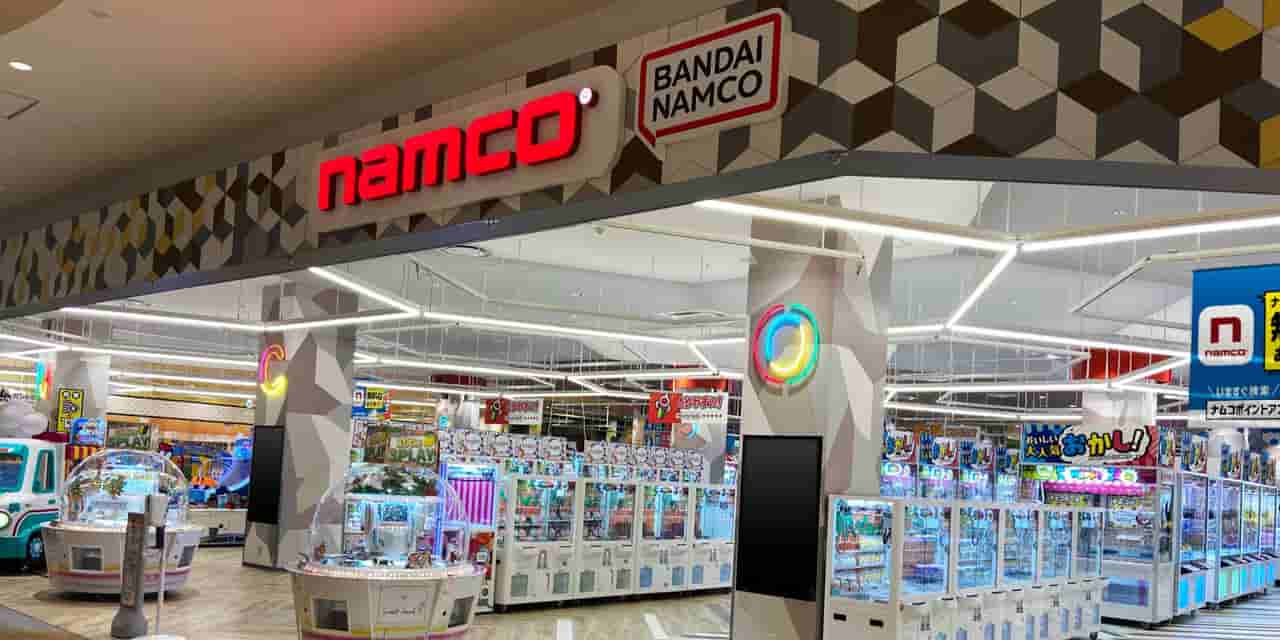
- Bandai Namco Holdings aims to increase its Japanese arcade locations by 50% by fiscal year 2031.
- The company's strategy relies on the popularity of 'crane games' to attract a diverse customer base.
- Crane games now represent over 60% of revenue in Japan's arcade industry.
- The arcade industry is celebrating the 60th anniversary of crane games in Japan.
- Crane games offer greater revenue efficiency than traditional arcade video games.
Bandai Namco Holdings intends to expand its Japanese arcade business by 50% by fiscal year 2031, a strategic move driven by the enduring popularity of 'crane games,' also known as claw machines or UFO Catchers. The company aims to attract a broader demographic, including anime enthusiasts, families, and international tourists, to its arcade facilities.
Crane games have become the cornerstone of Japan's arcade industry, now accounting for over 60% of total revenue, a significant increase from 20% in 1993. This year marks the 60th anniversary of these construction crane-inspired machines in Japan, though their origins trace back to before World War II. Their modern resurgence is largely attributed to innovations like Sega's 1985 'UFO Catcher' and the strategic inclusion of plush toys and licensed anime characters as prizes, tapping into Japan's strong fan culture, or 'oshikatsu.'
Industry experts note that crane games are crucial for the sector's survival, with operators, manufacturers, and prize suppliers depending on their revenue. Compared to traditional video games, which can tie up machines for extended periods, crane games offer a faster play cycle and continuous revenue generation. However, the arcade industry faces challenges, including rising operating costs and increased bankruptcies, particularly affecting smaller neighborhood venues. This has led to industry consolidation, with business concentrating in larger establishments.