HomeAll NewsEducationTV
Equities & FundsCrypto & Digital AssetsAI & TechnologyBusiness & CorporateUS Politics & PolicyGeopolitics & Global RiskMacro, Rates & FXCommodities & EnergyEuropean Politics & MarketsAsia-PacificReal Estate & Property
Story archiveAll categories
← All Stories

Automakers Cut Complexity Amidst Chinese Competition

Created at 26 Jul · 9:41 AM1 source↑ Market-relevant
IN SHORT

Automakers are streamlining operations by reducing model variety, simplifying vehicle designs, and sharing technology to cut costs. This strategy aims to compete with lower-cost Chinese rivals and offset billions in EV-related losses.

✉Newsletter

PiQ Daily

Pick your topics. Get only what matters, on your cadence.

Key Numbers

50%Volkswagen's planned reduction in global model lineup by 2030
75%Volkswagen's planned reduction in product complexity by 2030
2027Ford's planned launch of a $30,000 midsize electric pickup

Who's Involved

Sam Abuelsamid
Vice president of market research at Telemetry, commenting on manufacturing complexity
Kenta Kon
CEO of Toyota, concerned about rising costs from vehicle variants
Arno Antlitz
CFO of Volkswagen, stating the need to tackle complexity and reduce models
Seth Goldstein
Equity strategist at Morningstar, noting automakers copying Tesla and BYD's platform strategy
Automakers Cut Complexity Amidst Chinese Competition

↳ Why This Matters

This strategic shift by automakers aims to improve profitability and competitiveness in a rapidly evolving global market, particularly against aggressive Chinese manufacturers, while also navigating the significant financial demands of the transition to electric vehicles.

Key facts

  • Automakers are reducing the number of models and variants offered.
  • Companies are simplifying vehicle designs to use fewer parts.
  • Shared technology and production costs with partners are increasing.
  • Volkswagen aims to cut its model lineup by 50% and product complexity by 75% by 2030.
  • Ford is developing a Universal EV platform to simplify production.

Automakers are increasingly focused on reducing complexity and costs across their operations, a strategic shift driven by the rise of lower-cost Chinese competitors and the financial strain of electric vehicle development. This industry-wide 'decluttering' involves pruning overlapping models, simplifying vehicle architectures to use fewer parts, and increasing the sharing of technology and production expenses with partners.

Executives from major automotive companies have publicly acknowledged the issue. Volkswagen CFO Arno Antlitz stated the company has "too many models" and plans to reduce its global lineup by up to 50% and product complexity by as much as 75% by 2030. Toyota CEO Kenta Kon also highlighted that an increasing number of vehicle specifications and variants are driving up costs.

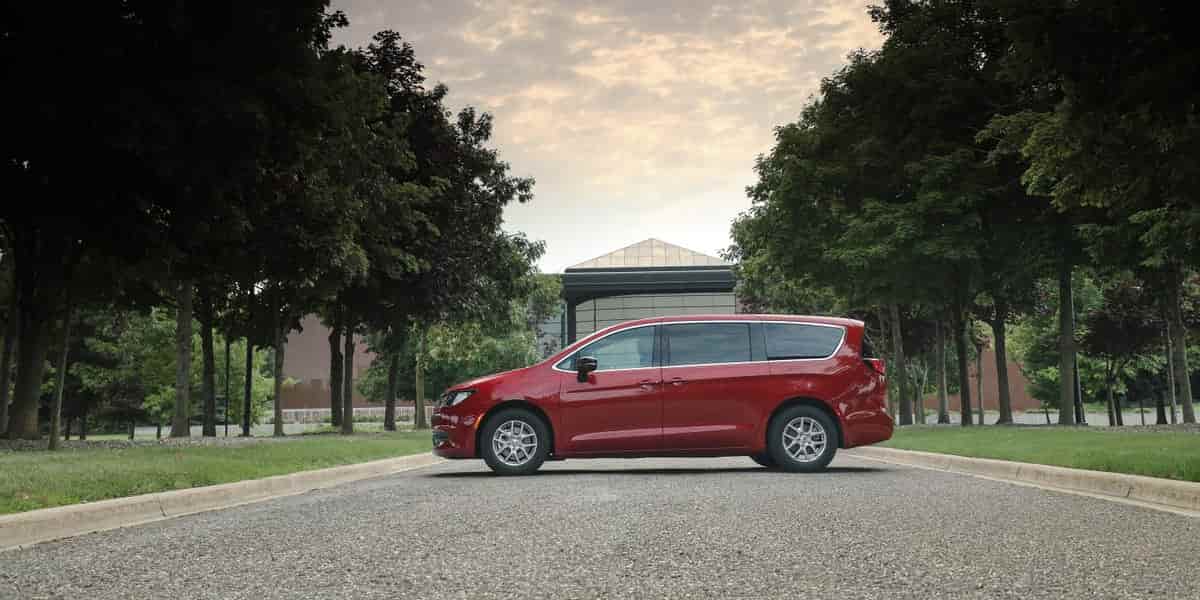
This strategy is manifesting in product decisions, such as Ford discontinuing the Escape while keeping the similar Bronco Sport, and Chrysler phasing out the Voyager in favor of the nearly identical Pacifica minivan. Beyond model reduction, companies are also redesigning vehicles to be built with fewer components. Ford's Universal EV platform, set to debut with a $30,000 electric pickup in 2027, is designed for reduced parts and manufacturing steps. Stellantis, Nissan, and Rivian are also developing modular systems and platforms aimed at lowering production costs through shared components across different vehicle types.

Frequently asked questions

Automakers are reducing model complexity to cut manufacturing, marketing, and engineering costs, and to compete more effectively with lower-cost Chinese rivals.

Volkswagen, Toyota, Ford, Chrysler, Stellantis, Nissan, and Rivian are all implementing strategies to reduce complexity and costs.

They are designing vehicles with fewer parts, using modular platforms, and sharing components across multiple models and vehicle types.

What Happens Next

01Volkswagen plans to reduce its global model lineup by 50% by 2030.
02Volkswagen aims to cut product complexity by 75% by 2030.
03Ford plans to launch a new electric pickup in 2027 based on its Universal EV platform.

Get the newsletter.

Pick the topics you actually care about. We'll email when there's news worth your time, on the cadence you choose. Cancel any time from your account.

Cadence

How It Developed

Automakers are reducing complexity to build vehicles more cheaply.
Volkswagen plans to cut its global model lineup by 50% by 2030.
Toyota CEO Kenta Kon cited increasing vehicle specifications and variants as driving up costs.
Ford discontinued the Escape, retaining the similar Bronco Sport.
Chrysler is discontinuing the Voyager, keeping the Pacifica minivan.
Companies are simplifying vehicle construction by using fewer parts.
Ford is developing a Universal EV platform to reduce parts and manufacturing steps.
Stellantis and Nissan are creating modular vehicle systems for component sharing.

Sources

T1
Automakers are entering their decluttering eraBusiness Insider

Related Stories

US Entrepreneurship Surges to Record Highs Driven by AI and Pandemic Shifts
25 Jul · 6:07 PM
Domo Sells AI Business for $400 Million, Remains Publicly Traded
25 Jul · 12:16 PM
Warner Bros. Discovery sues Amazon for allegedly poaching executives
25 Jul · 9:21 PM
Elon Musk's Boring Company reportedly seeking $4B funding at $20B valuation
25 Jul · 7:46 PM
Japanese restaurant operator Yamaya eyes India expansion
25 Jul · 10:22 AM