Key facts
- A semiconductor production cluster will be built in Gwangju, South Korea.
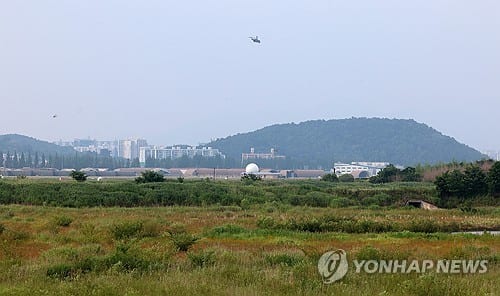
- A military airport in Gwangju has been selected as the site for the cluster.
- Samsung Electronics and SK hynix are involved in the semiconductor project.
- The investment in the semiconductor cluster is 800 trillion won.
- South Korea received over 200,000 foreign cruise ship visitors in May.
- Foreign cruise visitors increased by 13.4% from April to May.
- Foreign cruise visitors increased by 12.2% compared to the previous year.
- Chinese nationals were the largest group of foreign cruise visitors, at 45.1%.
South Korea is planning to establish a large-scale semiconductor production cluster in the city of Gwangju. The chosen location for this significant industrial development is a military airport within the city. The project is expected to attract a substantial investment totaling 800 trillion won, with major contributions anticipated from leading South Korean tech giants Samsung Electronics and SK hynix. This initiative aims to bolster the nation's semiconductor manufacturing capabilities.
In parallel economic developments, South Korea experienced a notable surge in foreign cruise ship arrivals during the month of May. The country recorded over 200,000 international cruise visitors for the month. This figure represents a 13.4% increase compared to April's numbers and a 12.2% rise when compared to the same period last year. Analysis of the visitor demographics indicates that Chinese nationals constituted the largest proportion of these arrivals, making up 45.1% of the total foreign cruise ship passengers.
The semiconductor cluster project signifies a strategic move by South Korea to further solidify its position in the global semiconductor market. By concentrating production facilities and fostering innovation in Gwangju, the government and participating companies aim to enhance technological competitiveness and ensure a stable supply chain for critical semiconductor components. The substantial investment underscores the long-term commitment to this sector.
The increase in cruise tourism highlights a recovery and growth in the hospitality and tourism sectors. The influx of visitors, particularly from China, suggests a renewed interest in South Korea as a travel destination and contributes to the local economy through spending on goods, services, and experiences.