Shein Scales Back Vietnam Operations Amid Shifting U.S. Trade Policies | PiQ Markets
3 storiesAsia-PacificChina trade data (exports, imports, surplus)China property market crisis (Evergrande, Country Garden)China stimulus measures (fiscal & monetary)
Shein Scales Back Vietnam Operations Amid Shifting U.S. Trade Policies
window 24h
IN SHORT
Shein is scaling back its Vietnam operations, reducing warehouse presence a year after establishing a large export base. This decision is attributed to shifting U.S. trade policies, including the end of de minimis duty exemptions and increased tariffs on Chinese goods, which have eroded Vietnam's cost advantage. Meanwhile, Germany's trade deficit with China has widened to approximately €55 billion in the first half of 2026, as German exports to China fell over 12% while imports rose, indicating China's growing technological independence. Separately, Vietnam's economy faces strain from a significant number of its citizens seeking employment abroad, leading to labor shortages and impacting domestic industries.
✉Newsletter
PiQ Daily
Pick your topics. Get only what matters, on your cadence.
Key Numbers
€55 billionGermany's trade deficit with China in H1 2026
12%German exports to China fell in H1 2026
Who's Involved
Shein
Ultra-fast fashion retailer scaling back Vietnam operations
U.S.
Country implementing trade policy changes affecting Vietnam
Germany
Country with widening trade deficit with China
China
Country experiencing increased imports from and decreased exports to Germany
Vietnam
Country facing economic strain from worker exodus and reduced manufacturing advantage
Key facts
Shein is significantly reducing its warehouse operations in Vietnam.
Shein established a large export base in Vietnam a year ago.
Shifting U.S. trade policies are impacting Shein's operations in Vietnam.
De minimis duty exemptions have ended.
Tariffs on Chinese goods have increased.
Germany's trade deficit with China widened to approximately €55 billion in the first half of 2026.
German exports to China fell over 12% in the first half of 2026.
Imports from China rose significantly for Germany in the first half of 2026.
Vietnam's economy faces strain from citizens seeking employment abroad.
Labor shortages are occurring in Vietnam due to outward migration.
Domestic industries in Vietnam are being impacted by labor shortages.
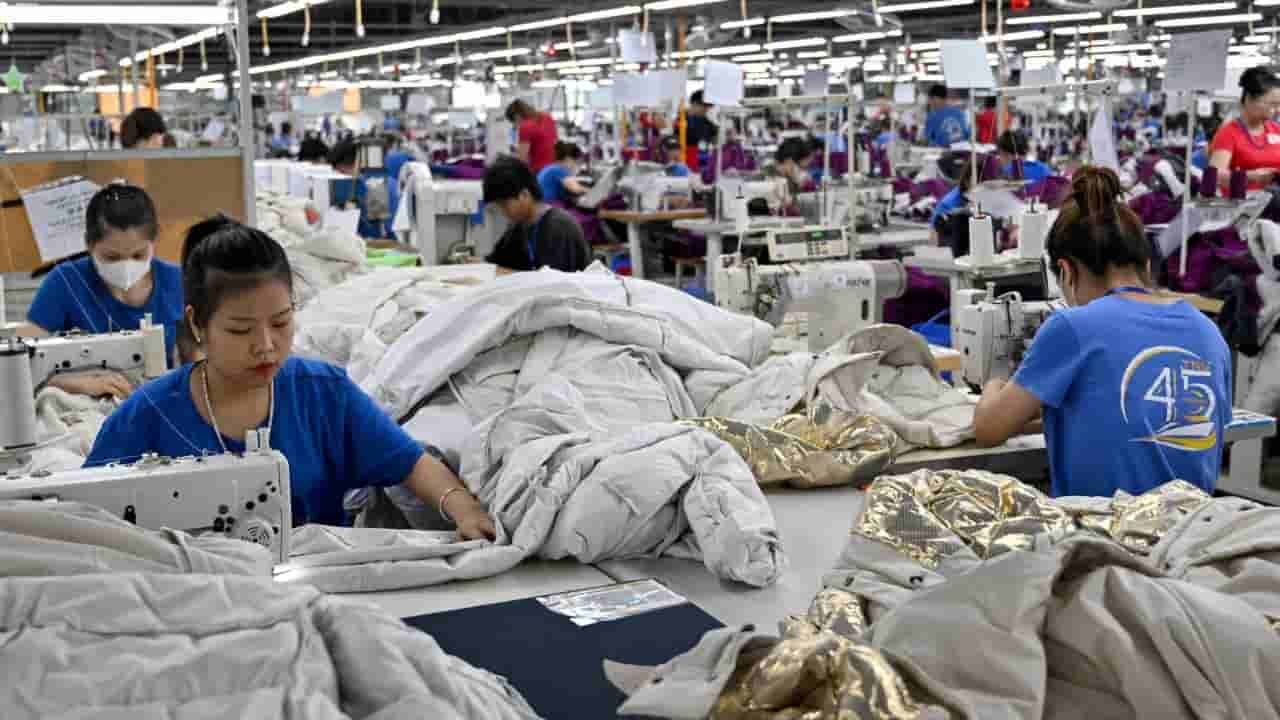
Ultra-fast fashion retailer Shein is significantly reducing its warehouse operations in Vietnam, a year after establishing a large export base there. This strategic shift follows changes in U.S. trade policies, specifically the end of de minimis duty exemptions and increased tariffs on Chinese goods. These policy changes have diminished the cost advantage previously associated with manufacturing and exporting from Vietnam.
In parallel, Germany's trade deficit with China has expanded to approximately €55 billion in the first half of 2026. This widening gap is a result of German exports to China falling by over 12%, while imports from China saw a significant increase. This trend suggests China's growing technological independence and reduced reliance on European goods.
Furthermore, Vietnam's economy is experiencing strain due to a significant exodus of its citizens seeking employment overseas. This outward migration is leading to labor shortages within Vietnam and negatively impacting various domestic industries. The trend underscores challenges in retaining skilled labor and managing the broader economic consequences of this migration pattern.
↳ Why This Matters
Ultra-fast fashion retailer Shein is significantly reducing its warehouse operations in Vietnam, a year after establishing a large export base there. This strategic shift follows changes in U.S. trade policies, specifically the end of de minimis duty exemptions and increased tariffs on Chinese goods. These policy changes have diminished the cost advantage previously associated with manufacturing and exporting from Vietnam.
Frequently asked questions
Shein is scaling back in Vietnam due to changes in U.S. trade policies, including the end of de minimis duty exemptions and increased tariffs on Chinese goods, which have reduced the cost advantage of manufacturing there. Additionally, finding Vietnamese workers for low wages and long hours has proven difficult for suppliers.
The abolition of the U.S. de minimis duty-free exemption for shipments under $800 and the subsequent rise in tariffs on Chinese goods significantly diminished the cost benefits Shein sought by moving production to Vietnam.
Shein's Chinese suppliers offer unparalleled speed, flexibility, and the ability to produce millions of styles in small batches at very low margins, fulfilling orders within days. This efficiency is crucial for Shein's business model.
Shein is recommitting to its manufacturing base in southern China, investing over 10 billion yuan in a smart supply-chain system in the Guangdong province.
What Happens Next
01Shein is expected to continue investing in its supply chain in China's Guangdong province.
02Further demand slowdown is anticipated following the EU's imposition of duties on low-value e-commerce imports.
Get the newsletter.
Pick the topics you actually care about. We'll email when there's news worth your time, on the cadence you choose. Cancel any time from your account.