Key facts
- The Philippines aims to become a significant arms exporter.
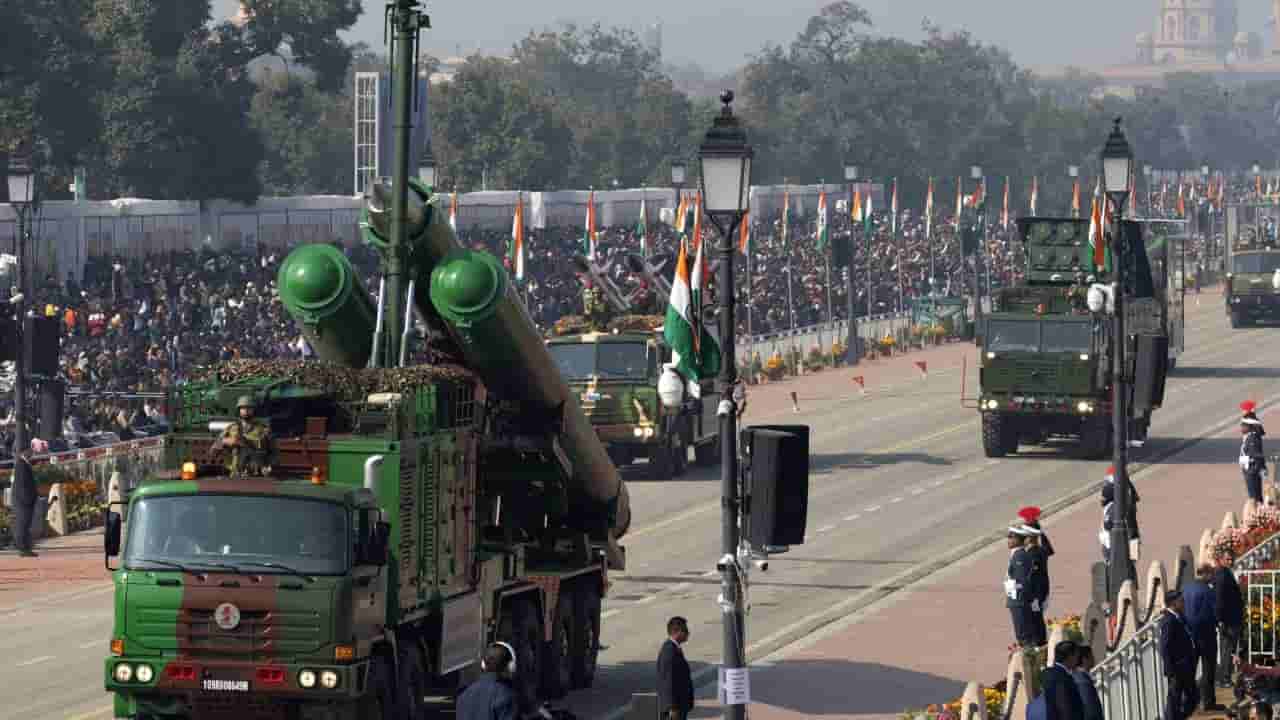
- The country is looking to India's success as a model.
- Challenges include production capacity limitations.
- Technological advancement is needed for the defense industry.
- Market access is a significant hurdle for potential exports.
The Philippines is actively seeking to establish itself as a notable arms exporter, a strategic ambition that mirrors the trajectory of India's own defense industry growth. This aspiration involves developing and marketing its own defense products to international buyers. However, the path to becoming a significant player in the global arms market is fraught with challenges.
Foremost among these hurdles are limitations in the Philippines' current production capacity. Expanding manufacturing capabilities to meet potential international demand will require substantial investment and infrastructure development. Furthermore, the nation's defense industry needs significant technological advancement to produce competitive and sophisticated weaponry. This includes research and development, as well as the adoption of modern manufacturing techniques.
Market access presents another critical challenge. Identifying and securing buyers in a competitive global market, which is often influenced by geopolitical relationships and existing supply chains, will be difficult. The Philippines will need to overcome established players and demonstrate the value and reliability of its offerings.
These combined factors—production capacity, technological readiness, and market penetration—pose significant obstacles to the Philippines' arms export ambitions. Overcoming them will require a concerted effort involving government policy, private sector investment, and international cooperation.