Key facts
- Indonesia's constitutional court ruled that education funds cannot finance the free meals program from 2028.
- The ruling requires a separate budget allocation for Indonesia's free meals program.
- Logistical challenges and budget concerns influenced the Indonesian court's decision.
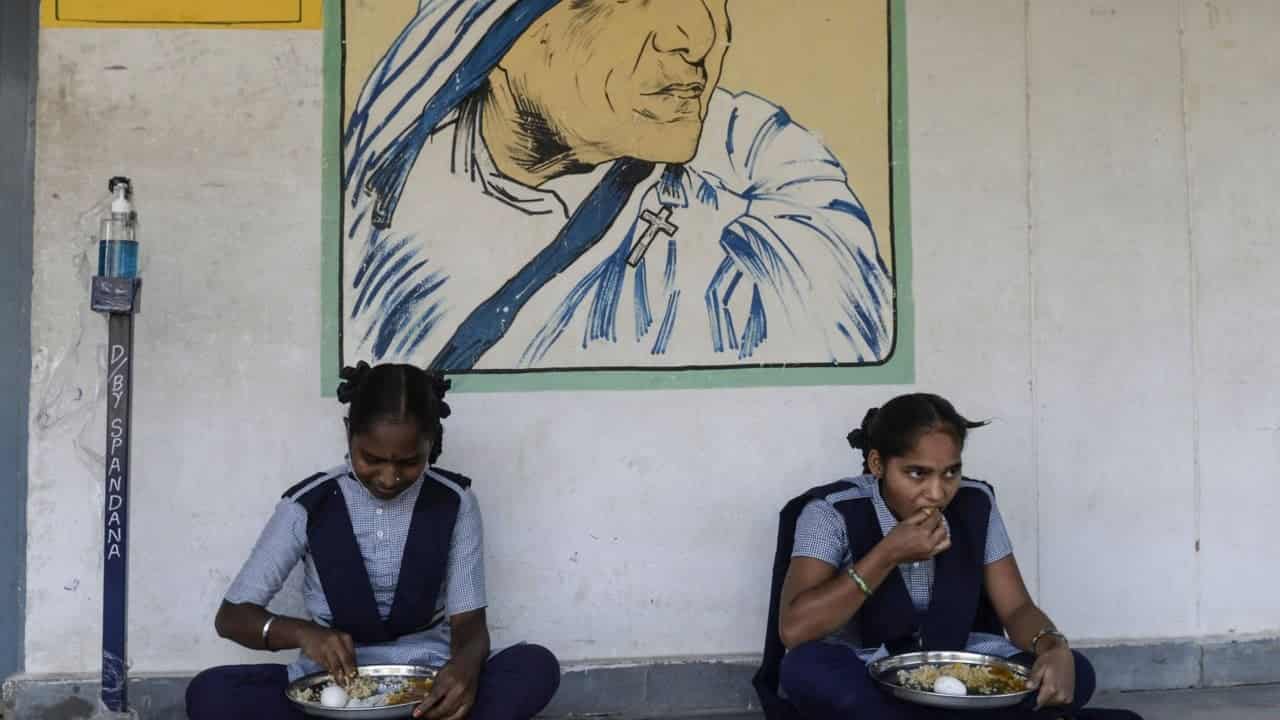
- West Bengal, India, will provide eggs in school meals.
- The decision in West Bengal follows public outcry over the exclusion of eggs.
- Eggs are being added to school meals in West Bengal to improve nutritional value.
Indonesia's constitutional court has issued a ruling that prohibits the use of education budget funds for the nation's free meals program, effective from 2028. The court's decision mandates that a separate budget allocation must be established for the program. This move is intended to address existing logistical challenges and budget concerns that have been associated with the free meals initiative. The ruling signifies a shift in how the program will be financed moving forward, requiring dedicated resources outside of the education sector's budget.
In a separate development concerning school nutrition, the Indian state of West Bengal has announced it will begin providing eggs in its school meals. This decision comes in response to public outcry over the initial exclusion of eggs, a food item rich in protein. The inclusion of eggs is aimed at significantly improving the nutritional content of the meals served to students across the state. This action by West Bengal highlights a focus on enhancing the dietary intake of schoolchildren through readily available and nutritious food sources.