Key facts
- China's economy showed signs of slowing in early H2.
- China's industrial output and retail sales missed forecasts in July.
- China's retail sales grew 0.6% year-on-year in July.
- China's industrial output rose 4.5% in July.
- Extreme weather contributed to weaker economic performance in China.
- China's new home prices fell 0.1% month-on-month in July.
- China's new home prices were down 3.2% annually in July.
- Premier Li Qiang called for efforts to stabilize external demand.
- China's crude oil imports jumped 22% in July.
- Thailand's economy grew 1.9% year-on-year in Q2.
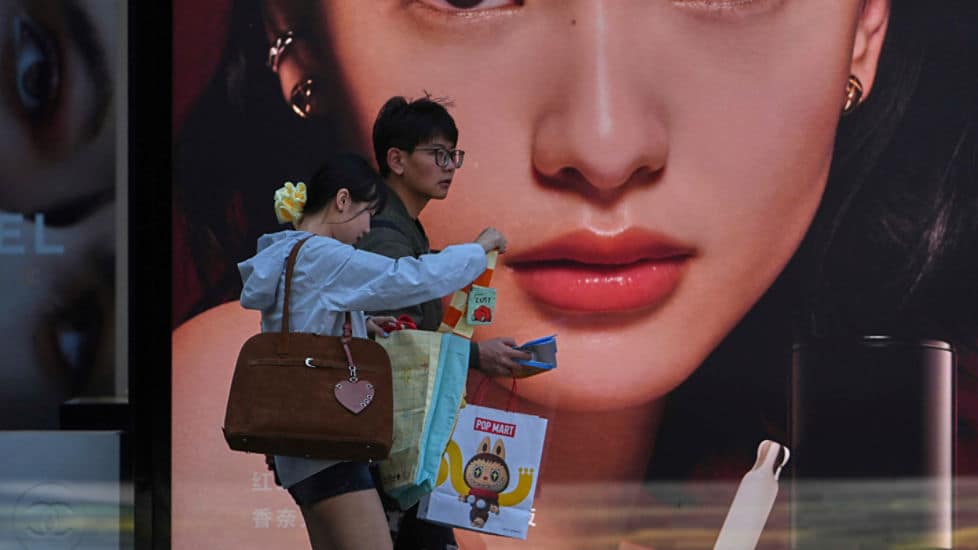
China's economy exhibited signs of a slowdown in early the second half of the year, with key indicators for July falling short of expectations. Retail sales experienced a year-on-year growth of 0.6%, a notable deceleration from June and below analyst forecasts. Similarly, industrial output rose by 4.5%, also decelerating and failing to meet expectations, underscoring challenges in stimulating domestic demand. Extreme weather conditions were cited as a contributing factor to the weaker performance, adding pressure on Beijing to consider further stimulus measures.
The property market also reflected ongoing difficulties, with new home prices declining by 0.1% month-on-month in July, mirroring the trend from June. On an annual basis, new home prices were down 3.2%, with only 17 out of 70 surveyed cities reporting price increases, indicating a continued adjustment within the housing sector. China's Premier Li Qiang acknowledged these economic headwinds, specifically mentioning insufficient domestic demand and increasing external risks. He called for concerted efforts to stabilize external demand and broaden international trade cooperation.
Despite the overall slowdown, crude oil imports into China saw a significant jump of 22% in July. This contrasts with the broader economic picture, which shows subdued momentum across consumption and output. The economic data highlights the challenges Beijing faces in reviving domestic demand and navigating external uncertainties. The situation puts increased pressure on the government to implement effective stimulus policies to support growth.
In a separate development, Thailand's economy expanded 1.9% year-on-year in the April-June quarter, a slowdown from 2.8% in the previous quarter. This deceleration was attributed to higher energy prices affecting consumption and disruptions to the travel sector, partly influenced by the Middle East conflict.