Key facts
- China's factory activity contracted in July.
- China's official manufacturing PMI fell to 49.2 in July.
- The PMI decline in China was driven by shrinking new orders and weak domestic demand.
- China's Q2 economic growth slowed to 4.3%.
- China's leaders pledged incremental policies and accelerated fiscal spending.
- Japan's industrial production rose 1.3% in June.
- Japan's June industrial production surpassed the forecast of 0.7% growth.
- South Korea's industrial output increased by 2.3% in June.
- South Korea's June industrial output growth was driven by the automobile sector.
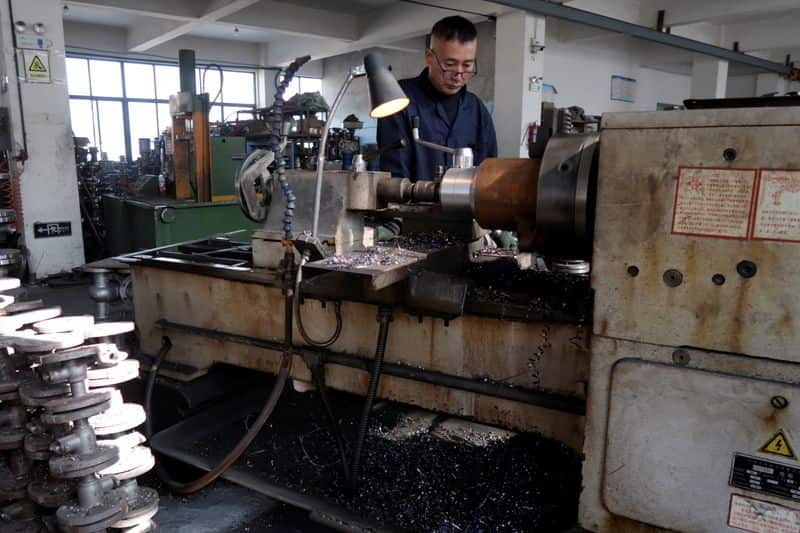
China's manufacturing sector experienced an unexpected contraction in July, with the official Purchasing Managers' Index (PMI) dropping to 49.2. This figure represents a five-month low and indicates a downturn driven by declining new orders and weak domestic demand. The contraction signals growing concerns about the trajectory of China's economic growth in the latter half of the year. In response to these economic challenges, China's top leaders have pledged to implement incremental policies and accelerate fiscal spending to stimulate growth during the second half. The Politburo acknowledged the economic difficulties but indicated that broad stimulus measures might be constrained by existing issues of overcapacity and deflationary pressures. This cautious approach suggests a focus on targeted support rather than a widespread economic injection.
In contrast to China's manufacturing slowdown, other major Asian economies reported positive industrial output figures for June. Japan's industrial production saw a notable increase of 1.3% compared to May, surpassing the median market forecast of a 0.7% rise. Japanese manufacturers expressed optimism, anticipating continued growth through July and August. South Korea also reported a significant rise in industrial output, with a 2.3% increase in June compared to the previous month. This growth was primarily driven by a strong performance in the automobile sector, with additional gains observed in retail sales and facility investment during the same period.
The contrasting economic data from China, Japan, and South Korea highlight varied regional economic performance. China's contraction in factory activity, attributed to weak demand, contrasts with the expansionary trends seen in Japan and South Korea's industrial sectors. The Chinese leadership's measured response to its economic slowdown, balancing the need for stimulus with concerns over overcapacity and deflation, will be a key factor to watch. The positive outlook from Japanese manufacturers and the robust performance in South Korea's key sectors suggest resilience in parts of the Asian economic landscape, even as China grapples with internal demand issues.