Key facts
- China's car sales dropped 21.1% in July.
- China's car sales have declined for 10 consecutive months.
- China's car exports surged 88.2%.
- South Korea's exports increased 45.3% in the first 10 days of August.
- South Korea's exports reached $21.3 billion in early August.
- South Korea's semiconductor exports rose 155.4%.
- Foreign investors divested from Asian equities for the ninth straight month in July.
- Taiwan and South Korea saw significant equity outflows in July.
- Concerns over AI spending and chip demand influenced Asian equity outflows.
- China's aviation regulator is increasing safety communication with foreign airlines.
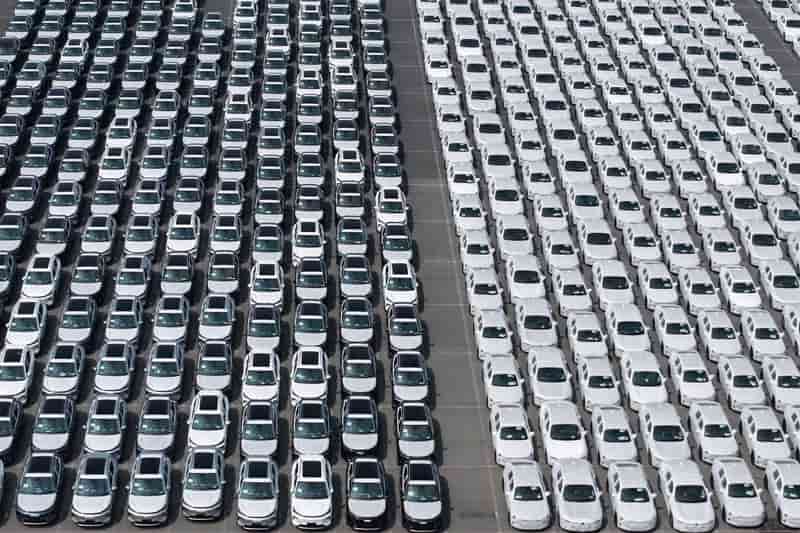
China's automotive sector experienced its tenth consecutive month of declining domestic sales in July, with a 21.1% drop. This downturn is attributed to intense domestic competition and weak consumer spending. However, Chinese automakers are increasingly focusing on international markets, as evidenced by an 88.2% surge in exports, signaling a strategic shift towards overseas growth.
In contrast, South Korea reported a substantial 45.3% year-on-year increase in exports during the first 10 days of August, totaling $21.3 billion. This robust performance was largely propelled by a remarkable 155.4% surge in semiconductor exports, reflecting strong global demand for these critical components. Despite this export strength, Asian equity markets faced headwinds in July. Foreign investors withdrew capital for the ninth consecutive month, with Taiwan and South Korea experiencing significant divestments. These outflows were reportedly driven by concerns over artificial intelligence spending and the future demand for chips. Negative cash flows reported by tech giants like Alphabet and Tesla further amplified these investor anxieties.
Amidst these economic developments, China's aviation regulator is taking steps to bolster flight safety by enhancing communication with foreign airlines. This initiative aims to facilitate better information exchange and ensure adherence to international safety standards. The move comes as global travel continues to recover and as China seeks to maintain its position in international aviation.