Key facts
- Hiroshi Okuda, former Toyota Motor president, has passed away.
- Okuda was credited with globalizing Toyota and developing hybrid technology.
- The Toyoda family has maintained strong influence over Toyota's leadership.
- Daisuke Toyoda, son of Akio Toyoda, is considered the next generation of leadership.
- The number of superyachts in the Asia-Pacific region rose to 586 in 2025.
- China's authorities intervened in the stock market in July to foster a 'long bull' market.
- The Philippines aims to reduce methane emissions from rice paddies by 30% by 2030.
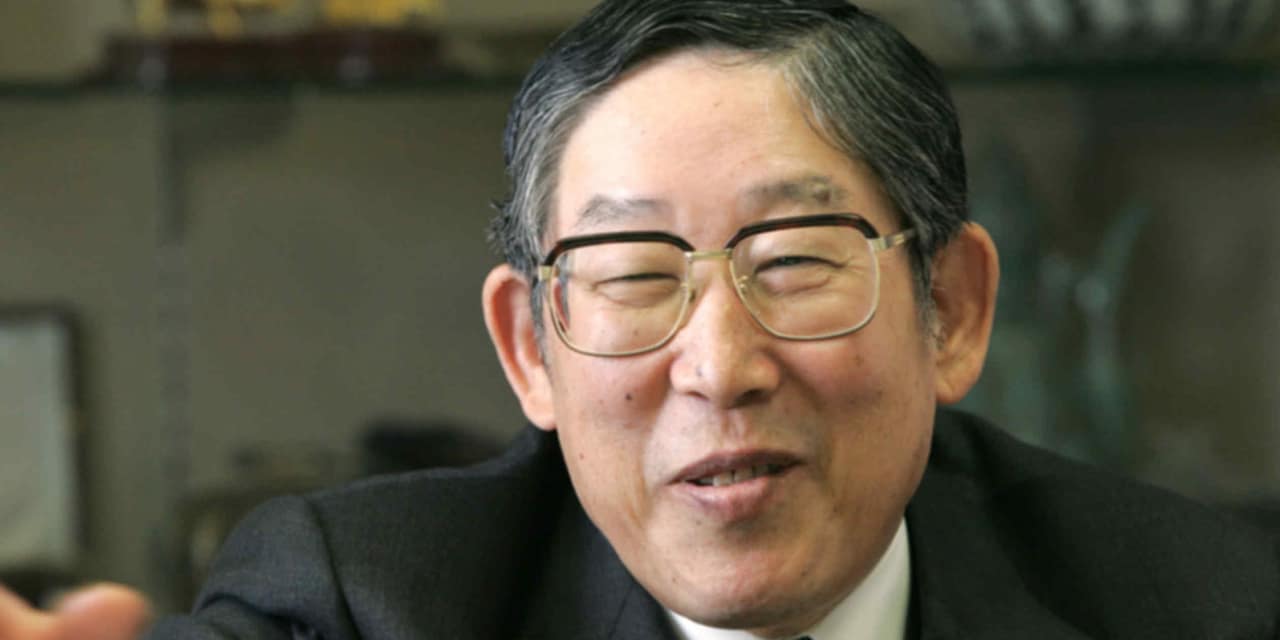
Hiroshi Okuda, the former president of Toyota Motor who was instrumental in the automaker's global expansion and the development of its hybrid technology, has passed away. Okuda became president in 1995, marking the first time in 28 years that a leader from outside the founding Toyoda family held the position. His tenure laid the groundwork for Toyota's international production network and championed the commercialization of hybrid technology, leading to the success of the Prius.
Toyota's governance model has seen periods of both non-family executive leadership and strong influence from the founding family. Following Okuda's presidency, the company returned to family leadership in 2009 with Akio Toyoda, the founder's grandson, taking the helm. Akio Toyoda led the company for over 13 years, strengthening its position as a leading global automaker. Currently, day-to-day management is again entrusted to non-family executives, with Koji Sato serving as president since 2023, and Kenta Kon recently succeeding him.
Speculation is growing within the industry about Toyota and the Toyoda family's succession plan, with Daisuke Toyoda, Akio's eldest son, seen as the likely next generation of leadership. This ongoing dynamic highlights a corporate governance approach that allows for a long-term vision, contrasting with Western emphasis on short-term performance.
In other news, the number of superyachts active in the Asia-Pacific region has increased significantly, reaching 586 in 2025 from 445 in 2023. Industry players attribute this rise partly to rising geopolitical risks and higher insurance costs in the Middle East, driving interest towards the perceived safer waters of Southeast Asia, with Singapore and Thailand emerging as key waypoints.
Meanwhile, China's authorities have been implementing massive stock-buying interventions since July, aiming for a sustained 'long bull' market. This approach differs from previous interventions by focusing on specific sectors and coinciding with significant listings, such as that of CXMT. However, the challenge of managing market volatility is expected to intensify as more tech companies prepare to go public on the mainland.
Additionally, the Philippines is focusing on reducing methane emissions from its rice paddies, a primary source of the gas, with a target of a 30% reduction by 2030. Scientists have developed methods to suppress methane release, but persuading farmers to adopt these practices remains a challenge due to concerns about potential negative consequences.