Key facts
- Thailand's auto parts sector faces a four-year adjustment period due to Chinese EV competition.
Thailand's largest auto parts supplier warns that local companies and Japanese automakers have four years to adapt to intense competition from Chinese EV manufacturers. The CEO urges collaboration with Chinese brands to survive the ongoing price war.
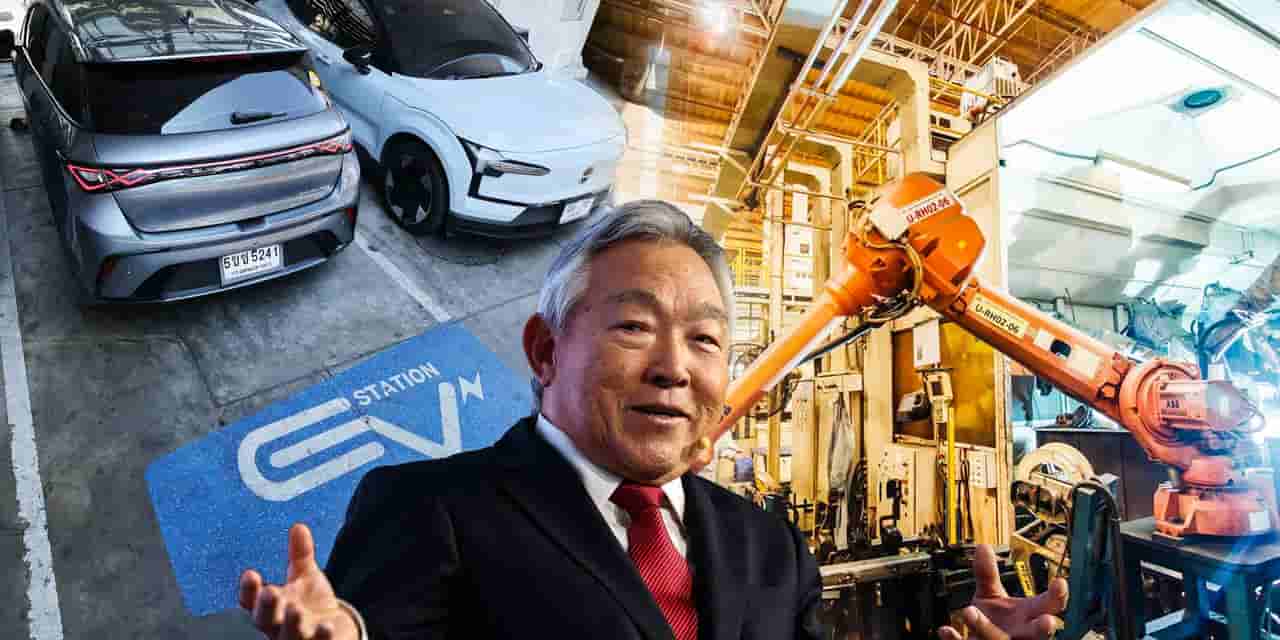
Thailand's automotive sector, a key pillar of its economy, is at a critical juncture, facing disruption from Chinese EV manufacturers. The warning highlights the urgent need for local companies and established foreign players to adapt their strategies, form new partnerships, or risk significant decline in a rapidly evolving market.
Thailand's automotive industry is facing a significant challenge from the influx of Chinese electric vehicles (EVs), with local suppliers and established Japanese automakers needing to adapt within the next four years. Yeap Swee Chuan, CEO of Aapico, the country's largest listed auto parts supplier, warned that Chinese brands are poised to dominate the market and urged collaboration with them to survive.
Chinese EV manufacturers like BYD and Changan Automobile are intensifying competition through zero-tariff imports, sparking a price war. While Thai Summit, a leading private auto parts manufacturer, has successfully secured contracts with these Chinese brands, many other Thai component makers are struggling to obtain orders as Chinese companies increasingly source parts directly from China. This situation is further exacerbated by Japanese automakers, such as Honda, reducing production or closing factories in Thailand, putting additional pressure on the local industry.
The shift to EVs and the aggressive market entry of Chinese players are reshaping the Asian automotive landscape, forcing traditional players to re-evaluate their strategies and partnerships to remain competitive.