South Korea announced on August 13, 2026, that it will ease a range of regulations, including administrative procedures, to facilitate the progress of three major national projects centered on semiconductors and artificial intelligence (AI) facilities. Finance Minister Koo Yun-cheol unveiled the plan during a meeting with economy-related ministers, with the government projecting that these measures will stimulate a total of 4.2 trillion won (US$2.96 billion) in investment.
The government stated that the deregulation is intended to promptly address on-the-ground investment challenges, particularly for projects that are ready to proceed but have been hindered by regulatory obstacles. The aim is to ensure the smooth implementation of these megaprojects, which are designed to transform the nation's economy through significant investments in semiconductor manufacturing, physical AI infrastructure, and AI data centers.
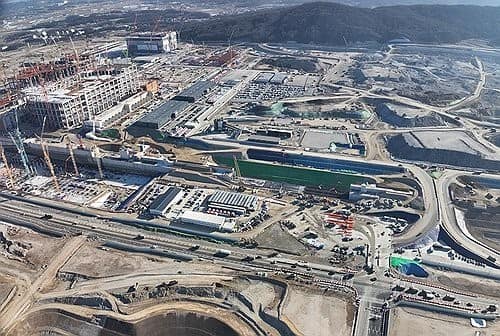
Specific regulatory adjustments include revising building permit requirements. Currently, companies must revise existing permits when adding new structures to ongoing projects. The government will now allow companies to obtain separate permits for new buildings at the semiconductor cluster under construction in Yongin, south of Seoul. This change is expected to unlock 2.5 trillion won in investment and pave the way for the project's early implementation.
Furthermore, the government will permit battery recycling firms to operate within national industrial parks in the southeastern cities of Gumi and Pohang. Previously, these complexes were restricted to manufacturing companies related to the secondary battery industry. This expansion is anticipated to attract 100 billion won in business investment.