Key facts
- South Korea's revised Information and Communications Network Act requires major online platforms to remove false and manipulated information.
- The U.S. State Department expressed concern that the law could lead to excessive content regulation and undermine free speech.
- South Korea's foreign ministry asserts the act is non-discriminatory towards domestic and foreign firms.
- The ministry plans to maintain communication with the U.S. regarding the legislation's implementation.
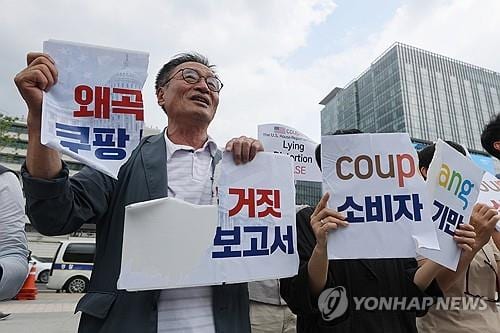
- The issue of regulatory probes into Coupang Inc. has also raised concerns about potential impacts on U.S.-South Korea relations.
South Korea's foreign ministry has asserted that a recently revised Information and Communications Network Act does not contain discriminatory provisions against foreign companies. The legislation, which took effect Tuesday, mandates major online platform operators, including domestic giants Naver and Kakao, as well as international players like Google, Meta, and X, to remove or block false and manipulated information.
The U.S. State Department had previously called on Seoul to avoid imposing "disproportionate" burdens on American firms under the revised law, warning that its implementation could lead to excessive content regulation and potentially undermine free speech.
The ministry clarified that the amendment was introduced to address societal harms stemming from changes in the digital environment and to enhance user protection. It emphasized that the law respects constitutional guarantees of freedom of expression and does not discriminate between domestic and foreign firms.
Seoul has been actively explaining the purpose and details of the legislation to the U.S. and other key stakeholders, and intends to maintain ongoing communication throughout the implementation process. Sources indicate that the issue may be a topic of discussion during high-level talks between South Korea and the U.S. scheduled for later this month in the Philippines, on the sidelines of the ASEAN Regional Forum.
This development occurs amidst existing tensions surrounding e-commerce firm Coupang Inc. A recent report from a U.S. House Judiciary Committee and a White House official criticized South Korea's regulatory investigations into Coupang's data leak as discriminatory towards U.S. companies. The South Korean government has refuted these claims, stating that its actions concerning Coupang have been fair and non-discriminatory. Coupang is under public and regulatory scrutiny following a significant data leak believed to have impacted over 33 million users in South Korea.