Key facts
- South Korea's monthly exports in July increased by nearly 63% year-on-year.
- Total outbound shipments reached $98.89 billion, the second-highest on record.
- Semiconductor exports alone jumped 179% to $41 billion.
- The country recorded a trade surplus of $30.32 billion in July.
- Exports to China and the U.S. saw significant increases of nearly 100% and 68.7%, respectively.
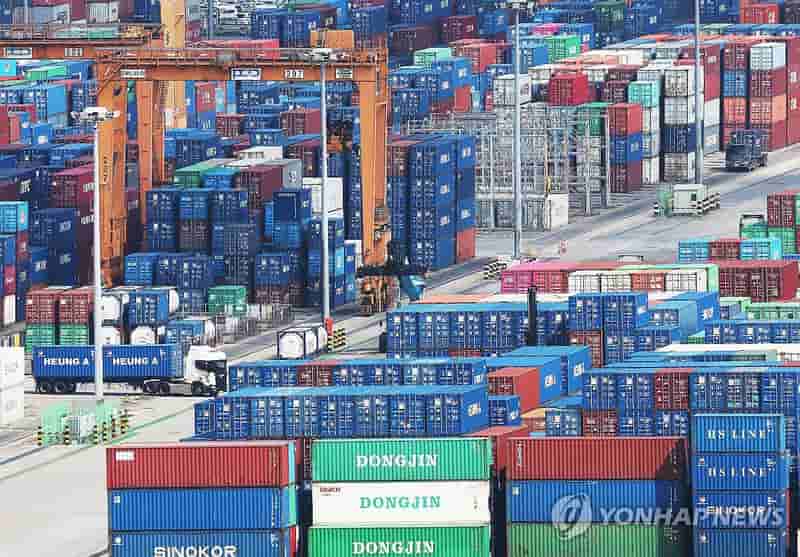
South Korea's monthly exports reached their second-highest level ever in July, surging by nearly 63% compared to the previous year, primarily driven by strong demand for semiconductors. Outbound shipments totaled $98.89 billion, slightly below the all-time high of $102.2 billion recorded in June. Imports rose 26.5% year-on-year to $68.56 billion, resulting in a substantial trade surplus of $30.32 billion.
The semiconductor sector, a critical component of the South Korean economy, saw its exports skyrocket by 179% to $41 billion, maintaining a figure above $40 billion for two consecutive months due to high global memory chip prices. Excluding semiconductors, total exports still grew by a healthy 26%.
Other key export categories also showed significant gains. Automobile exports increased by 7% to $6.2 billion, fueled by demand for eco-friendly models. Petroleum products jumped 34.1% to $5.68 billion, and petrochemical products rose 10.3% to $4.18 billion. Mobile device exports climbed 51% to $1.81 billion, supported by strong sales of premium smartphones.
Geographically, exports to China nearly doubled to $21.68 billion, boosted by chips, nonferrous metals, and petroleum goods. Shipments to the United States surged 68.7% to $17.4 billion, attributed to AI data center investments. Exports to Southeast Asian countries increased by 73.7% to $18.8 billion, and to the European Union by 55.7% to $9.38 billion.
Industry Minister Kim Jung-kwan highlighted that 19 out of the country's 20 major export categories experienced growth, indicating a diversified export portfolio. However, he also cautioned about headwinds from increasing protectionism and geopolitical uncertainties, pledging government support to navigate global trade challenges.