All NewsEducationTV
Equities & FundsCrypto & Digital AssetsAI & TechnologyBusiness & CorporateUS Politics & PolicyGeopolitics & Global RiskMacro, Rates & FXCommodities & EnergyEuropean Politics & MarketsAsia-PacificReal Estate & Property
Story archiveAll categories
← All Stories

South Korea Proposes Higher Taxes on Wealthy Homeowners

Created at 3 Aug · 9:04 AM2 sources↑ Market-relevant2 events
IN SHORT

South Korea has proposed tax code revisions to increase property taxes on owners of high-value homes, aiming for a more 'reasonable' tax system and potentially stabilizing the housing market. The changes include shifting the comprehensive real estate holding tax from a home count to a value-based system.

✉Newsletter

PiQ Daily

Pick your topics. Get only what matters, on your cadence.

Key Numbers

3.44 trillion wonadditional tax revenue projected from 2027-2031
1.4 billion wonraised threshold for comprehensive real estate holding tax for single-home owner
2 billion wonmarket value threshold for tax exemption for single-home owners
900 million wonlowered basic deduction for single-home owners not living in property
2028year for unified tax rate regardless of home count
2029year for capital gains tax deduction to be based solely on residency period
1 billion woncapped capital gains tax deduction from 2029
25 million wonraised basic capital gains tax deduction for homes below 3 billion won
6 million wonceiling for tax credit for single-home owners from 2028
3year phase-out period for tax benefits for small companies
September 3submission deadline for tax code proposals to National Assembly

Who's Involved

Koo Yun-cheol
South Korean Finance Minister
Jo Man-hee
Senior official of tax affairs at the finance ministry
South Korea Proposes Higher Taxes on Wealthy Homeowners

↳ Why This Matters

The proposed tax revisions aim to address wealth inequality and potentially cool South Korea's overheated property market by increasing the tax burden on wealthy homeowners, while also offering incentives for domestic production in key industries.

Key facts

  • South Korea proposed tax code revisions to increase property taxes on owners of high-value homes.
  • The comprehensive real estate holding tax will shift from a home count-based system to one based on total home value.
  • The threshold for the comprehensive real estate holding tax will be raised for single-home owners who live in the property.
  • Capital gains tax deductions for long-term home ownership will be capped and their basis shifted to residency period.
  • The proposals are expected to generate an additional 3.44 trillion won in tax revenue from 2027-2031.
  • The tax code proposals will be submitted to the National Assembly by September 3.

South Korea has proposed significant revisions to its tax code, primarily targeting owners of high-value homes with the aim of creating a more 'reasonable' property tax system. The changes, which require approval from the National Assembly and the Cabinet, are intended to shift the tax burden towards those with multiple or expensive properties.

Key among the proposals is the revamp of the comprehensive real estate holding tax system. Currently based on the number of homes owned, it will transition to a system that considers the total market value of properties. Starting in 2028, the tax rate will be unified at 0.5 percent to 5 percent, regardless of whether an owner possesses one, two, or three or more homes. The threshold for this tax will be raised to 1.4 billion won for single-home owners who reside in their property, effectively exempting homes valued up to approximately 2 billion won. However, for single-home owners who do not live in their property, the basic deduction will decrease from 1.2 billion won to 900 million won.

Further adjustments include changes to capital gains tax deductions for long-term home ownership. Starting in 2028, these deductions will be capped at 2 billion won and further reduced to 1 billion won from 2029, with the basis shifting solely to the homeowner's period of residence. For homeowners of properties valued below 3 billion won and owned for at least 10 years, the basic capital gains tax deduction will see a tenfold increase to 25 million won. Temporary measures are also proposed to lower capital gains taxes for elderly homeowners selling homes in the greater Seoul area and purchasing new ones outside the region.

While a finance ministry official stated the revisions are not directly intended to stabilize housing prices, it is believed they could encourage owners of multiple homes to list more properties, potentially having a stabilizing effect on the market. Beyond property taxes, the revision includes new tax incentives for domestic production in strategic sectors like solar energy, semiconductors, and AI robots, and reorganizes tax benefits for start-ups. The government anticipates these changes will generate an additional 3.44 trillion won in tax revenue between 2027 and 2031.

Frequently asked questions

The main goal is to establish a more 'reasonable' property tax system by increasing the tax burden on owners of high-value homes and potentially stabilizing the housing market.

It will shift from being based on the number of homes owned to being based on the total market value of properties owned.

The threshold will be raised to 1.4 billion won for single-home owners who live in the property, exempting homes valued up to about 2 billion won.

The government aims to submit the proposals to the National Assembly by September 3.

What Happens Next

01Tax code proposals to undergo Cabinet review on September 1.
02Government to submit tax code proposals to the National Assembly by September 3.

Get the newsletter.

Pick the topics you actually care about. We'll email when there's news worth your time, on the cadence you choose. Cancel any time from your account.

Cadence

How It Developed

South Korea proposed property tax adjustments to stabilize the housing market by taxing wealthy homeowners more.
South Korea unveiled tax code revisions to reduce tax benefits for owners of high-value homes and support domestic production.
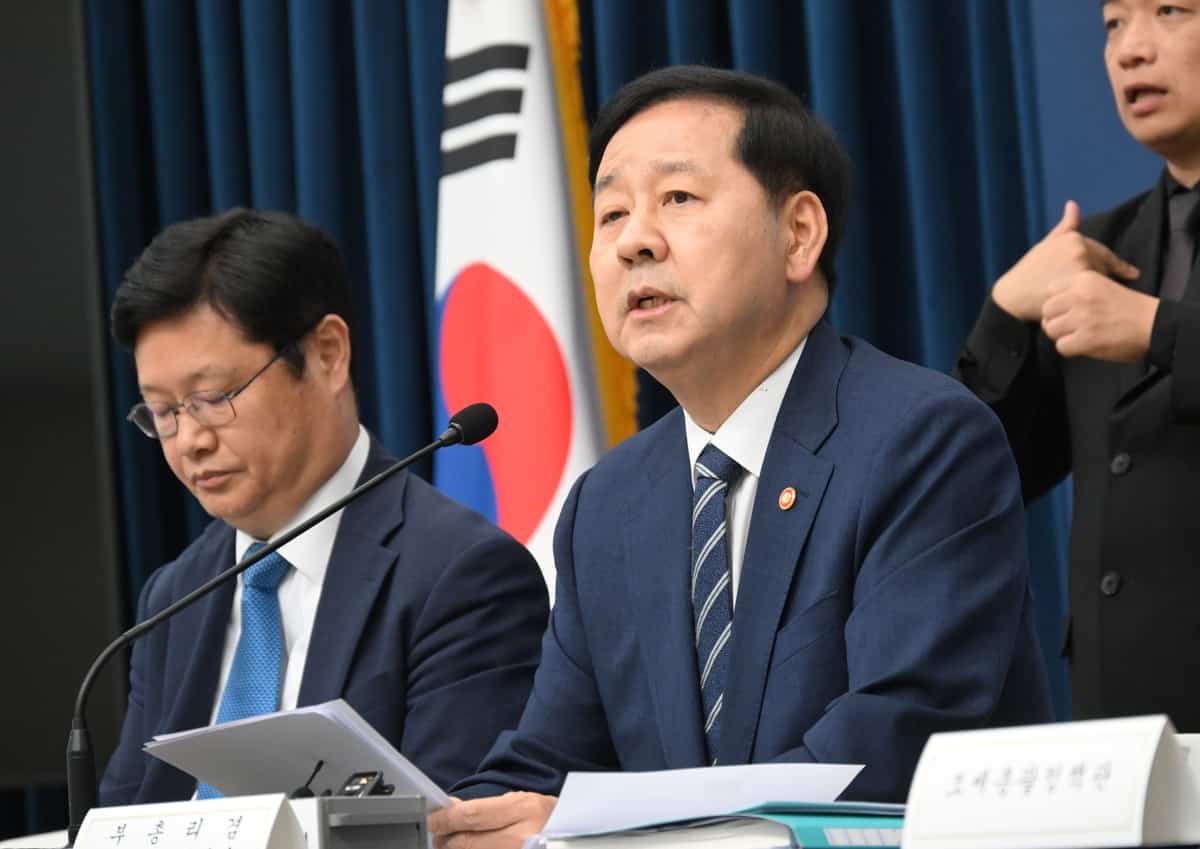
Finance Minister Koo Yun-cheol stated the revision aims to impose a heavier tax burden on owners of high-end homes.
The tax rate system for comprehensive real estate holding tax will shift from a home count-based system to one based on the total value of homes owned.
The tax rate for owners of one or two homes will be unified at 0.5 percent to 5 percent, regardless of the number of homes owned, starting in 2028.
The threshold for the comprehensive real estate holding tax will be raised to 1.4 billion won for single-home owners who live in the property.
Homes with a market value of up to about 2 billion won will be exempt from the tax for single-home owners.
For single-home owners not living in the property, the basic deduction will be lowered from 1.2 billion won to 900 million won.

Sources

T1
South Korea proposes higher taxes on wealthy homeowners to stabilise property marketReuters
T1
Tax code revision to trim breaks for high-end homes, boost domestic productionYonhap News Agency

Related Stories

Australian house prices fall faster in July
2 Aug · 2:05 PM
South Korea sees 4% rise in first-time exporters in 2025
3 Aug · 12:46 AM
Weekend Reads: China Investments, Malaysian Politics, and More
3 Aug · 4:50 AM
Indonesia's Q2 growth likely slowed amid weaker consumption and exports
3 Aug · 6:40 AM
China's Chery to invest $75 million in KG Mobility, eyes overseas markets
3 Aug · 12:04 AM