Key facts
- Foreign investment in Japan's chip industry has reached $37 billion.
- Sony Group and Taiwan Semiconductor Manufacturing Co. (TSMC) are investing in a new image sensor plant in Kumamoto Prefecture.
- TSMC has invested 3 trillion yen in two Japanese foundries.
- Japan will provide Sony up to 60 billion yen ($380 million) for its new plant, covering one-third of the cost.
- The Sony facility aims to produce 10,000 wafers per month, with mass supply scheduled to begin in May 2029.
- The subsidy is granted under Japan's Economic Security Promotion Act, designating image sensors as strategically critical.
Foreign investment in Japan's semiconductor industry has surged to $37 billion, bolstered by a new image sensor plant announced by Sony Group and Taiwan Semiconductor Manufacturing Co. (TSMC). This significant influx of capital underscores Japan's ambition for a semiconductor renaissance, supported by substantial government subsidies.
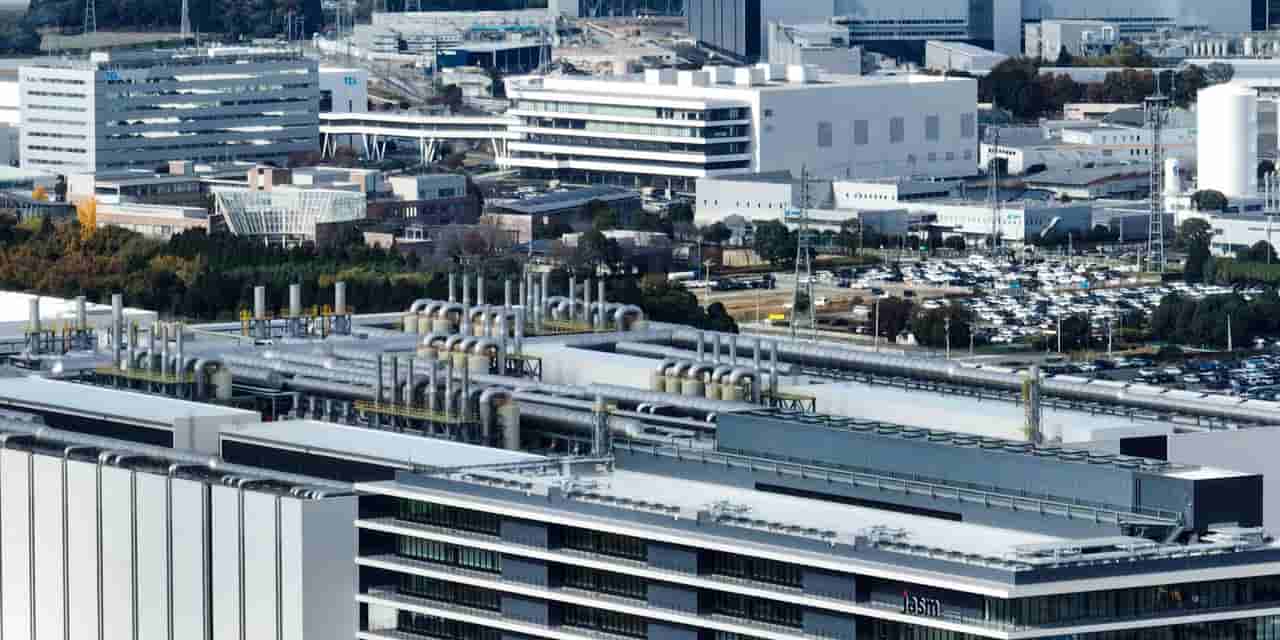
TSMC has committed 3 trillion yen to two foundries in Japan, including facilities in Kumamoto Prefecture. The latest development sees Sony investing approximately 180 billion yen ($1.13 billion) in a new advanced image sensor plant in Koshi City, Kumamoto, adjacent to the TSMC cluster. Japan's government will provide Sony with up to 60 billion yen ($380 million) through its Economic Security Promotion Act framework, covering about one-third of the investment.
The new Sony facility is designed to produce 10,000 wafers per month, with mass supply expected to commence in May 2029. This strategic move is framed as critical for securing Japan's position in the perception layer of modern hardware, essential for autonomous driving and AI applications. Sony currently holds a significant share of the global CMOS image sensor market, but faces increasing competition from players like Samsung and China's Will Semiconductor.
TSMC founder Morris Chang, speaking at the opening of TSMC's first Japanese facility, recalled his earlier partnership with Sony co-founder Morita Akio 56 years prior, highlighting a long-standing connection between the companies and Japan's historical dominance in chip manufacturing. While companies often emphasize the benefits to Japan, the underlying motivation for these investments is driven by economic factors and the pursuit of fab productivity, a strength that has propelled Taiwan's semiconductor industry.