Key facts
- Singapore recorded 29,864 births in 2025, the lowest figure since independence in 1965.
- The number of births in 2025 represented an 11.4% decrease from 33,703 births in 2024.
- The resident total fertility rate reached a new low of 0.87 in 2025.
- The median age of first-time mothers increased to 32.1 years in 2025.
- The number of deaths rose by 0.2% to 26,499 in 2025.
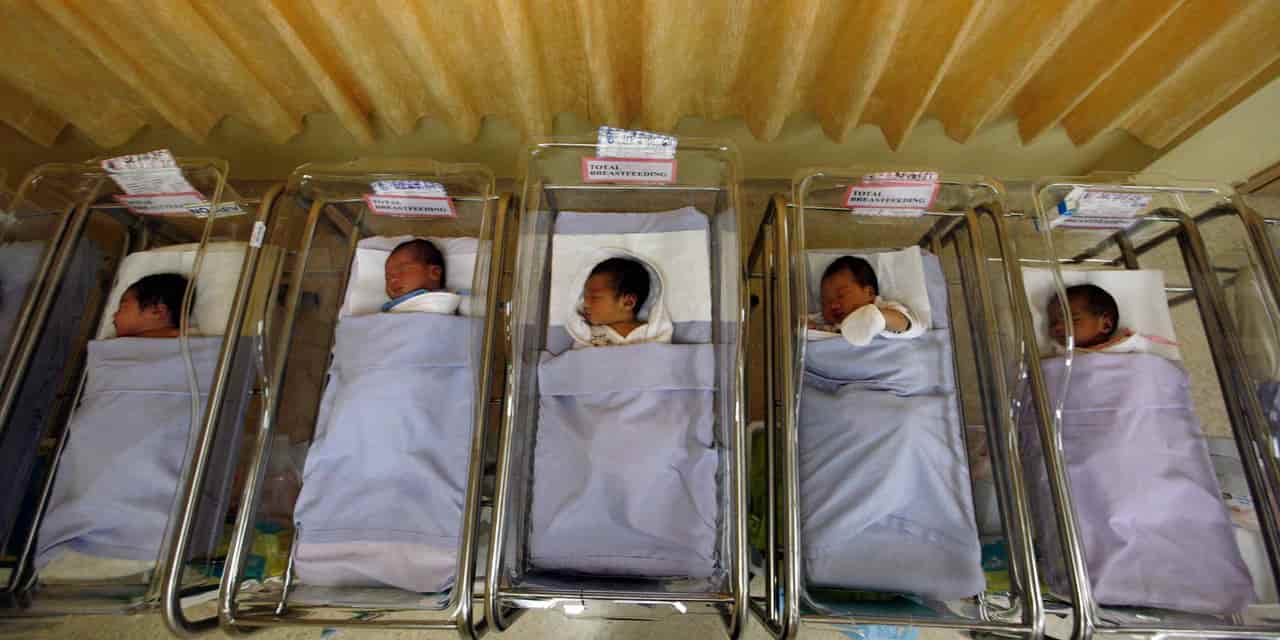
Singapore's birth rate has fallen to its lowest point since independence in 1965, with fewer than 30,000 babies born in 2025. This marks a significant demographic shift for the city-state, which is experiencing one of the fastest aging populations in Asia. The total number of births in 2025 was 29,864, an 11.4% decrease from the 33,703 births recorded in 2024. This decline brings the resident total fertility rate to a new low of 0.87.
The report, released by the Immigration and Checkpoints Authority (ICA), also noted a slight increase in deaths, which rose by 0.2% to 26,499 in 2025. The twin challenges of falling birth rates and rising death rates are considered an "existential challenge" by the government. Experts attribute the persistent low birth rates to factors such as later marriages and couples choosing to have fewer or no children.
The median age of first-time mothers has continued to climb, reaching 32.1 years in 2025, up from 31.3 years in 2021. This trend is linked to declining fertility rates with age. While two-thirds of first-time mothers in 2025 held university degrees, about one in ten had O-level or lower qualifications.
Despite the overall decline, the number of teenage mothers and single-parent birth registrations saw significant decreases. Births to teenagers aged 19 and younger fell by 43% to 140, and births registered without a father's name decreased by 22% to 258. The primary causes of death in 2025 were cancer and heart-related diseases, accounting for over half of all fatalities, with 87% of those who died being aged 60 and older.