Key facts
- The Philippines is working to electrify its traditional jeepneys.
- The high cost of electric jeepneys is a significant obstacle for operators.
- A lack of charging infrastructure and the need for new charging stations present challenges.
- Some jeepney operators are hesitant to adopt electric models due to financial and operational concerns.
- The government's Public Utility Vehicle Modernization Program aims to transition the fleet by 2025.
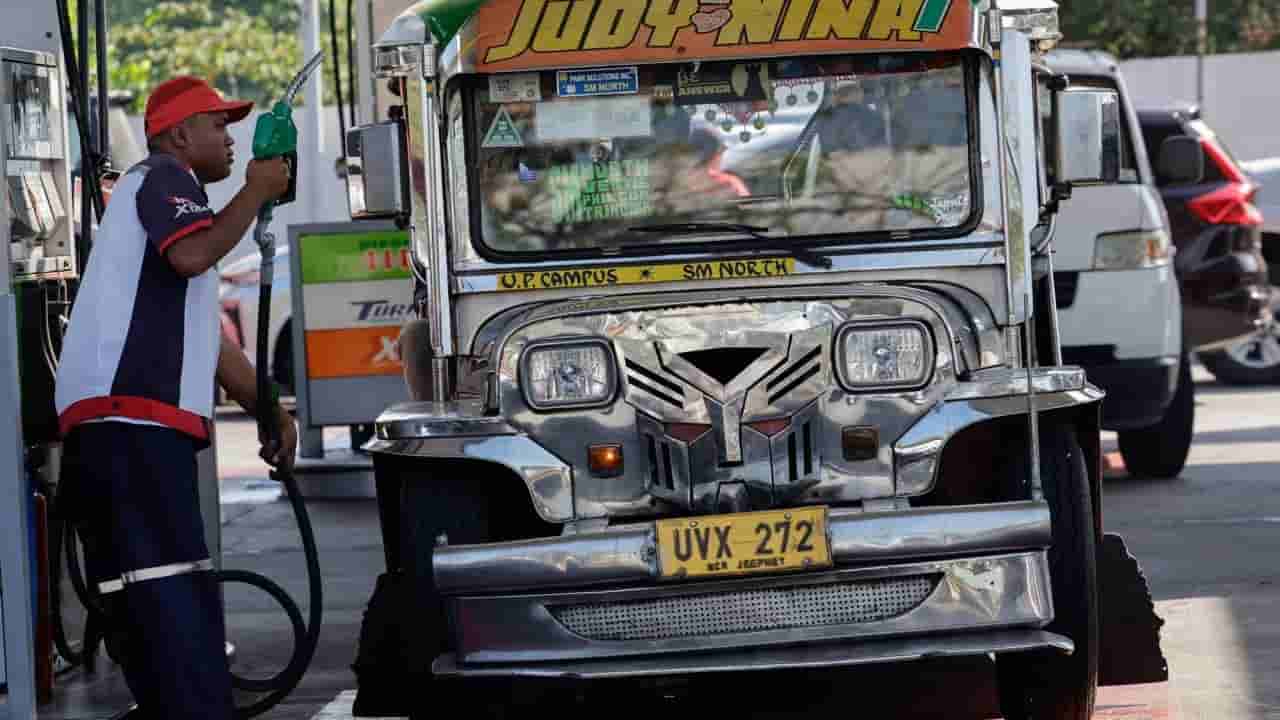
The Philippines' beloved and iconic jeepneys are on a path toward electrification, but the transition is proving to be a complex and challenging journey. A primary obstacle is the substantial upfront cost of electric jeepneys, which are significantly more expensive than their traditional diesel counterparts. This financial burden makes it difficult for many operators to afford the new vehicles.
Beyond the purchase price, the development of adequate charging infrastructure is another major hurdle. The country needs a widespread network of charging stations to support a fully electric fleet, a significant undertaking that requires substantial investment and planning.