Key facts
- Indonesia's Agrinas plans to purchase 320,000 vehicles as part of a $12 billion cooperative market program.
- The procurement includes trucks from Mitsubishi Fuso, Isuzu, Dongfeng, and Tata Motors, as well as 4x4 vehicles and motorbikes.
- The initiative aims to reduce logistics costs and support President Prabowo Subianto's food self-sufficiency goals.
- Mahindra & Mahindra and Tata Motors have already secured export deals for pickup trucks to Indonesia.
- The plan has drawn criticism for potentially undermining the domestic automotive industry and causing job losses.
Indonesia's state-owned Agro Industri Nasional (Agrinas) is planning a massive procurement of 320,000 vehicles, including trucks and motorbikes, as part of a $12 billion initiative to establish cooperative markets nationwide. The program, supporting President Prabowo Subianto's vision for food self-sufficiency and rural economic development, aims to reduce logistics costs and empower small businesses.
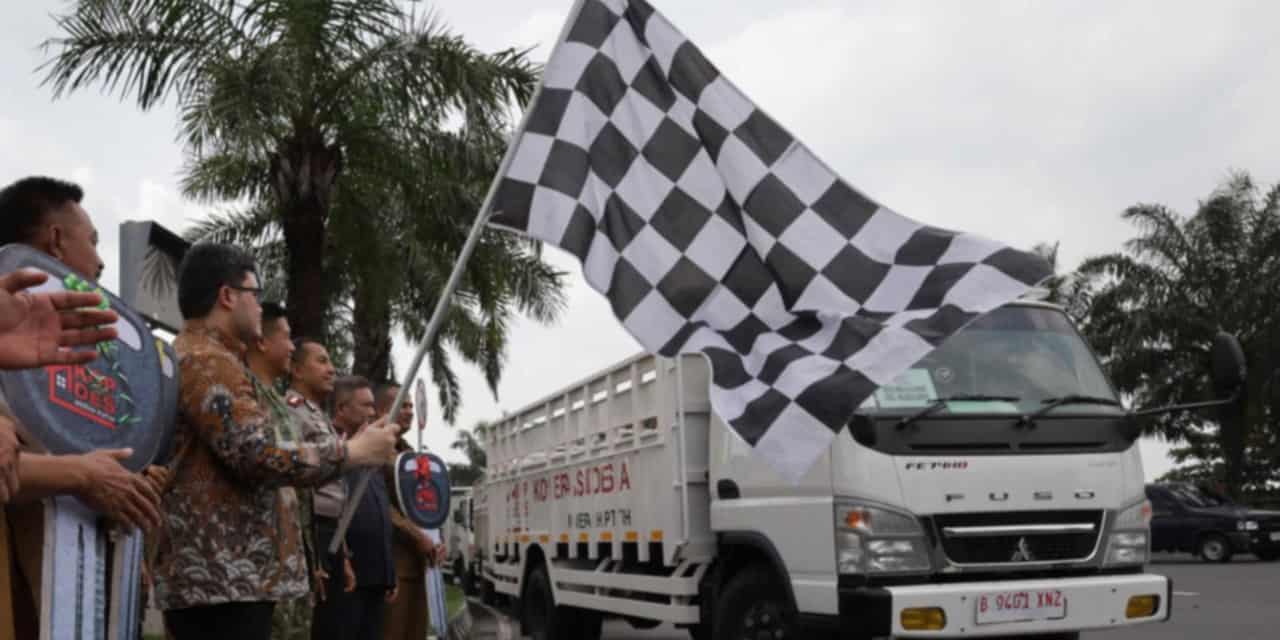
Agrinas intends to purchase 35,000 six-wheeler trucks from local partners of Mitsubishi Fuso Truck and Bus and Isuzu. Further negotiations are underway for an additional 45,000 trucks from China's Dongfeng Motor Group and India's Tata Motors. The company is also in talks to acquire 80,000 4x4 vehicles from Isuzu, Tata, and Mahindra. Motorbike-pulled carts for transporting cooperative products will be sourced from brands including India's TVS Motor Company and Indonesia's Viar Motor Indonesia.
Prior to this broad plan, Indian automakers had already revealed export deals. Mahindra & Mahindra announced it would supply 35,000 units of its Scorpio pickup trucks to Agrinas, marking its largest-ever export order. Tata Motors confirmed an agreement to supply 70,000 vehicles, comprising 35,000 Tata Yodha pickup trucks and 35,000 Ultra T.7 trucks.
However, the plan has encountered significant political resistance and industry disquiet. Critics, including Bhima Yudhistira, executive director of the Center of Economic and Law Studies (CELIOS), argue that importing vehicles, particularly from India, contradicts President Prabowo's stated commitment to domestic industrialization. Concerns have been raised about potential economic losses and job displacement, with estimates suggesting up to 330,000 workers could be laid off if vehicles are not produced domestically. Opponents are calling for a reassessment of the procurement process, including potential delays or cancellations of contracts.