Key facts
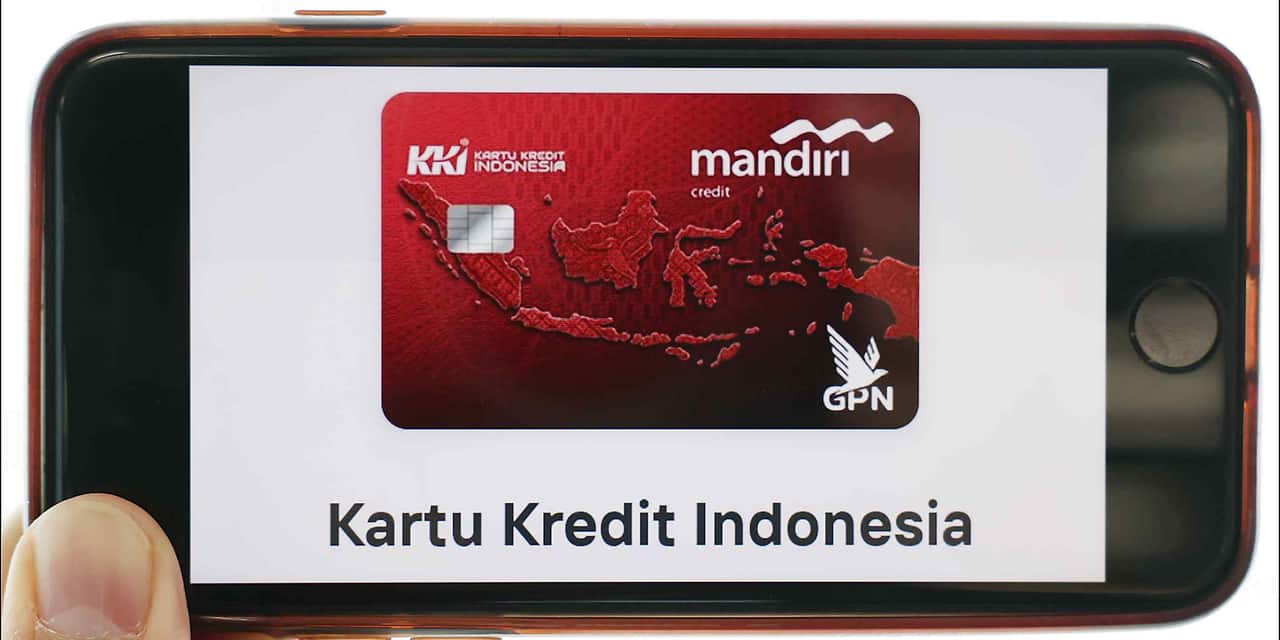
- Bank Indonesia launched a domestic credit card system called Kartu Kredit Indonesia on August 17, 2026.
- The new system aims to process credit card transactions within Indonesia, reducing reliance on foreign networks.
- Eight payment service providers are issuing the new domestic credit card.
- The initiative is intended to support consumer loans and strengthen national economic resilience.
- Bank Indonesia also expanded its QRIS MDR 0% policy for micro-enterprises and other merchant categories.
- QRIS adoption has reached 65.77 million users and 44.86 million merchants as of June 2026.
Bank Indonesia has launched a new domestic credit card payment system, Kartu Kredit Indonesia, to process transactions within the country, aiming to reduce reliance on foreign payment networks like Visa and Mastercard. Announced on August 17, 2026, during Indonesia's Independence Day celebrations, the initiative is part of a broader effort to strengthen the nation's digital financial ecosystem and economic resilience.
The Kartu Kredit Indonesia system is designed to offer deferred payment facilities while ensuring that transaction processing remains onshore. This move is intended to foster a more inclusive digital financial ecosystem and enhance national economic competitiveness. The card can be utilized for QRIS payments through both scan-based and tap-based transactions. Eight payment service providers had issued the new card by the launch date.
In conjunction with the new credit card system, Bank Indonesia also announced an expansion of its QRIS Merchant Discount Rate (MDR) 0% policy, effective October 1, 2026. This policy will continue to offer zero MDR charges for micro-enterprise merchants on transactions up to Rp500,000 (approximately US$30.60) and extend the zero MDR rate to all other merchant categories for transactions up to Rp100,000 (approximately US$6.12), previously subject to a 0.7% fee.
Bank Indonesia views the overreliance on foreign payment providers as a significant risk, citing geopolitical tensions and sanctions that have impacted services in other countries. The move also aligns with a global trend of central banks building resilience in domestic financial systems against international shocks. The initiative is expected to lower transaction costs, encourage broader digital payment adoption, and create economic opportunities for local entrepreneurs.
QRIS adoption has seen substantial growth, with 65.77 million users and 44.86 million merchants by June 2026, indicating a widespread integration of digital payments among small and medium-sized enterprises.