HomeEverythingEducationTV
Equities & FundsCrypto & Digital AssetsAI & TechnologyBusiness & CorporateUS Politics & PolicyGeopolitics & Global RiskMacro, Rates & FXCommodities & EnergyEuropean Politics & MarketsAsia-PacificReal Estate & Property
Story archiveAll categories
← All Stories

India's textile exporters gain ground with EU trade deal

Created at 15 Jul · 1:36 AM1 source↑ Market-relevant
IN SHORT

India's textile exporters are experiencing a resurgence in orders following the conclusion of a Free Trade Agreement with the European Union. The deal grants zero-duty access to the EU market, significantly improving India's competitiveness against rivals like Bangladesh and Pakistan.

✉Newsletter

PiQ Daily

Pick your topics. Get only what matters, on your cadence.

Key Numbers

20 yearsnegotiation period for India-EU FTA
January 27, 2026FTA conclusion date
12%maximum tariff on Indian textiles to EU
$263.5 billionEU global textile and apparel imports in 2024
$30-40 billionprojected Indian textile exports to EU
90%Indian goods receiving immediate duty removal
45 millionpeople employed directly in India's textile sector

Who's Involved

Ashwin Chandran
Chairman of the Confederation of Indian Textile Industry (CITI)
Piyush Goyal
Commerce minister of India
Narendra Modi
Prime Minister of India
European Union
Trade bloc granting zero-duty access to Indian textiles
India
Country securing zero-duty access for its textile exports
India's textile exporters gain ground with EU trade deal

↳ Why This Matters

The India-EU Free Trade Agreement is poised to significantly boost India's textile and apparel sector by providing preferential market access, enhancing global competitiveness, and potentially creating substantial employment opportunities. It also signals a move towards greater integration into global value chains and addresses emerging sustainability standards.

Key facts

  • India and the EU finalized a Free Trade Agreement on January 27, 2026, after nearly two decades of negotiations.
  • The FTA provides Indian textiles and apparel with zero-duty access to the EU market, eliminating tariffs up to 12%.
  • This agreement is projected to increase India's textile exports to the EU to between $30 billion and $40 billion.
  • The deal aims to level the playing field for Indian exporters against competitors like Bangladesh and Pakistan.
  • The EU is India's second-largest export destination for textiles and apparel, with global imports valued at $263.5 billion in 2024.

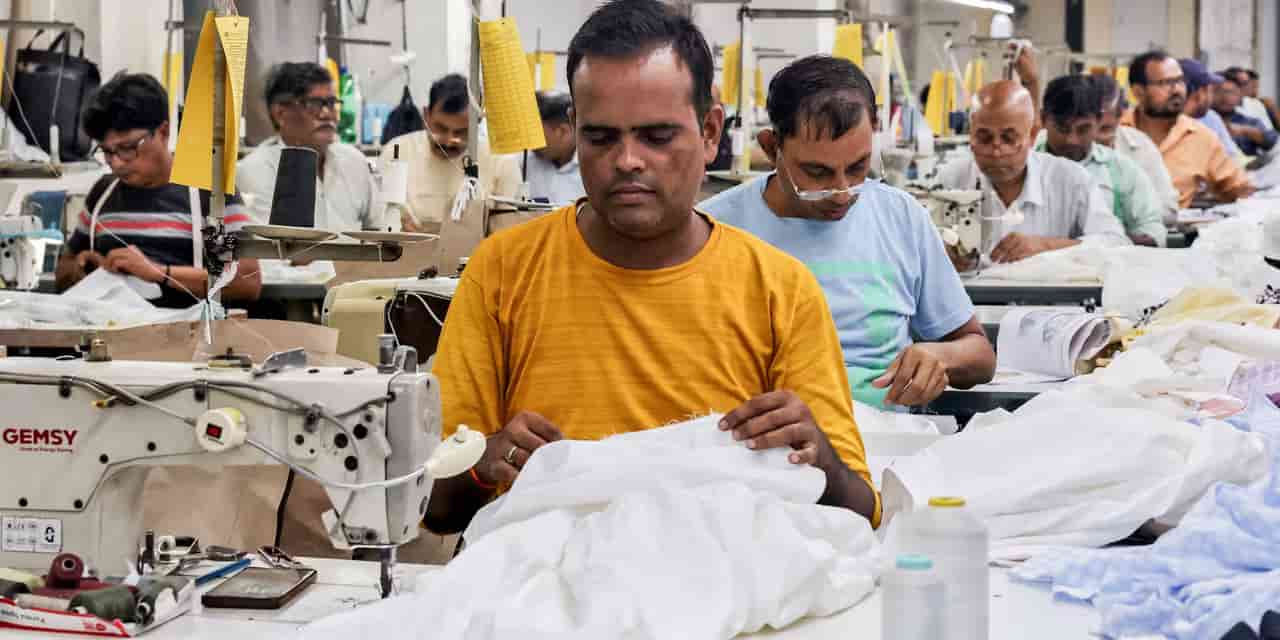
India's textile exporters are experiencing a renewed sense of optimism and seeing an increase in orders following the finalization of a Free Trade Agreement (FTA) with the European Union. The agreement, concluded on January 27, 2026, after nearly two decades of negotiations, grants Indian textiles and apparel zero-duty access across the entire EU tariff spectrum, eliminating duties that previously reached up to 12%. This move is expected to significantly enhance India's competitiveness against duty-free rivals such as Bangladesh and Pakistan.

The EU's global imports of textiles and apparel stood at $263.5 billion in 2024, presenting a substantial market opportunity for India. The FTA is projected to expand India's textile exports to the EU to between $30 billion and $40 billion. This enhanced market access is anticipated to stimulate production, increase capacity utilization, and generate employment within India's labor-intensive textile sector, which directly employs approximately 45 million people. The agreement also addresses sustainability concerns, aligning with the EU's Ecodesign for Sustainable Products Regulation and Digital Product Passport framework.

This trade deal comes at a critical time for Indian exporters, who have also faced challenges such as U.S. tariffs. The FTA is seen as a crucial step in offsetting some of the damage from these tariffs and reinforcing India's position as a reliable sourcing partner. The agreement is expected to be implemented in about a year, with the EU immediately removing duties on 90% of Indian goods.

Frequently asked questions

The India-EU Free Trade Agreement was finalized on January 27, 2026.

The FTA grants Indian textiles zero-duty access to the EU market, removing tariffs up to 12% and improving competitiveness.

Exports are projected to expand to between $30 billion and $40 billion.

It levels the tariff playing field with countries like Bangladesh and Pakistan, which already have duty-free access to the EU.

What Happens Next

01The India-EU FTA is expected to be implemented in approximately one year.
02The EU will immediately remove duties on 90% of Indian goods upon implementation.

Get the newsletter.

Pick the topics you actually care about. We'll email when there's news worth your time, on the cadence you choose. Cancel any time from your account.

Cadence

How It Developed

India and the European Union concluded negotiations for a Free Trade Agreement (FTA) on January 27, 2026.
The FTA grants Indian textiles zero-duty access across the full EU tariff spectrum, removing duties of up to 12%.
The agreement is expected to boost Indian textile exports to the EU to $30-40 billion.
The deal aims to improve India's competitiveness against rivals such as Bangladesh and Pakistan.
The FTA is expected to boost production, capacity utilization, and employment in India's textile sector.
The agreement will be implemented in about a year, with the EU immediately removing duties on 90% of Indian goods.

Sources

T1
India's European trade deals revive hopes for textile exportersNikkei Asia
T2
India-EU FTA to Boost Textile Exports to $40 Billionbhashatimes.com
T2
India's Textile Exporters Pin Hopes on EU Deal After US Tariff Blowhgi.io
T2
Press Release Page - Press Information Bureaupib.gov.in

Related Stories

India-UK trade deal aims to boost exports, cut tariffs on Scotch whisky
14 Jul · 10:56 PM
Taiwanese mangoes begin European export for first time
15 Jul · 2:13 AM
Japan manufacturers upbeat on chip demand, services hit by costs
14 Jul · 11:06 PM
China Exports, Imports Surge on AI Boom
14 Jul · 5:36 AM
China car exports top 1m for first time as overall trade surges
14 Jul · 10:41 AM