All NewsEducationTV
Equities & FundsCrypto & Digital AssetsAI & TechnologyBusiness & CorporateUS Politics & PolicyGeopolitics & Global RiskMacro, Rates & FXCommodities & EnergyEuropean Politics & MarketsAsia-PacificReal Estate & Property
Story archiveAll categories
← All Stories

India's battery materials push stalls as Chinese tech transfer curbs delay cell production

Created at 14 Aug · 3:06 AM1 source↑ Market-relevant
IN SHORT

Indian chemical firms are investing heavily in battery materials plants, but Chinese restrictions on technology transfers are hindering domestic lithium-ion cell manufacturing, creating a surplus of materials without local customers. A new government scheme aims to bolster component manufacturing.

✉Newsletter

PiQ Daily

Pick your topics. Get only what matters, on your cadence.

Key Numbers

₹12,000 croreproposed incentive scheme for battery components
₹18,100 croreexisting PLI program for ACC battery manufacturing
400,000 tonnesestimated Cathode Active Material (CAM) needed by 2030
200,000 tonnesestimated Anode Active Material (AAM) needed by 2030
223 GWhannounced battery manufacturing capacity by 2030
70–80%global cathode active material production controlled by China
85%+global anode material processing controlled by China
90%global lithium refining capacity controlled by China

Who's Involved

Ola Electric
Indian company planning lithium-ion battery cell manufacturing
Sudeep Advanced Materials
Indian company playing a role in bridging the battery materials gap
Ministry of Heavy Industries
Acknowledged lack of domestic CAM, AAM, and electrolyte availability
India's battery materials push stalls as Chinese tech transfer curbs delay cell production

↳ Why This Matters

India's strategic push to become a global battery manufacturing hub is at risk due to its reliance on imported components and China's technological dominance. The current imbalance between advanced materials production and cell manufacturing capacity could hinder the growth of its electric vehicle and energy storage sectors.

Key facts

  • Indian chemical companies are investing heavily in advanced battery materials.
  • Chinese restrictions on technology transfers are delaying domestic lithium-ion cell production.
  • India plans a new ₹12,000 crore incentive scheme for battery components.
  • The new scheme aims to address India's dependence on imported battery materials and components.
  • Key components targeted include Cathode Active Materials (CAM), Anode Active Materials (AAM), and Electrolytes.

Indian chemical companies are making substantial investments in plants for advanced battery materials, but their efforts are being hampered by a lack of domestic customers. This situation arises because Chinese restrictions on technology transfers have significantly delayed the development of lithium-ion cell manufacturing capabilities within India.

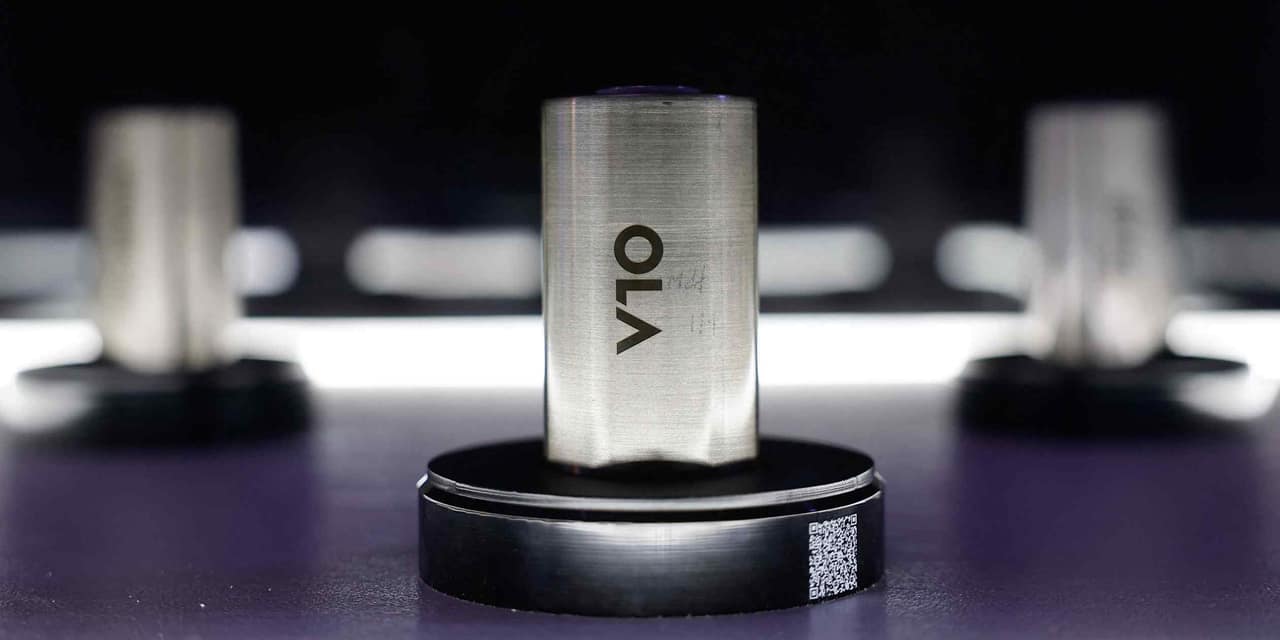
While companies like Ola Electric have announced plans to produce lithium-ion battery cells under a government subsidy program, the technology transfer curbs have forced many to postpone or halt their cell manufacturing operations. This creates a strategic bottleneck where advanced materials are being produced without a corresponding upstream capacity for cell production.

India's ambition to become a global battery manufacturing hub requires more than just cell assembly; it necessitates control over upstream materials science and process innovation. China currently dominates the global battery materials market, controlling a significant majority of cathode active material production, anode material processing, and lithium refining capacity, built over two decades of sustained investment and vertical integration.

India's current battery ecosystem shows progress in cell assembly and pack integration but remains underdeveloped in upstream materials. While domestic capability in cathode active materials (CAM) is emerging, there is near-total dependence on imports for anode materials and key electrolyte components like lithium hexafluorophosphate (LiPF₆). The challenge for India lies in process maturity, purity control, and scale integration, rather than just chemical awareness.

To address these weaknesses, India is preparing a new incentive scheme of approximately ₹12,000 crore to promote domestic manufacturing of critical battery components. This initiative aims to complement the existing ₹18,100 crore Production Linked Incentive (PLI) program for Advanced Chemistry Cell (ACC) battery manufacturing. The new scheme is expected to provide financial support for manufacturing CAM, Anode Active Materials (AAM), electrolytes, and copper foil, encouraging companies to establish complete supply chains within India and reduce import dependence.

Frequently asked questions

Indian chemical companies are investing heavily in battery materials, but Chinese restrictions on technology transfers are delaying domestic lithium-ion cell manufacturing, leaving them without local customers.

India is preparing a new ₹12,000 crore incentive scheme to promote domestic manufacturing of critical battery components like Cathode Active Materials (CAM) and Anode Active Materials (AAM).

China dominates global production, controlling 70-80% of cathode active materials, over 85% of anode material processing, and 90% of lithium refining capacity, while India is in the early stages of scaling up.

India needs to localize Cathode Active Materials (CAM), Anode Active Materials (AAM), electrolytes, copper foil, and battery separators to build a self-reliant battery ecosystem.

What Happens Next

01India's Ministry of Heavy Industries is expected to finalize the details of the new incentive scheme for battery components.
02Companies will likely seek to leverage the new scheme to establish domestic supply chains for critical battery materials.

Get the newsletter.

Pick the topics you actually care about. We'll email when there's news worth your time, on the cadence you choose. Cancel any time from your account.

Cadence

How It Developed

Indian chemical companies are investing billions in battery materials plants.
Chinese restrictions on technology transfers are delaying lithium-ion cell manufacturing.
Most Indian companies have delayed or stalled cell manufacturing plans.
India plans a new incentive scheme worth approximately ₹12,000 crore for critical battery components.
This new scheme aims to complement the existing ₹18,100 crore PLI program for ACC battery manufacturing.
The proposed scheme will focus on manufacturing Cathode Active Materials (CAM), Anode Active Materials (AAM), Electrolytes, and Copper Foil.

Sources

T1
India's battery materials bet races ahead of lithium cell making plansNikkei Asia
T2
India Plans ₹12,000 Crore Incentive Scheme for Battery Components ...autopunditz.com
T2
India's Advanced Battery Materials Roadmap (2026-2030)thebatterymagazine.com
T2
A Guide to India's Latest Critical Minerals Updatesthebatterymagazine.com

Related Stories

China NEV Sales Exceed 60% of New-Car Market as Exports Bolster Domestic Decline
13 Aug · 7:26 PM
South Korea Bets Big on Post-AI Economy with Moon Landing, Quantum Chips
14 Aug · 12:06 AM
Indonesia eyes mass production of home-grown EVs by 2028
13 Aug · 9:31 AM
Indonesia's new capital Nusantara faces uncertain future amid funding cuts
13 Aug · 7:52 AM
Microsoft Scales Back China Operations Amid Geopolitical Tensions
13 Aug · 10:07 AM