HomeEverythingEducation
Equities & FundsCrypto & Digital AssetsAI & TechnologyBusiness & CorporateUS Politics & PolicyGeopolitics & Global RiskMacro, Rates & FXCommodities & EnergyEuropean Politics & MarketsAsia-PacificReal Estate & Property
Story archiveAll categories
← All Stories

Hong Kong's ageing population presents challenges and opportunities

Created at 12 Jul · 4:20 AM1 source↑ Market-relevant
IN SHORT

Hong Kong, known for its longevity, faces demographic challenges as its population ages. Projections indicate a significant increase in residents aged 65 and older, straining healthcare and social systems, while also creating opportunities in the 'silver economy'.

✉Newsletter

PiQ Daily

Pick your topics. Get only what matters, on your cadence.

Key Numbers

34%projected elderly population in 15 years
756males per 1,000 females
2.44 millionprojected elderly population by 2066
1.48working-age people per senior by 2066
£15cost for outpatient services
50pcost per medicine
60-65typical retirement age
5%Mandatory Provident Fund contribution rate
£3000maximum monthly MPF contribution
HKD $5 millionestimated comfortable retirement fund
£500,000approximate retirement fund in GBP
20%current percentage of residents aged 65 or older
2043year projected to double elderly population
40%projected elderly population by 2043
HK$342 billionspending by those aged 60+ last year
US$43.8 billionspending by those aged 60+ last year
11%share of city's spending by those aged 60+

Who's Involved

Census and Statistics Department (CSD)
projected Hong Kong's demographic shifts
K. Wong & Young
cited for pressure on medical services
Marsillas et al.
defined 'Active Aging' factors
Steiner et al.
defined 'Active Aging' factors
Cedric Lam
66-year-old retiree advocating for active aging
K. Chen et al.
studied older people's mobile phone usage
Hong Kong Jockey Club
initiator of the SMART Family-Link Project
Hong Kong's ageing population presents challenges and opportunities

↳ Why This Matters

Hong Kong's demographic shift towards an older population necessitates strategic planning to sustain its healthcare system, workforce, and social fabric, while also unlocking economic opportunities within the growing 'silver economy'.

Key facts

  • Hong Kong is now a super-aged society, with one in five residents aged 65 or older.
  • By 2043, nearly 40% of Hong Kong's population is projected to be 65 or older.
  • The elderly dependency ratio is expected to reach 1.48 working-age people per senior by 2066.
  • Hong Kong's public healthcare system, though robust, faces increasing demand from the ageing population.
  • The Mandatory Provident Fund (MPF) requires a 5% contribution from employers and employees.
  • Estimates suggest HKD $5 million (approx. £500,000) is needed for a comfortable retirement.
  • Individuals aged 60 and above spent approximately HK$342 billion (US$43.8 billion) last year.

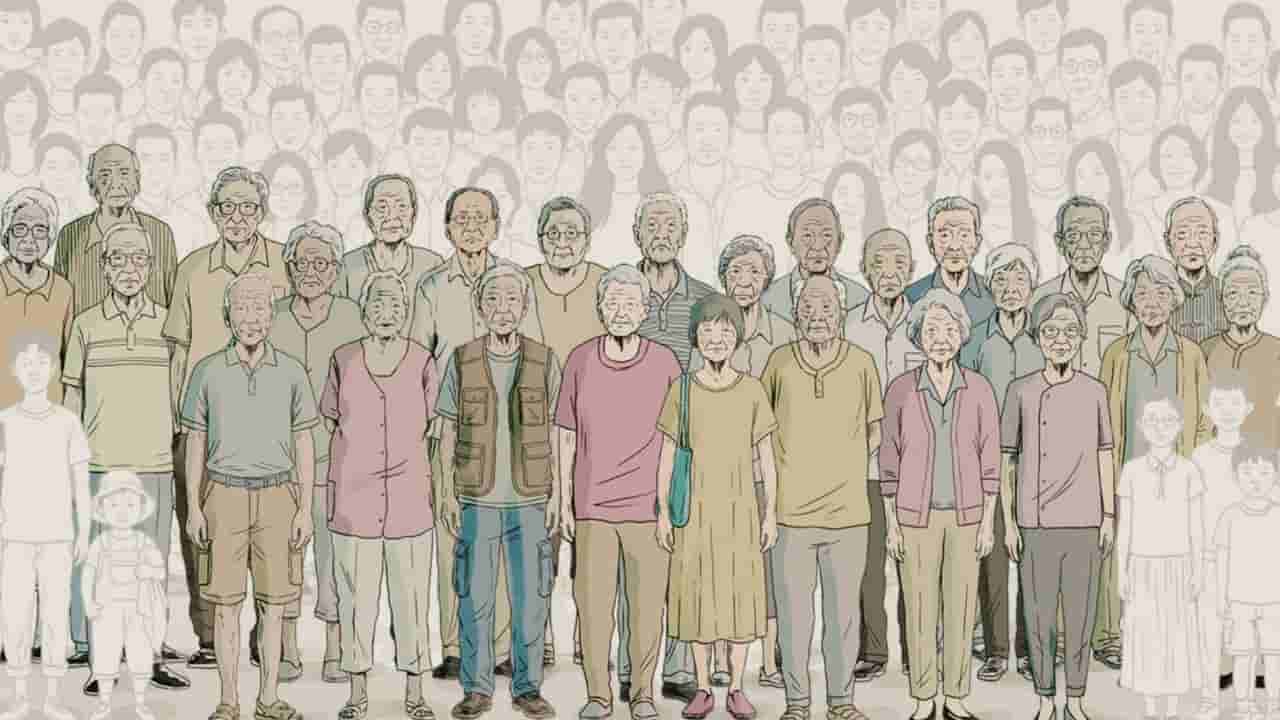
Hong Kong, a global financial hub, is also home to one of the world's longest-living populations, presenting significant demographic challenges. Projections indicate that by 2043, nearly 40% of the population will be aged 65 or older, a milestone that has already seen Hong Kong become a super-aged society with one in five residents in this age bracket.

The city's high life expectancy is attributed to its walkable infrastructure, robust public healthcare system, and dietary habits. However, the rapidly increasing number of seniors is placing immense pressure on medical services, with projections suggesting the elderly population will double to 2.44 million by 2066, leading to a critical elderly dependency ratio of 1.48 working-age individuals per senior.

While retirement typically occurs between 60 and 65, many seniors remain capable and wish to continue working. A 'skills gap' has emerged, with employers often hesitant to hire older individuals due to perceived limitations, while younger generations may be less inclined towards physically demanding labor. The concept of 'Active Aging' is crucial, encompassing physical, cognitive, psychological, and social factors to maintain seniors' capabilities and reduce the risk of boredom and cognitive decline.

The Mandatory Provident Fund (MPF), established in 1995, requires a 5% contribution from both employers and employees. However, many question its sufficiency for a comfortable retirement, with estimates suggesting a need for at least HKD $5 million. Additionally, the 'digital divide' leaves many seniors struggling with online tasks, though initiatives like the Jockey Club SMART Family-Link Project aim to bridge this gap.

Despite these challenges, the ageing population also presents opportunities. Individuals aged 60 and above spent approximately HK$342 billion last year, representing 11% of the city's total spending, highlighting the potential of the 'silver economy'. Retiree Cedric Lam, 66, exemplifies active aging by pursuing new activities like airsoft shooting to stay stimulated and socially connected.

Frequently asked questions

Hong Kong has become a super-aged society, with one in five residents aged 65 or older. This number is projected to nearly double by 2043.

Key factors include a robust public healthcare system, urban design encouraging walking, and healthy dietary habits.

Challenges include increased pressure on healthcare services, a potential 'skills gap' in the workforce, and the 'digital divide' affecting seniors' ability to engage with modern technology.

While the MPF encourages financial discipline with a 5% contribution rate, many question its sufficiency, with estimates suggesting a need for at least HKD $5 million for a comfortable retirement.

What Happens Next

01The government must strategically overhaul the healthcare system to manage rising demand.
02The sufficiency of the 5% MPF contribution rate may need re-evaluation.
03Initiatives like the Jockey Club SMART Family-Link Project will continue to address the digital divide.

Get the newsletter.

Pick the topics you actually care about. We'll email when there's news worth your time, on the cadence you choose. Cancel any time from your account.

Cadence

How It Developed

Hong Kong has become a super-aged society with over 20% of residents aged 65 or older.
Projections show the elderly population doubling by 2066, with a critical elderly dependency ratio.
Hong Kong's robust public healthcare system faces increasing pressure from the growing elderly population.
A skills gap exists as employers hesitate to hire those over 60, while younger generations are less inclined towards physically demanding jobs.
The concept of 'Active Aging' is highlighted as essential for seniors' physical, cognitive, and social well-being.
The Mandatory Provident Fund (MPF) is a key retirement tool, but its sufficiency is questioned.
The 'digital divide' poses a challenge for seniors navigating online daily tasks.
Cedric Lam, a 66-year-old retiree, advocates for seniors to remain active and engaged.

Sources

T1
Ageing in Hong Kong - should you fear it?South China Morning Post
T2
How Hong Kong's ageing population is reshaping society and its ... - CNAchannelnewsasia.com
T2
Growing Old in a Changing Hong Kong: Enjoyment or Challenge?uclasiaticaffairs.com

Related Stories

Hong Kong trade with Middle East surges 35% amid capital inflows
12 Jul · 6:05 AM
China's Memory Chip Shortage Fuels Consumer Price Hikes
12 Jul · 5:05 AM
Japan targets 60 million tourists, but Chinese visitors remain scarce
12 Jul · 1:50 AM
China-India diplomats shake hands amid web user restrictions
11 Jul · 10:06 AM