Key facts
- China's economy grew 4.3% year-on-year in the second quarter, down from Q1.
- The Politburo signaled a need for "more proactive" tax and spending policies.
- Weak consumer spending and a property sector crunch are major economic drags.
- Exports, particularly in high-tech sectors, continue to show strong growth.
- Policymakers are prioritizing advanced manufacturing and green energy over traditional growth engines.
China's economy experienced its slowest growth in over three years during the second quarter, expanding by 4.3% year-on-year, according to official data. While high-tech manufacturing and exports are robust, domestic consumption remains weak, hampered by sluggish consumer confidence, high youth unemployment, and a prolonged property sector downturn.
The ruling Politburo has called for "more proactive" tax and spending policies but has not endorsed broad measures to stimulate consumer spending. Instead, authorities are de-emphasizing traditional growth drivers like property and consumption, focusing on "new quality productive forces" such as advanced manufacturing, green energy, and artificial intelligence.
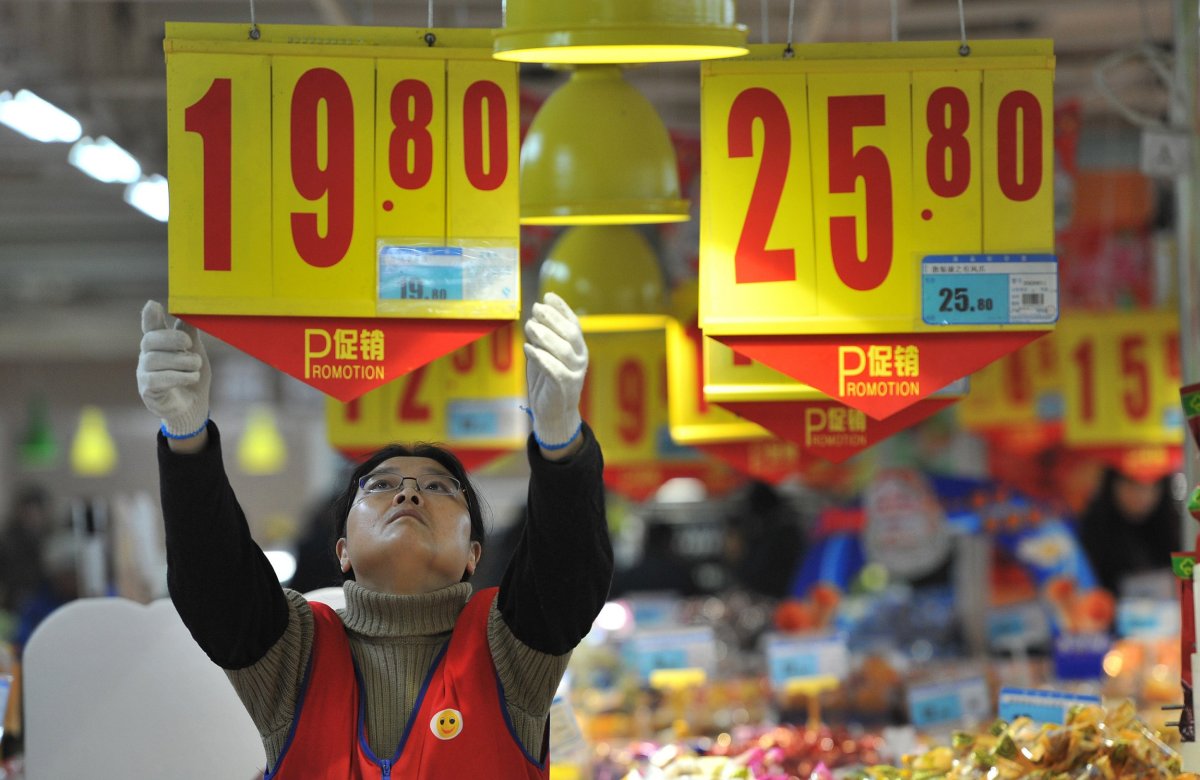
Retail sales saw only a 1.3% increase in the first half of the year, with June sales rising just 1% from a year prior. Subsidies for trade-in programs have offered some support but have not significantly lifted household confidence. Much of Beijing's stimulus has been directed toward industrial policy and infrastructure rather than direct consumer support.
Exports, however, continue to be a strong performer, growing 27% in June, largely driven by high-tech products and manufactured goods like electric vehicles. Chinese automakers notably surpassed 1 million vehicle exports in June. Despite this export strength, China faces increasing resistance from the U.S. and EU, which accuse Beijing of flooding markets with subsidized goods.