Key facts
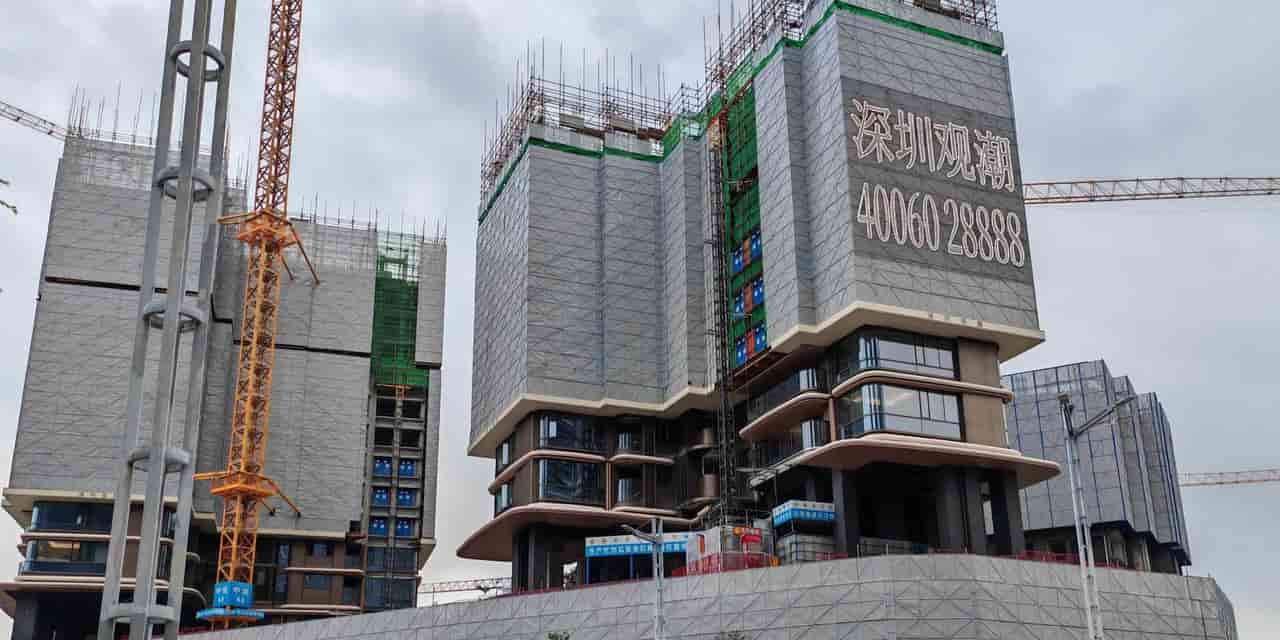
- State-owned developers are leading construction projects in Shenzhen, China, despite a broader property market downturn.
- In Beijing, state-backed developers have outbid private firms for land in recent years, with private plot purchases hitting a low.
- State-driven land sales are estimated to account for over 80% of the national total last year.
- Shenzhen's land market is seeing intense bidding wars for prime plots, with state entities securing key acquisitions.
- A plan aims to transform Shenzhen into a key reform hub for the Greater Bay Area.
China's state-owned property developers are significantly increasing their activity in Shenzhen, undertaking major construction projects even as the private sector faces market challenges. This trend, observed across major Chinese cities like Beijing, indicates a structural shift towards greater state control in the property market, moving away from the previous era of private-sector-led development and debt-fueled expansion.
In Beijing, an analysis of land purchases over eight years shows government-backed developers have acquired more plots than their private counterparts in each of the last three years, with private plot acquisitions falling to their lowest point since 2018. This pattern is reportedly playing out nationwide, with estimates suggesting state-driven land sales accounted for over four-fifths of the total last year. This state intervention is seen as a stabilizing factor, but raises questions about potential misallocation of investment.
The land market, a crucial revenue source for local governments and a significant employer, has seen revenues from land sales nearly halve since 2021. China's overall property construction by floor area has been declining since 2022, a trend that is now accelerating. State-owned developers are now largely responsible for selling new apartments, which have seen price drops for much of the past two years.
Shenzhen, in particular, is experiencing a surge in land market activity, with developers engaging in bidding wars for prime plots. A subsidiary of China Railway Construction Real Estate Group secured a plot in Futian after more than 140 rounds of bidding, with the final price significantly exceeding the opening bid. Similarly, a unit of China Overseas Land & Investment acquired land in the Shenzhen Bay Super Headquarters Base at a substantial premium.
This development coincides with Beijing's plan to transform Shenzhen into a 'core engine' of reform and innovation for the Greater Bay Area, granting the city more autonomy in areas like land use and technology. However, the plan offers little clarity on how Shenzhen will navigate challenges such as an increasingly hostile international trade environment.