HomeEverythingEducationTV
Equities & FundsCrypto & Digital AssetsAI & TechnologyBusiness & CorporateUS Politics & PolicyGeopolitics & Global RiskMacro, Rates & FXCommodities & EnergyEuropean Politics & MarketsAsia-PacificReal Estate & Property
Story archiveAll categories
← All Stories

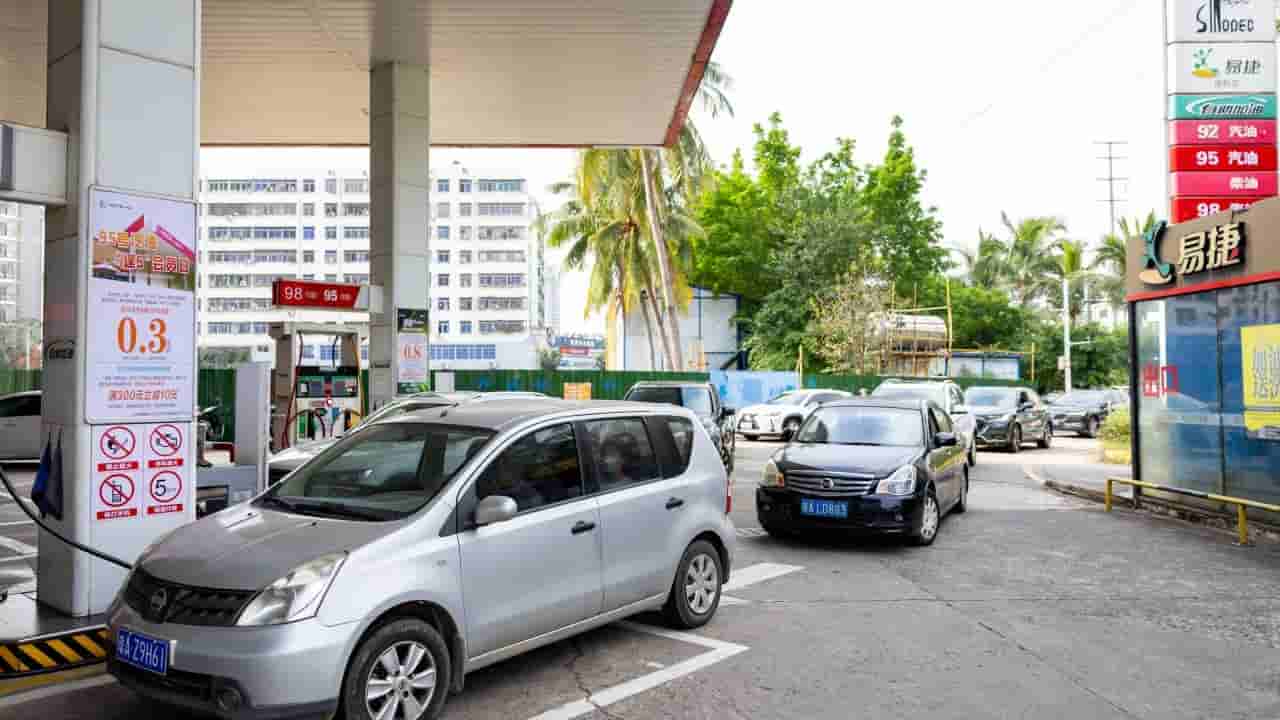
China's Hainan province bans petrol car sales from 2030

Created at 14 Jul · 7:05 AM1 source↑ Market-relevant
IN SHORT

Hainan province in China has announced a ban on the sale of new petrol cars starting in 2030, aiming to accelerate the adoption of electric vehicles and promote green energy infrastructure.

✉Newsletter

PiQ Daily

Pick your topics. Get only what matters, on your cadence.

Who's Involved

Hainan province
Chinese province implementing a petrol-car ban
China's Hainan province bans petrol car sales from 2030

↳ Why This Matters

This policy signals Hainan's commitment to environmental sustainability and its role in China's national strategy to decarbonize the transportation sector, potentially influencing other regions and accelerating the global shift towards electric mobility.

Key facts

  • Hainan province will prohibit the sale of new petrol-powered vehicles starting January 1, 2030.
  • The province aims to transition its transportation sector to new energy vehicles.
  • This initiative is part of China's national strategy to promote electric vehicles and reduce carbon emissions.

China's Hainan province has announced a significant policy shift, mandating a ban on the sale of new petrol-powered vehicles beginning January 1, 2030. This move positions Hainan as a frontrunner in the nation's ambitious push towards electric vehicle (EV) adoption and the development of green energy infrastructure.

The provincial government's decision is aligned with China's broader national objectives to reduce carbon emissions and transition its vast automotive market towards cleaner energy sources. By setting a clear deadline for the cessation of petrol car sales, Hainan aims to accelerate the adoption of new energy vehicles and stimulate investment in related infrastructure, such as charging stations and battery technology.

Frequently asked questions

Hainan province will ban the sale of new petrol-powered vehicles starting January 1, 2030.

The goal is to accelerate the adoption of electric vehicles and promote green energy infrastructure as part of China's national strategy to reduce carbon emissions.

This specific ban is for Hainan province, but it is part of China's broader national push for electric vehicle adoption.

What Happens Next

01Hainan province will likely introduce further policies to support EV infrastructure development.
02Other Chinese provinces may follow Hainan's lead in setting similar deadlines for petrol car sales.

Get the newsletter.

Pick the topics you actually care about. We'll email when there's news worth your time, on the cadence you choose. Cancel any time from your account.

Cadence

How It Developed

Hainan province will ban the sale of new petrol cars from 2030.
The ban is part of China's broader push for electric vehicle adoption and green energy.
The province aims to transition its transportation sector to new energy vehicles.

Sources

T1
China’s Hainan cements 2030 petrol-car ban, leading nation’s EV infrastructure pushSouth China Morning Post

Related Stories

China Approves Five-Year Plan to Boost Consumption to $8.8 Trillion by 2030
14 Jul · 4:11 AM
China targets $8.85 trillion in retail sales by 2030
13 Jul · 9:31 AM
BMW struggles in China's EV race as local rivals surge ahead
13 Jul · 5:31 PM
South Korea's Jeju Island faces backlash over plan to allow Chinese tourist drivers
14 Jul · 4:26 AM
China Exports Surge 27% in June Driven by AI Demand
14 Jul · 5:36 AM