HomeAll NewsEducationTV
Equities & FundsCrypto & Digital AssetsAI & TechnologyBusiness & CorporateUS Politics & PolicyGeopolitics & Global RiskMacro, Rates & FXCommodities & EnergyEuropean Politics & MarketsAsia-PacificReal Estate & Property
Story archiveAll categories
← All Stories

China repurposes kindergartens into nursing homes amid aging crisis

Created at 25 Jul · 1:06 AM1 source↑ Market-relevant
IN SHORT

China is converting former kindergartens into nursing homes to address its rapidly aging population and declining birth rates. This initiative aims to support families struggling with eldercare and participate in the growing "silver economy."
✉Newsletter

PiQ Daily

Pick your topics. Get only what matters, on your cadence.

Key Numbers

2 millionpopulation drop in 2023
400 millionprojected seniors by 2035
6.39birth rate per 1,000 women
2035year China is predicted to become a severely aging society

Who's Involved

Global Times
Chinese government newspaper highlighting the trend
Zhuang Yanfang
Owner of a former kindergarten converted into a nursing home
Communist Party
System credited with the nursing home initiative
China repurposes kindergartens into nursing homes amid aging crisis

↳ Why This Matters

China's demographic shift presents a significant challenge to its social programs and economy. Repurposing kindergartens into nursing homes is an innovative, albeit potentially controversial, response to ensure eldercare services and manage the societal impact of an aging population.

Key facts

  • China is repurposing former kindergartens into nursing homes.
  • This trend is driven by a declining birth rate and a rapidly aging population.
  • The initiative aims to support families and tap into the "silver economy."
  • Government funding is being provided for these conversions.
  • China's population decreased by over 2 million in 2023, with projections of over 400 million seniors by 2035.
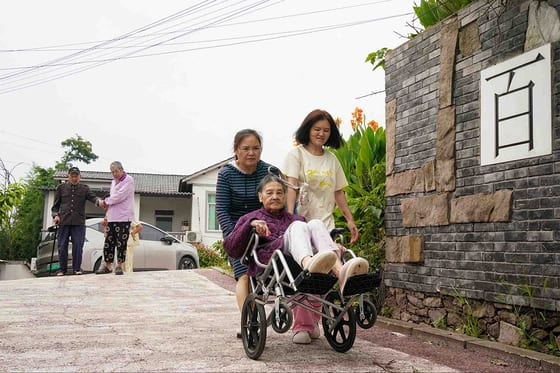
  • China is increasingly converting former kindergarten facilities into nursing homes as part of a strategy to address its rapidly aging population and declining birth rates. The trend, highlighted by the state newspaper Global Times, is framed as a creative and forward-thinking approach to participating in the "flourishing silver economy."

    This repurposing of educational spaces reflects the demographic challenges China faces, including a population drop of over 2 million in 2023 and projections of more than 400 million citizens over 60 by 2035. The initiative aims to alleviate the strain on families struggling with eldercare, particularly in the context of smaller households resulting from the former one-child policy.

    Government funding is reportedly supporting these conversions, with examples like a former kindergarten in Zhejiang province being transformed into a nursing home. This move is presented by state media as a success for the Communist Party system, offering a solution to the growing demand for eldercare services.

    Frequently asked questions

    China is facing a rapidly aging population and declining birth rates, creating a significant demand for eldercare services. Repurposing kindergartens is seen as a creative solution to meet this demand and tap into the "silver economy."

    The "silver economy" refers to the economic activity and services catering to the needs and demands of the elderly population.

    China's population has been declining, with a significant increase in the elderly population projected in the coming years. This is partly due to the legacy of the one-child policy and persistently low birth rates.

    What Happens Next

    01Further government initiatives to support the "silver economy" are expected.
    02Monitoring the success and scalability of converting educational facilities into eldercare homes.

    Get the newsletter.

    Pick the topics you actually care about. We'll email when there's news worth your time, on the cadence you choose. Cancel any time from your account.

    Cadence

    How It Developed

    China's population dropped by over 2 million people in 2023.
    Demographic experts predict an increase of over 400 million people over 60 years old by 2035.
    The Chinese government newspaper Global Times highlighted a trend of refurbishing kindergarten facilities into nursing homes.
    This trend is described as a way to participate in the "flourishing silver economy."
    Former kindergartens are being repurposed to accommodate seniors, with some adding amenities for both children and the elderly.
    This initiative addresses the growing unpopularity of private kindergartens due to increased quality of government facilities.
    The trend is presented as a success for the Communist Party system, with government funding supporting renovations.
    A former kindergarten in Zhejiang province was refurbished into a nursing home with government assistance.
    Sponsored

    London Quick Take - 22 July - UK inflation softens, oil rises and chips rally ahead of Alphabet, Tesla earnings

    SAXO

    Sources

    T1
    Weekend Long Read: The Micro-Nursing Homes Saving China’s Exhausted FamiliesCaixin Global
    T2
    As China ages rapidly, who will care for its 400 million seniors by ...channelnewsasia.com
    T2
    Birth Rate Collapse: China Turning Kindergartens into Nursing Homesbreitbart.com

    Related Stories

    Europe Fortifies Against China’s Export Juggernaut
    24 Jul · 4:16 AM
    World Bank to phase out lending to China by 2031
    24 Jul · 8:11 AM
    China memory chipmakers gain power amid AI boom, drawing U.S. scrutiny
    24 Jul · 12:17 PM
    Hong Kong Exchange Overhauls Listing Rules to Attract More IPOs
    24 Jul · 9:11 AM
    Indonesia's Bali financial hub 'a matter of survival': economic tsar
    25 Jul · 12:05 AM