All NewsEducationTV
Equities & FundsCrypto & Digital AssetsAI & TechnologyBusiness & CorporateUS Politics & PolicyGeopolitics & Global RiskMacro, Rates & FXCommodities & EnergyEuropean Politics & MarketsAsia-PacificReal Estate & Property
Story archiveAll categories
← All Stories

China ramps up PR in Turkey after BYD plant collapse

Created at 3 Aug · 3:16 PM1 source↑ Market-relevant
IN SHORT

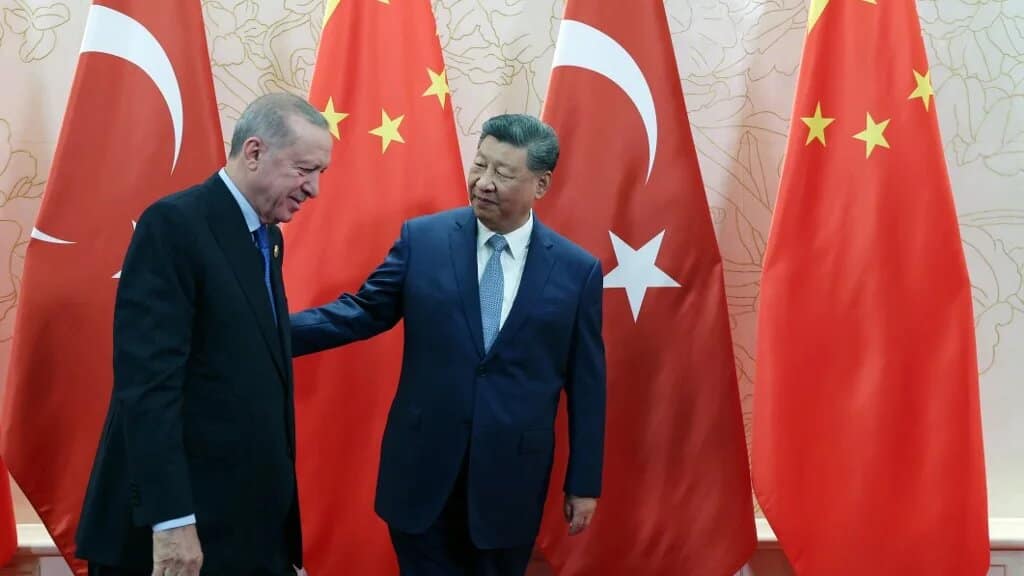
China has intensified its public relations efforts in Turkey following the embarrassment caused by BYD's decision to pause its planned electric vehicle plant investment. Experts suggest this is a propaganda blitz to counter negative sentiment and manage bilateral relations, particularly concerning the Uyghur issue.

✉Newsletter

PiQ Daily

Pick your topics. Get only what matters, on your cadence.

Key Numbers

45,000BYD vehicles sold in Turkey in 2025
$500m - $1bnEstimated additional profits for BYD from Turkish market
June 2024Hakan Fidan's visit to Xinjiang
Eight-dayDuration of press junket for Turkish journalists

Who's Involved

BYD
Electric vehicle company that paused Turkish plant investment
Turkish government
Granted tax breaks to BYD before plant construction
Chinese embassy in Ankara
Placing propaganda articles in pro-government media
Xi Jinping
Author of 'The Governance of China', promoted by embassy
Nurettin Akcay
Academic specializing in Chinese affairs, critical of China's lobbying
Hakan Fidan
Turkish Foreign Minister who visited Xinjiang
Jiang Xuebin
Chinese Ambassador who met with Fatih Erbakan
Fatih Erbakan
Chairman of the New Welfare Party
Turkey-China Friendship Foundation
Chinese state-funded entity that organized a press junket
China ramps up PR in Turkey after BYD plant collapse

↳ Why This Matters

China's intensified public relations campaign in Turkey highlights its efforts to manage international perceptions and maintain economic ties amidst investment setbacks and ongoing geopolitical sensitivities, particularly concerning human rights issues.

Key facts

  • China has increased its public relations activities in Turkey following the collapse of BYD's planned investment.
  • BYD paused its Turkish plant construction in June, prioritizing European production.
  • Turkey had granted BYD generous tax breaks on vehicle sales before the plant was built.
  • BYD's sales in Turkey surged due to these incentives, potentially yielding $500m-$1bn in additional profits.
  • Chinese embassy in Ankara is placing unsigned propaganda articles in pro-government media.
  • A China-funded foundation organized a press junket for Turkish journalists to Xinjiang, focusing on positive narratives.
  • China is engaging with Turkish opposition parties, particularly regarding the Uyghur issue.

China has significantly increased its public relations activities in Turkey following the negative publicity generated by BYD's decision to halt its planned electric vehicle plant investment in the country. The BYD situation was a considerable embarrassment for the Turkish government, which had offered substantial tax incentives to the company prior to the plant's construction. These incentives, combined with a new commercial strategy, led to a surge in BYD's sales in Turkey, with experts estimating the company may have earned between $500 million and $1 billion in additional profits due to these advantages.

One Turkish government consultant described the situation as China engaging in a "propaganda blitz" to counteract the damage to its image. The consultant also noted that Ankara had grown weary of Chinese negotiation tactics, which often involved creating an impression of agreement only to reopen talks with further demands.

Evidence of this public relations campaign includes unsigned propaganda articles placed by the Chinese embassy in Ankara in pro-government media outlets, emphasizing the strong ties between the Chinese Communist Party and Turkey's ruling Justice and Development Party (AKP). The embassy has also promoted the launch of Volume Five of Xi Jinping: The Governance of China.

Nurettin Akcay, an academic specializing in Chinese affairs, stated that the BYD crisis contributed to negative sentiment towards China in Turkey. He noted that while China's public diplomacy activities have increased quantitatively, such efforts have been ongoing for a long time, including invitations to journalists and opinion leaders to visit China.

The relationship between Turkey and China has been strained, particularly over the Uyghur issue. Despite Turkey's efforts to minimize media coverage of Uyghur suffering to secure Chinese investment, promised investments in electric vehicle plants by BYD and Chery have yet to materialize.

Akcay's critical reporting on China has led to scrutiny, with his alma mater, Shanghai University, requesting he cease referencing his PhD completion there. He believes China is focusing on "elite engagement," showcasing a curated image of the country.

Recently, the Turkey-China Friendship Foundation, a Chinese state-funded entity, organized an eight-day press junket for Turkish journalists from opposition media outlets to the Xinjiang Uyghur Autonomous Region. The resulting reports focused on "terrorist" attacks and China's integration efforts, rather than allegations of mistreatment of Uyghurs, mirroring language used in official Chinese narratives.

Human Rights Watch has reported on China's continued ideological controls and forced assimilation of Tibetans and Uyghurs, with no accountability for alleged crimes against humanity in Xinjiang. Akcay commented that such visits present a positive picture without the full context.

China's influence efforts have also extended to opposition parties in Turkey, including the New Welfare Party and the Turkish nationalist Victory Party. Akcay believes China is cultivating relations with these parties to minimize domestic criticism within Turkey and prevent radical counter-campaigns.

Frequently asked questions

BYD stated it was prioritizing production in Europe, though the decision followed damage to China's image in Turkey and potentially renegotiation tactics.

China is employing a 'propaganda blitz' and 'elite engagement' strategy, using media outreach and curated visits to improve its image and minimize criticism, especially regarding the Uyghur issue.

The tax breaks and new commercial strategy led to a surge in BYD sales in Turkey, potentially generating $500 million to $1 billion in additional profits for the company.

The Uyghur issue has been a significant obstacle in Turkey-China relations, with China attempting to address it through high-level visits and engagement with opposition parties.

What Happens Next

01China will likely continue its public relations and engagement strategies in Turkey.
02Further developments are expected regarding Chinese investment in Turkey's electric vehicle sector.
03The Uyghur issue may continue to influence Turkey-China relations.

Get the newsletter.

Pick the topics you actually care about. We'll email when there's news worth your time, on the cadence you choose. Cancel any time from your account.

Cadence

How It Developed

BYD paused work on a planned plant in Turkey in June, prioritizing European production.
The BYD decision was an embarrassment for the Turkish government, which had offered tax breaks.
BYD sales in Turkey surged due to incentives, potentially earning the company $500m-$1bn in additional profits.
A Turkish government consultant stated China is engaged in a propaganda blitz to improve its image.
The Chinese embassy in Ankara has published unsigned articles in pro-government media.
The embassy promoted Xi Jinping's book across government-aligned media.
An academic noted a quantitative increase in China's public diplomacy activities in Turkey.
Chinese authorities invited journalists and opinion leaders to visit China prior to the BYD issue.

Sources

T1
China steps up 'propaganda blitz' in Turkey amid fallout from collapse of BYD electric vehicle plant planMiddle East Eye

Related Stories

China signals start of leaders' secretive Beidaihe summer retreat
3 Aug · 11:11 AM
Euro zone factory output surges but demand remains weak
3 Aug · 7:06 AM
China's Chery to invest $75 million in KG Mobility, eyes overseas markets
3 Aug · 12:04 AM
CXMT plans second Beijing chip plant, seeks funding
3 Aug · 8:28 AM
China EV sales slump in July, sparking price war concerns
2 Aug · 11:06 PM