Key facts
- Bangladesh is partnering with Turkey and China to develop a domestic drone industry.
- The country will locally produce Chinese CETC XY-I drones under license.
- Bangladesh already operates Turkish Bayraktar TB2 combat drones.
- A joint venture drone factory with Turkey is planned for Bogura.
- Analysts express concern that replicating Turkish technology with Chinese systems undermines defense partnerships.
Bangladesh is actively working to establish a domestic drone manufacturing industry by forging partnerships with Turkey and China. This strategic initiative marks a significant departure from its historical reliance on importing military hardware, signaling a move towards indigenous production capabilities.
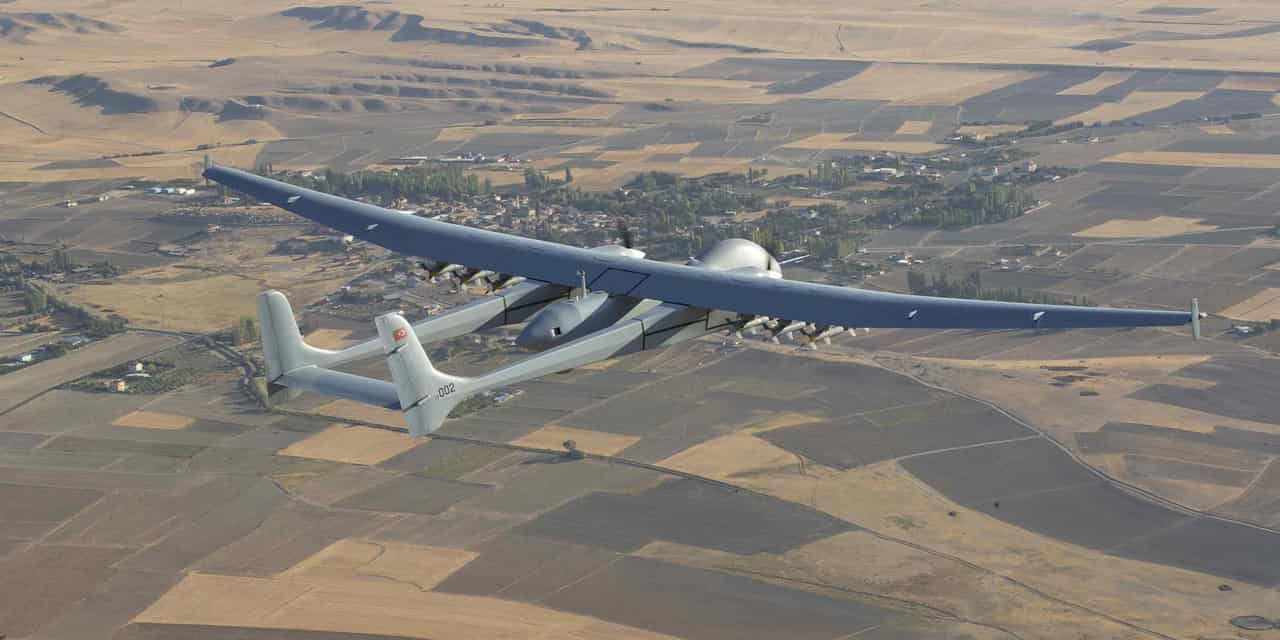
The country's approach involves a dual-track policy: operating combat-proven Turkish Bayraktar TB2 drones while simultaneously committing to the licensed local production of China's CETC XY-I. Defense analysts have pointed out that the XY-I is conceptually derived from the Turkish system, raising concerns about undermining existing partnerships and normalizing the replication of allied technology. One analyst warned that this strategy compromises alliance trust for short-term industrial access.
Bangladesh has signed a drone manufacturing agreement with CETC International, valued at approximately $50 million. Concurrently, a joint venture drone manufacturing factory with Turkey is slated to be established in Bogura. This facility will be situated adjacent to an airport undergoing upgrades to international standards and a planned Bangladesh Air Force base in the district. The project was announced by Prime Minister Tarique Rahman.
This dual procurement strategy places Bangladesh at a geopolitical intersection, balancing Turkey's expanding unmanned combat aerial vehicle (UCAV) sector with China's export-driven military-industrial complex. Concerns have been raised about potential structural inefficiencies, such as parallel sustainment chains and incompatible data-link standards, which could compromise interoperability and increase lifecycle costs.