Key facts
- Amazon is phasing out its local fulfillment services in Singapore, including Amazon Fresh, effective July 6.
- The company's withdrawal from Singapore signifies its exit from the broader Southeast Asian e-commerce market.
- Amazon entered Singapore in 2017 with ambitions to expand into other regional markets.
- Competitors like Alibaba and Sea have made significant investments in their e-commerce platforms in Southeast Asia.
- Local players like Lazada focused on localized strategies and partnerships, such as bundling services with Uber and Netflix.
Amazon has effectively admitted defeat in Singapore, announcing the phase-out of its local fulfillment services, including Amazon Fresh, starting July 6. This move signals the U.S. e-commerce giant's withdrawal from the Southeast Asian market after nearly eight years.
Launched in 2017, Amazon's Singapore operation was intended as a beachhead into the region's burgeoning e-commerce landscape. However, the company did not expand into key growth markets like Indonesia, Vietnam, or Thailand, nor neighboring Malaysia. Even in Singapore, its market share was estimated at a modest 6%.
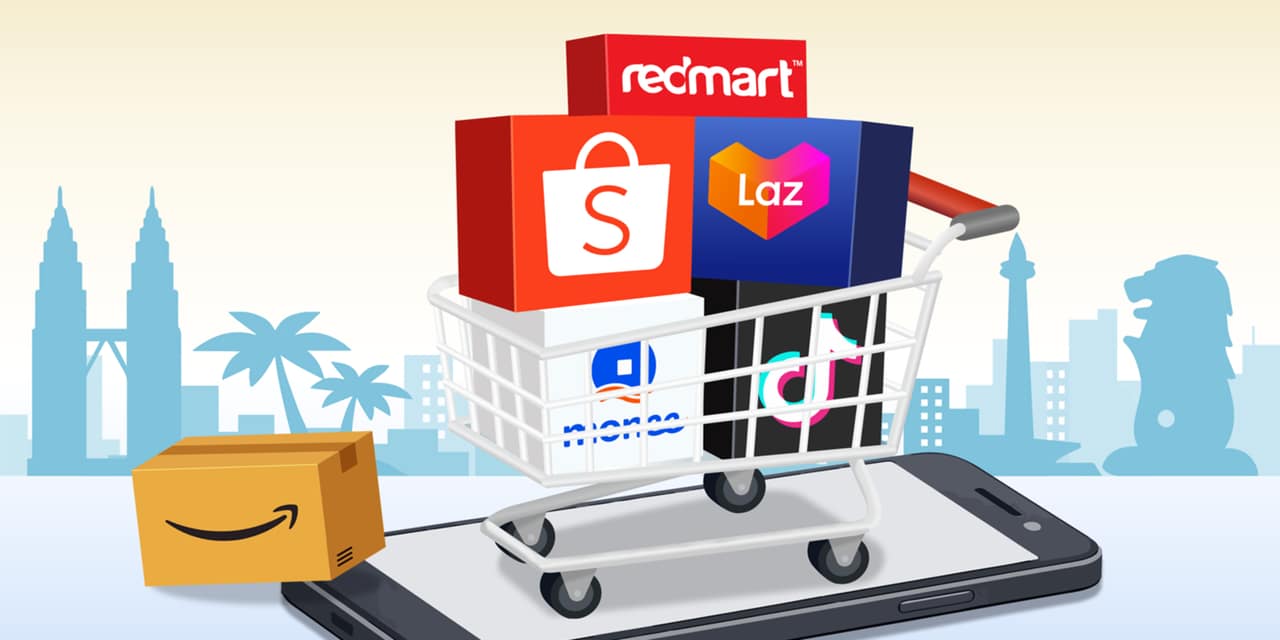
Competitors such as Alibaba, which acquired Lazada in 2016, and Sea, the parent company of Shopee, made substantial investments and pursued aggressive localization strategies. Lazada, for instance, partnered with Uber and Netflix to create a bundled loyalty program, LiveUp, and acquired local food delivery business RedMart, moves that Amazon reportedly hesitated to match.
Industry observers suggest Amazon's failure stemmed from approaching Southeast Asia as an extension of Western markets, rather than recognizing its fragmented nature with diverse languages, logistics, consumer behaviors, and infrastructure. Competitors succeeded by prioritizing relevance and investing billions over extended periods, a commitment Amazon did not replicate, choosing instead to remain largely confined to Singapore.