Key facts
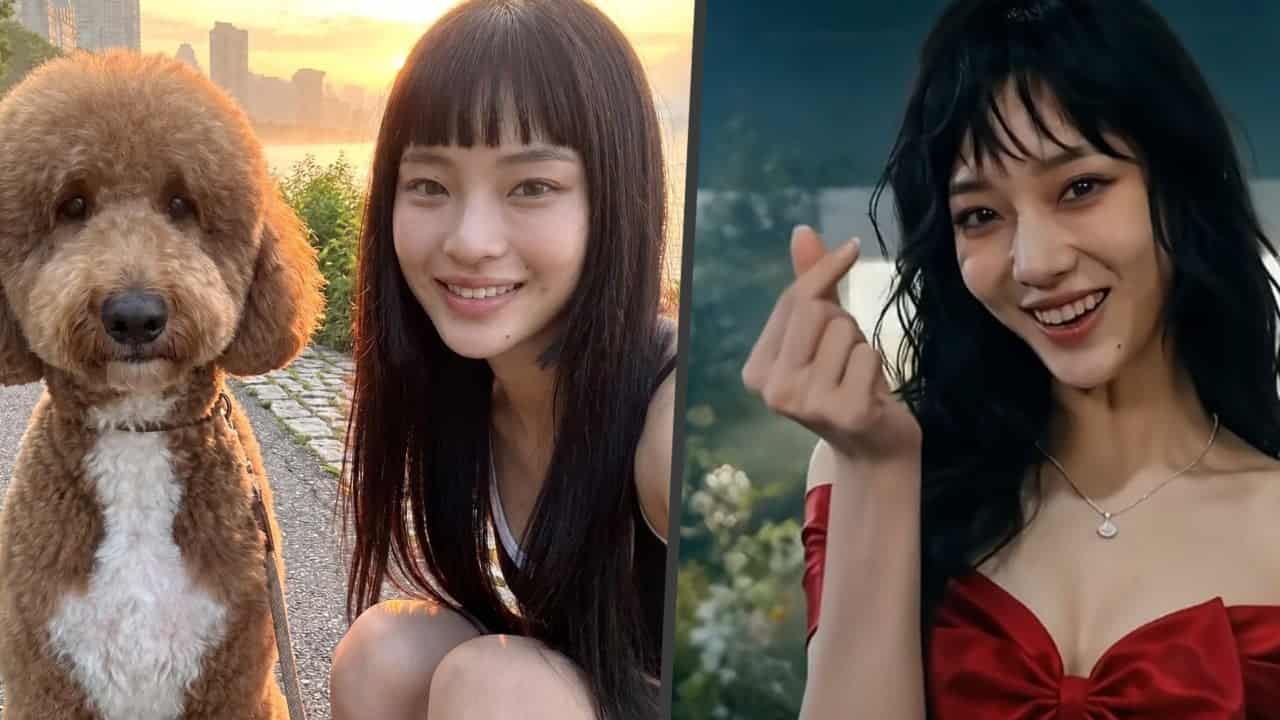
- An AI-generated virtual actress has appeared in a trending Chinese drama.
- The development is raising concerns within the entertainment industry.
- Key concerns include deepfakes and disinformation.
- Ethical implications of AI-generated content are being discussed.
- The technology allows for the creation of realistic digital performers.
The emergence of an AI-generated virtual actress in a trending Chinese drama has ignited substantial apprehension throughout the entertainment sector. This technological advancement brings to the forefront critical issues surrounding the potential misuse of deepfakes, the propagation of disinformation, and the complex ethical landscape of AI-created content. Industry experts are expressing unease over the rapid progress in AI capabilities, which now allow for the creation of highly realistic digital actors. This development challenges traditional notions of performance and authenticity, prompting a re-evaluation of content creation processes and regulatory frameworks. The virtual actress's presence in a widely viewed production underscores the growing integration of AI into creative industries and the urgent need to address the associated risks. Concerns are centered on the potential for such technology to be exploited for malicious purposes, including the creation of fabricated scenarios or the impersonation of real individuals. The ethical implications extend to issues of intellectual property, labor displacement, and the very definition of artistic creation in an era of advanced artificial intelligence. As AI continues to evolve, the entertainment industry faces a pivotal moment in determining how to harness its potential responsibly while mitigating its inherent dangers.