Key facts
- Chinese technology companies are developing AI-powered helmets for delivery riders.
- The helmets aim to enhance safety and efficiency for delivery personnel.
- Features include navigation, voice commands, and hazard detection.
- Hazard detection is designed to alert riders to potential dangers on the road.
- This initiative reflects a trend of integrating AI into everyday services.
- The goal is to optimize operations and improve working conditions in the gig economy.
- Companies aim to reduce traffic incidents involving delivery personnel.
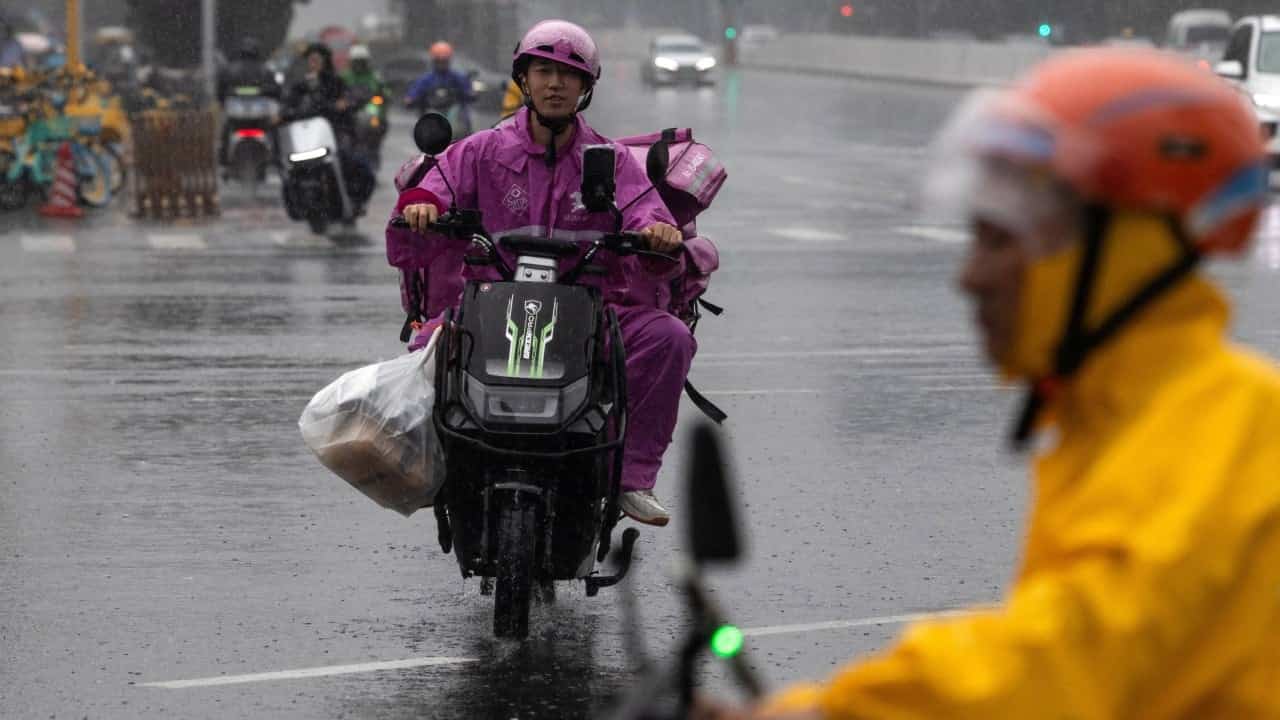
Chinese technology firms are actively developing and integrating artificial intelligence into helmets designed for delivery riders. These smart helmets aim to significantly enhance both the safety and efficiency of riders, who are a crucial part of China's extensive delivery network. Key features being incorporated include advanced navigation systems, hands-free voice command capabilities, and sophisticated hazard detection systems. The hazard detection is expected to alert riders to potential dangers on the road, such as sudden braking by vehicles ahead or unexpected obstacles, thereby reducing the risk of accidents.
This technological advancement is part of a larger movement within China to embed AI into various everyday services and industries. The goal is to leverage AI to optimize operations, improve user experience, and address specific challenges faced by workers in the gig economy. For delivery riders, this means potentially smoother routes, fewer distractions, and a greater awareness of their surroundings, all contributing to a safer working environment. The integration of AI is seen as a way to modernize the delivery sector and improve the working conditions for millions of individuals.
The development of AI-powered helmets underscores the increasing reliance on technology to solve practical problems in densely populated urban environments. By providing riders with tools that can anticipate and react to road conditions, companies hope to decrease the number of traffic incidents involving delivery personnel. This initiative also reflects the broader economic importance of the delivery sector in China and the efforts being made to ensure its sustainable and safe operation through technological innovation.