Key facts
- China has updated its regulations for autonomous driving.
- The new regulations emphasize data security and local compliance.
- These rules present a challenge for Tesla's FSD system to enter the Chinese market.
- CATL has unveiled a new battery technology.
- The new battery technology could boost the range and safety of eVTOL aircraft.
- This development may accelerate China's flying car industry.
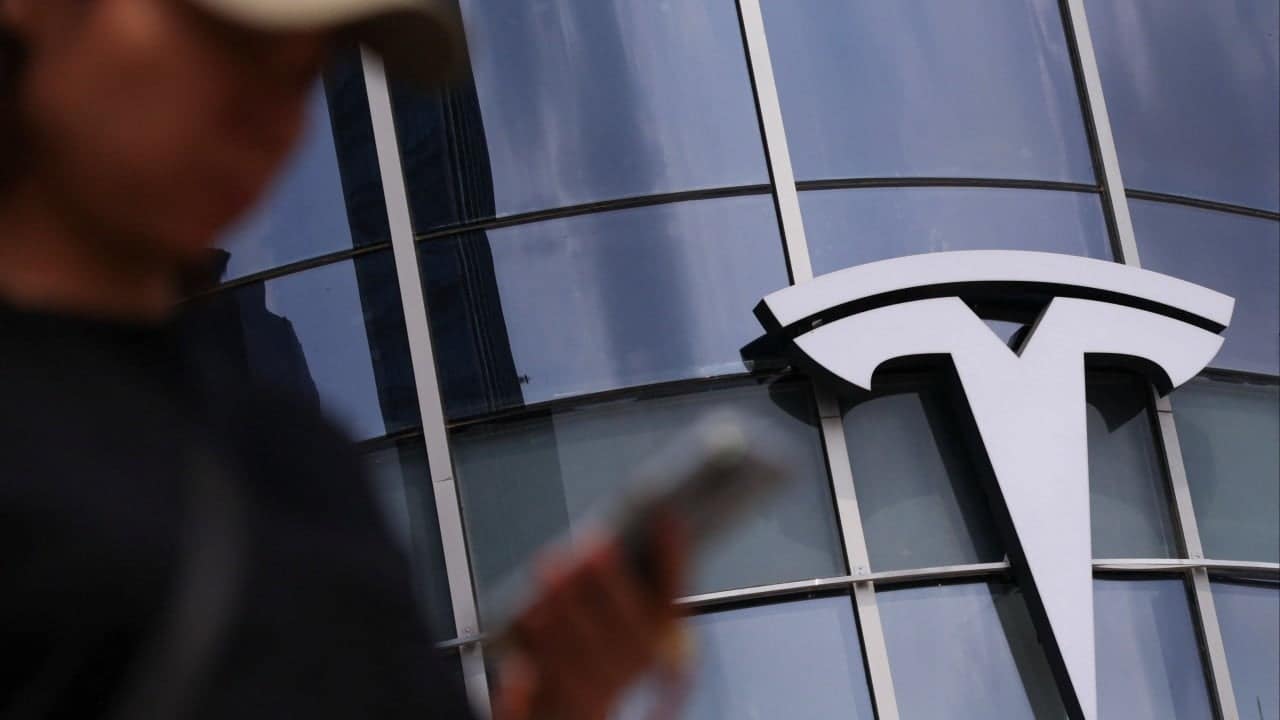
Industry analysts suggest that China's newly updated regulations for autonomous driving pose a significant challenge for Tesla's Full Self-Driving (FSD) system to enter the Chinese market. The core of the issue lies in the new rules' emphasis on data security and local compliance, which could complicate Tesla's expansion strategies in a market considered crucial for its growth. These regulations may require Tesla to adapt its FSD technology and data handling practices to meet China's specific requirements, potentially leading to delays or increased costs for its market entry.
In a separate development within China's advanced technology sector, Chinese battery manufacturer CATL has revealed a new battery technology. This innovation is anticipated to substantially improve the range and safety of electric vertical takeoff and landing (eVTOL) aircraft. The advancement by CATL could serve as a catalyst for the burgeoning flying car industry in China, potentially accelerating the timeline for the deployment and widespread adoption of such vehicles.
The implications of these two distinct developments highlight China's strategic focus on both cutting-edge automotive technology and advanced aerospace applications. While Tesla faces regulatory scrutiny for its autonomous driving ambitions, CATL's battery breakthrough signals progress in enabling next-generation transportation solutions.