Key facts
- Pakistan launched its first state-level critical data center.
- The data center was built with technology from China's ZTE.
- The launch has ignited a debate about Pakistan's digital sovereignty.
- Experts warn of security risks associated with the data center.
- Concerns include potential dependence on Beijing.
- Domestic military involvement is part of the project.
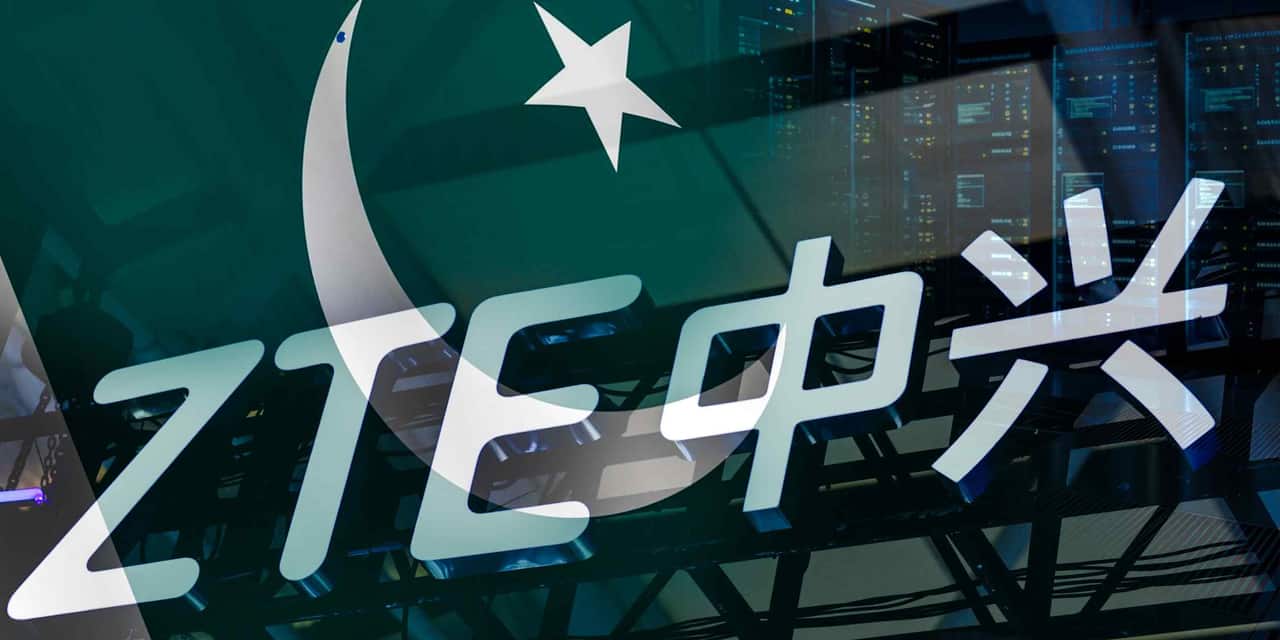
Pakistan's inauguration of its inaugural state-level critical data center, a project developed with technology from China's ZTE, has triggered a significant discussion surrounding the nation's digital sovereignty. The facility's launch has drawn attention from experts who are raising alarms about potential security vulnerabilities and the risk of becoming overly dependent on China for critical digital infrastructure. Despite the involvement of Pakistan's domestic military in the project, the reliance on Chinese technology has intensified concerns among security analysts and digital rights advocates. These experts point to the inherent risks associated with entrusting sensitive national data to systems built and potentially controlled by a foreign power. The debate centers on whether Pakistan can truly maintain control over its digital assets and citizen data when its foundational infrastructure is dependent on a foreign nation. The implications for national security, economic stability, and individual privacy are being closely examined as the country navigates this new technological frontier.