Key facts
- China is exploring the use of quantum technology for its power grid.
- The goal is to enhance grid stability and efficiency.
- Preventing blackouts is a key objective.
- Quantum technology could enable more precise control of energy flow.
- The technology may allow for better prediction of energy flow.
- This initiative aims to modernize China's energy infrastructure.
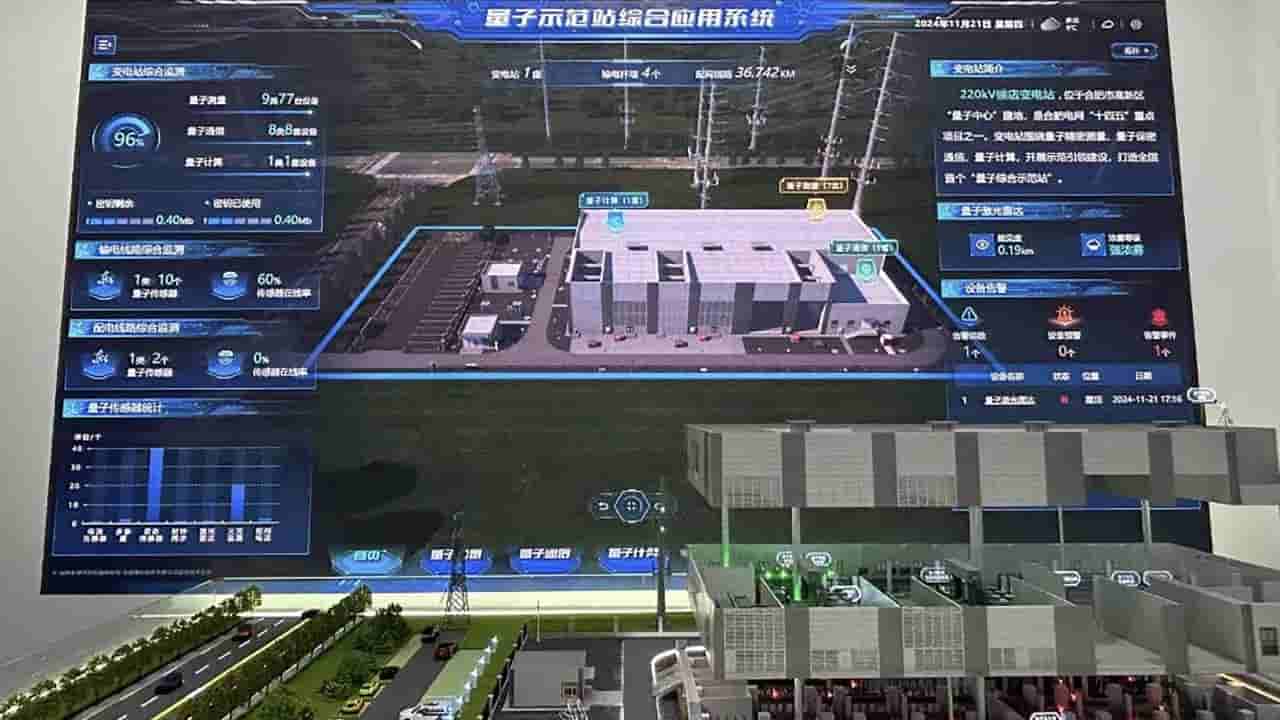
China is actively exploring the integration of quantum technology into its power grid infrastructure. The primary objective of this endeavor is to enhance the grid's stability and efficiency, thereby preventing widespread blackouts. By harnessing the advanced computational power of quantum technology, China aims to achieve more precise control and prediction of energy flow across its vast network.
This exploration into quantum technology for grid management could enable more sophisticated forecasting of energy demand and supply, allowing for proactive adjustments to prevent overload or shortages. The potential for enhanced predictive capabilities is a key driver, as it could significantly reduce the risk of disruptions. Such advancements are crucial for a nation reliant on a stable and consistent energy supply for its economic and social functions.
The development signifies China's commitment to leveraging cutting-edge technological solutions for critical infrastructure. The application of quantum technology in this sector is still in its nascent stages globally, positioning China at the forefront of this potential energy revolution. The successful implementation could serve as a model for other nations seeking to modernize their power grids against increasing demands and the challenges of renewable energy integration.