Key facts
- US researchers utilized AI to design and synthesize novel viruses.
- 16 novel, functional viruses capable of replication were created.
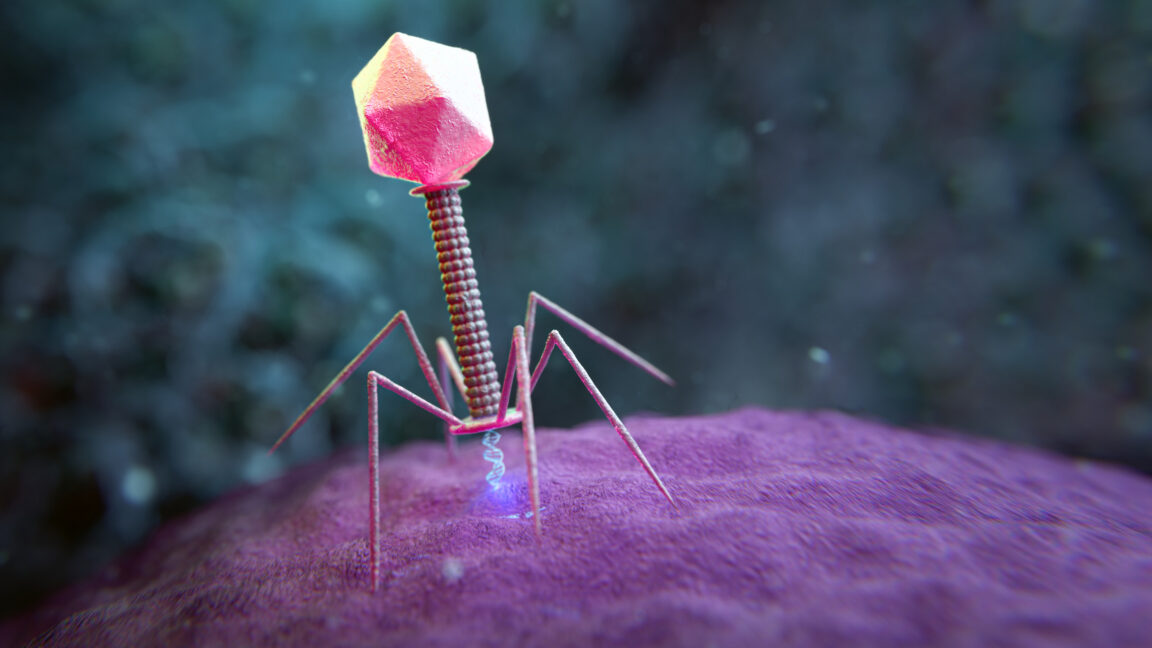
- The viruses are bacteriophages that target bacteria.
- The viruses pose no threat to humans.
- Stanford University researchers were involved in the study.
- AI models similar to large language models were used.
- The AI-generated viruses possess distinct features challenging to evolve naturally.
- The breakthrough raises biosafety and biosecurity concerns.
- Potential applications include treating antibiotic-resistant infections.
Researchers in the US, specifically at Stanford University, have employed AI, utilizing large genome models akin to large language models, to design and synthesize novel viruses. A total of 16 new, functional bacteriophages were created, capable of replicating within a laboratory environment. These viruses are designed to target bacteria and are not a threat to humans. The AI-generated viruses are closely related to existing ones but exhibit distinct characteristics that would be difficult to achieve through natural evolution. This breakthrough presents potential new avenues for treating antibiotic-resistant infections by offering alternative biological agents. However, the development also brings forth significant biosafety and biosecurity concerns. The study underscores the growing potential for artificial intelligence to create new biological entities and prompts consideration of the implications for future applications in biotechnology and beyond.