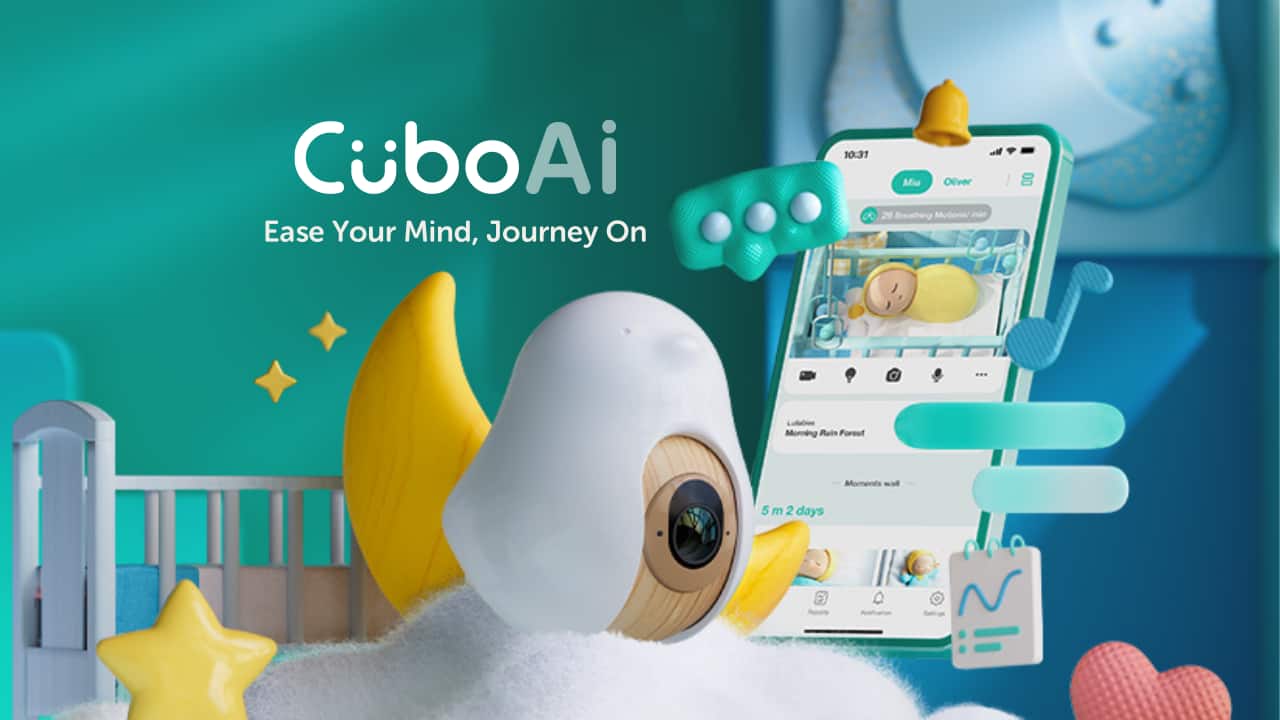
AI-powered baby monitors from companies like Nanit and CuboAi are raising concerns about continuous surveillance, offering features beyond nighttime monitoring such as sleep tracking, safety alerts, and photo capture. This has ignited debates over data privacy and potential misuse of sensitive child-related data. Concurrently, OpenAI CEO Sam Altman's suggestion to use ChatGPT for personalized children's morning podcasts has also drawn criticism for potentially diminishing human interaction, echoing similar past proposals.
✉Newsletter
PiQ Daily
Pick your topics. Get only what matters, on your cadence.
Who's Involved
Nanit
company developing AI-powered baby monitors
CuboAi
company developing AI-powered baby monitors
Sam Altman
OpenAI CEO suggesting AI for children's content
OpenAI
company developing ChatGPT
Satya Nadella
Microsoft CEO who previously commented on AI in parenting
Microsoft
company whose CEO commented on AI in parenting
1 / 2
Key facts
AI-powered baby monitors from Nanit and CuboAi offer features like sleep tracking, safety alerts, and photo capture.
These AI baby monitors are raising concerns about continuous surveillance and data privacy.
OpenAI CEO Sam Altman suggested using ChatGPT to create personalized morning podcasts for children.
Altman's suggestion has sparked debate about AI potentially replacing human interaction.
Similar ideas about AI in parenting have been previously suggested by Sam Altman and Satya Nadella.
The debate highlights concerns over data privacy and the ethical implications of AI in child-rearing.
AI-powered baby monitors are increasingly raising concerns about pervasive surveillance, extending beyond traditional nighttime monitoring to continuous tracking of children's activities. Companies such as Nanit and CuboAi are developing devices that leverage AI for advanced features including sleep tracking, safety alerts, and even photo capture. These capabilities have prompted significant discussions regarding data privacy and the potential for misuse of sensitive information collected on young children. The ongoing development and adoption of these technologies highlight a growing trend where AI is integrated into intimate aspects of family life, leading to questions about the ethical implications and the boundaries of digital monitoring.
In parallel, OpenAI CEO Sam Altman has sparked a viral debate with his suggestion to utilize ChatGPT for creating personalized morning podcasts for children. This proposal, which aims to deliver tailored content to young listeners, has drawn criticism from various quarters. Critics argue that such AI-driven content creation could potentially replace valuable human interaction and engagement, which are crucial for a child's development. This idea is not entirely new, as it echoes past comments made by Altman and Microsoft CEO Satya Nadella regarding the role of AI in parenting and child-rearing. The online discourse surrounding Altman's suggestion underscores a broader societal anxiety about the increasing encroachment of AI into personal relationships and developmental processes.
The proliferation of AI in parenting tools, from surveillance monitors to content generators, represents a significant shift in how technology is being applied to child-rearing. While proponents highlight potential benefits like enhanced safety and personalized learning, critics emphasize the risks associated with data privacy, algorithmic bias, and the erosion of human connection. These contrasting viewpoints fuel an ongoing debate about the appropriate role of AI in the lives of children and the ethical frameworks needed to govern its use.
↳ Why This Matters
AI-powered baby monitors are increasingly raising concerns about pervasive surveillance, extending beyond traditional nighttime monitoring to continuous tracking of children's activities. Companies such as Nanit and CuboAi are developing devices that leverage AI for advanced features including sleep tracking, safety alerts, and even photo capture. These capabilities have prompted significant discussions regarding data privacy and the potential for misuse of sensitive information collected on young children. The ongoing development and adoption of these technologies highlight a growing trend where AI is integrated into intimate aspects of family life, leading to questions about the ethical implications and the boundaries of digital monitoring.
Frequently asked questions
The CuboAi Smart Baby Monitor 3 offers AI-powered alerts for issues like rollover, coughing, or covered face, 2.5K HD video, night vision, and a non-contact chest movement sensor pad.
The ACLU is concerned that companies like Palantir and Babel Street are aggregating personal data for government use, enabling tracking, profiling, and potential repression of activists and citizens.
The ACLU is advocating for comprehensive data privacy legislation in Massachusetts to hold big tech companies accountable and prevent the exploitation of personal data by federal authorities.
What Happens Next
01The Massachusetts House is considering data privacy legislation.
02The ACLU is working to pass comprehensive data privacy legislation.
03Further developments are expected regarding the application of AI in consumer products and government surveillance.
Get the newsletter.
Pick the topics you actually care about. We'll email when there's news worth your time, on the cadence you choose. Cancel any time from your account.