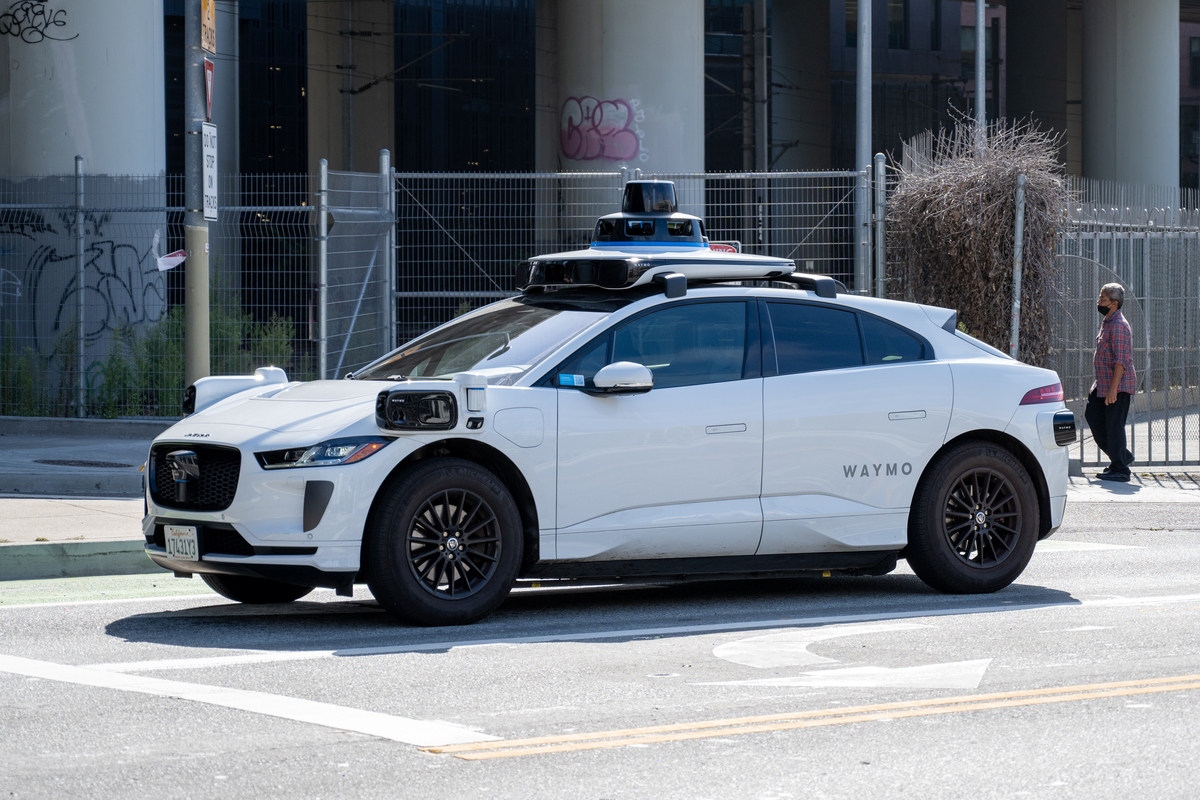
A dispute over the regulation of robotaxis has significantly strained the relationship between autonomous vehicle company Waymo and ride-hailing giant Uber, impacting their existing partnership and raising questions about their upcoming London launches.
Sources familiar with the matter indicate that the central issue is whether new regulations should favor hybrid ride-hailing models, where robotaxis operate alongside human drivers, or permit autonomous vehicle companies to run their own distinct services. Uber advocates for hybrid models, citing increased passenger choice and practicality, while Waymo desires operational freedom for autonomous vehicle companies to determine their market entry strategies.
This disagreement has cast a shadow over one of the autonomous vehicle industry's most prominent collaborations. Currently, Uber operates Waymo's driverless taxi service in Austin and Atlanta, allowing passengers to access Waymo vehicles through the Uber app. However, this arrangement is set to change, with Waymo planning to launch its own app in these cities from January 2028, ending Uber's exclusivity. Waymo vehicles will continue to be available on Uber's platform until at least May 2028, when their current agreement concludes.
A Waymo spokesperson emphasized the importance of a collaborative ecosystem that fosters innovation and offers riders choices in experiencing autonomous technology. Uber, meanwhile, stated its commitment to working with multiple autonomous vehicle partners, including Zoox, Nuro, and Avride, and anticipates expanding its driverless offerings.
The regulatory conflict is partly fueled by proposed legislation in Washington D.C., where Uber has expressed concerns that the draft bill could impede the operation of robotaxis alongside human drivers on the same platform. Uber argues that hybrid networks ensure service continuity for journeys that autonomous vehicles may not be able to complete. However, committee chair Charles Allen has clarified that the legislative intent is not to ban or restrict hybrid networks and that lawmakers are open to amending the wording to remove ambiguity.
Both companies are simultaneously preparing to introduce driverless taxi services in London. Waymo has been conducting trials on London streets and intends to launch a commercial service once the UK's new automated vehicle regulations are enacted. Uber is collaborating with the British self-driving technology firm Wayve, which is also trialing autonomous vehicles in the capital, as it gears up for its own driverless ride-hailing rollout.