Key facts
- The U.S. is preparing to inform countries they must choose between a U.S.-led AI coalition and China's competing framework.
- Countries that join China's AI initiative risk exclusion from the U.S.-led Pax Silica initiative.
The U.S. is preparing to warn countries they must choose between a U.S.-led AI coalition and China's competing framework, threatening exclusion from the former if they join the latter. This move aims to limit China's access to resources in the AI race.
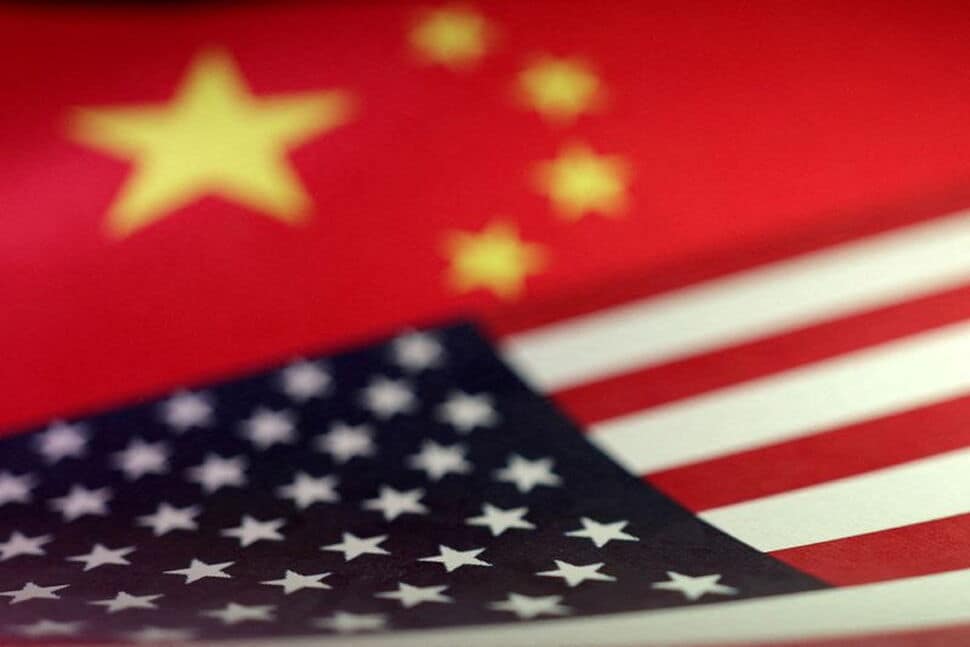
This U.S. policy signals an intensifying geopolitical struggle for technological supremacy, particularly in AI, forcing nations to align with either the U.S. or China and potentially fragmenting global cooperation in a critical emerging technology.
The United States is preparing to instruct dozens of countries to choose sides in the escalating artificial intelligence race with China. According to a U.S. official and an internal draft reviewed by Reuters, nations that align with Beijing's competing AI framework will be excluded from a U.S.-led coalition. Washington launched the Pax Silica initiative last year to secure supply chains for AI models, semiconductors, and critical minerals amidst a fierce technology rivalry with China.
Approximately two dozen countries have joined Pax Silica, including close U.S. allies like Japan, Australia, and South Korea. However, Kazakhstan, a key potential source of critical minerals, has also joined China's coalition, raising concerns in Washington. A draft letter from the State Department, addressed to signatories of a U.S. "AI Opportunity Statement," emphasizes that participation in duplicative initiatives with conflicting expectations undermines a country's commitment and credibility as a partner.
The U.S. strategy aims to limit China's access to resources necessary for developing sophisticated AI, which could be leveraged for military or economic dominance. In July, Chinese President Xi Jinping launched a rival "World Artificial Intelligence Cooperation Organization" to challenge U.S. influence in the rapidly advancing sector. The U.S. touted Kazakhstan's inclusion in Pax Silica in June, highlighting its significant reserves of critical minerals. China has previously used its near-monopolies over critical minerals as a retaliatory measure during trade disputes.