Key facts
- Karen Murray uses JubileeTV to remotely control her mother Marion's television, music, and communication.
- JubileeTV includes a built-in camera for remote visual monitoring.
- A variety of smart home appliances, including refrigerators, stoves, and showers, are being developed to assist elderly individuals living independently.
- These technologies often incorporate AI for pattern detection, anomaly identification, and motion tracking.
- The aim of these products is to support aging in place, reduce caregiver stress, and enhance safety, rather than replace human interaction.
- The cost of these devices can be a significant barrier for some families.
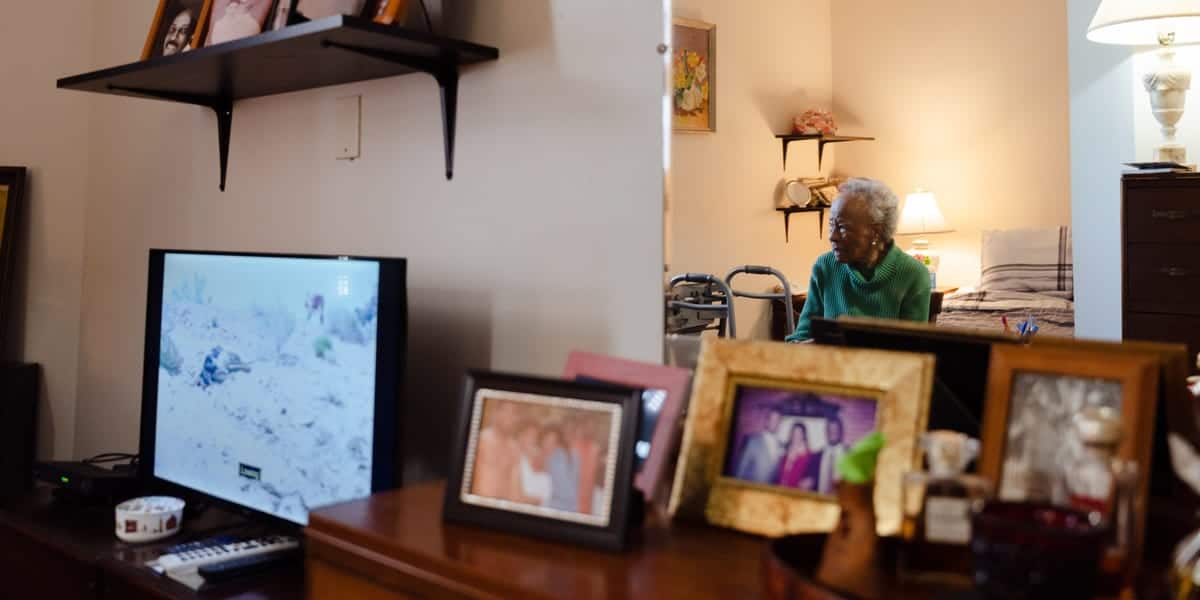
Families are increasingly turning to technology to help elderly relatives live independently for longer, aiming to reduce the financial burden of assisted living and provide peace of mind. Karen Murray, for example, uses JubileeTV to manage her 93-year-old mother Marion's television, music, and communication remotely. The device, which resembles a normal TV, allows Karen to control it from her phone and includes a built-in camera for visual check-ins, fostering a stronger bond between mother and daughter.
This trend extends beyond specialized TVs, with a growing market of smart home appliances like refrigerators, stoves, ovens, and showers designed with caregiving functionalities. These products often leverage artificial intelligence to monitor activity, detect anomalies, and simplify daily tasks. Samsung refrigerators track food inventory, while smart stoves feature automatic shutoff systems. Other devices offer WiFi and voice control for ease of use, and platforms like Uniper Care and Onscreen provide remote telehealth and communication features.
While the goal is to support and reassure families, the cost of these advanced technologies can be a significant barrier, with some devices costing thousands of dollars plus annual subscriptions. Despite this, many families are eager to experiment with solutions that can help their loved ones remain safe and self-sufficient, emphasizing that the technology aims to complement, not replace, human relationships in caregiving.