Key facts
- SpaceX's Starship rocket experienced a last-second abort before liftoff during its 13th flight test.
- The launch was scrubbed on Thursday from Starbase, Texas.
- The abort occurred as the Super Heavy booster's 33 engines began igniting.
- The mission is postponed by at least 24 hours.
- SpaceX is offloading propellant to ensure the rocket is in a safe configuration.
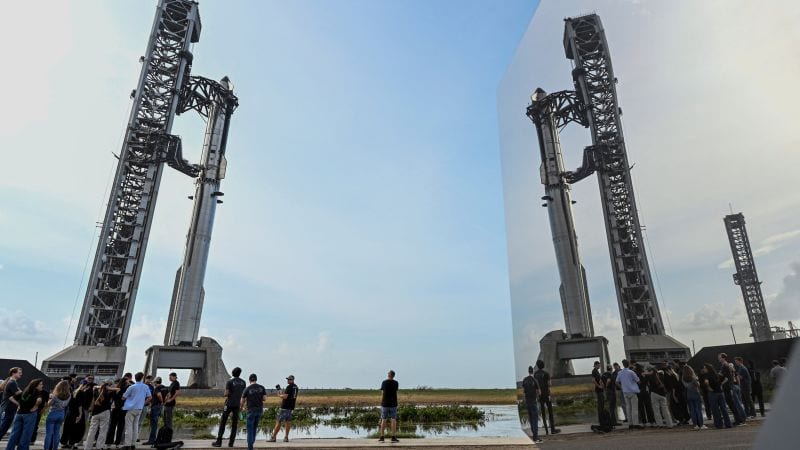
SpaceX's Starship rocket experienced a last-second abort before liftoff during its 13th flight test from Starbase, Texas, on Thursday, postponing the mission by at least 24 hours. The automated scrub occurred as the Super Heavy booster's 33 engines were beginning to ignite.
SpaceX founder Elon Musk stated on X that "Some of the engines didn’t start, triggering an automatic launch abort." He added that the company is now offloading propellant and hopes for a launch attempt in a few days. SpaceX livestream host Dan Huot confirmed that a hold was triggered on the booster as liftoff was imminent.
This marks the 13th test launch of the Starship vehicle since 2023. The rocket is the most powerful launch vehicle ever made. The abort means SpaceX cannot attempt another launch on Friday due to the late timing and the deployment of the water deluge system, which requires refilling. The company is assessing what triggered the abort and when the rocket can be recycled for another try.
SpaceX is facing pressure to prepare Starship for a crucial NASA test flight next year, which could be a step towards the next moon landing. Twenty of SpaceX’s newest and most advanced Starlinks were on board Starship for release during the planned hourlong flight. The internet satellites were going to try communicating with Starlinks already in orbit while taking photos of Starship’s heat shield. Neither the first-stage booster nor spacecraft were meant to be recovered, with both ending up in the sea.