Key facts
- SpaceX's Starship is scheduled for its 13th test flight on Friday.
- India's Vikram-1 rocket successfully reached orbit.
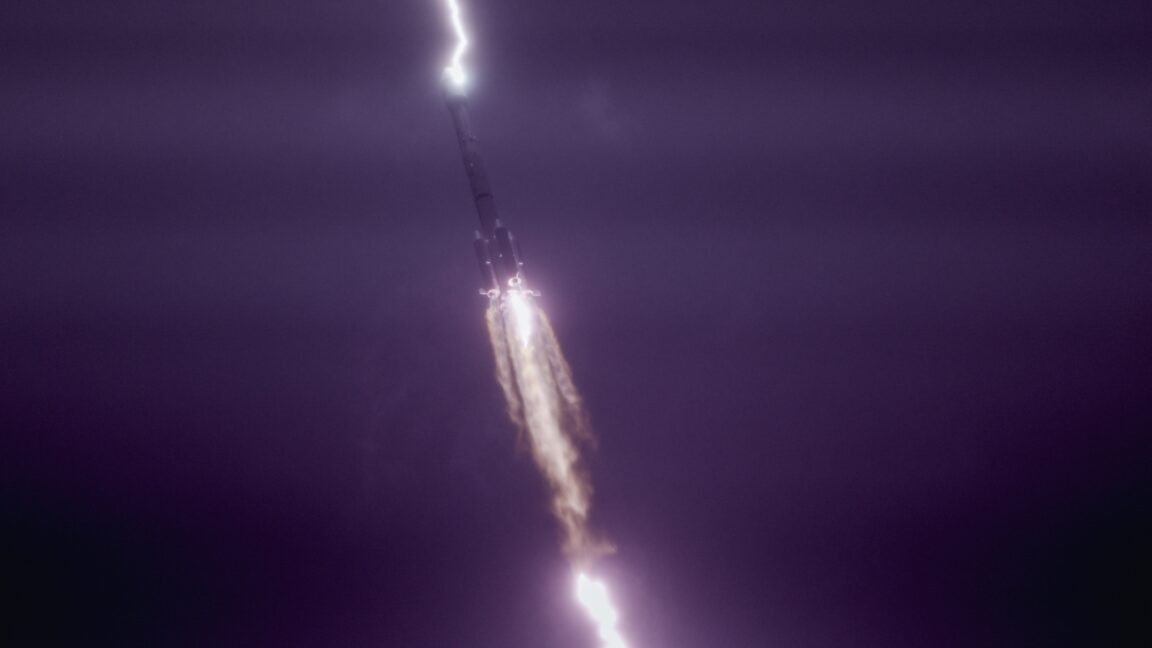
- A Chinese Long March 3B rocket was struck by lightning shortly after launch.
- Relativity Space plans a second rocket factory in Florida.
- The US Interior Department is exploring the use of offshore oil platforms for rocket launches.
- Lockheed Martin is evaluating Venus Aerospace's rotating detonation rocket engine technology.
SpaceX is preparing for the 13th test flight of its Starship rocket, with liftoff scheduled for Friday evening after a previous abort due to engine issues. Meanwhile, India celebrated the successful orbital debut of its first private rocket, Vikram-1, developed by Skyroot Aerospace. In China, a Long March 3B rocket carrying a satellite was struck by lightning shortly after its July 23, 2026, launch from the Xichang Satellite Launch Center.
Relativity Space has announced plans to construct a second rocket factory near Cape Canaveral, Florida. The U.S. Interior Department is also exploring innovative launch solutions, seeking public input on the potential use of inactive offshore oil platforms as rocket launch sites to alleviate congestion and enhance resilience. This idea is supported by figures like George Nield, a consultant and former FAA official, who noted the increasing need for launch locations.
In advanced propulsion, Lockheed Martin is collaborating with Venus Aerospace to evaluate the latter's rotating detonation rocket engine (RDRE) technology, aiming for improved efficiency and speed in missile applications. This follows Venus Aerospace's successful low-altitude flight test of the RDRE last year.
On the development front, Russia's state-backed space corporation, Roscosmos, has pushed back the projected flight test start for its reusable methane-powered Amur-LNG rocket from 2026 to 2031, indicating a significant delay in its response to SpaceX's Falcon 9. Additionally, the US Space Force is significantly increasing its investment in national security launches, tripling the maximum value of its NSSL Phase 3 contract to $17 billion due to rising demand for military satellite launches.