HomeEverythingEducationTV
Equities & FundsCrypto & Digital AssetsAI & TechnologyBusiness & CorporateUS Politics & PolicyGeopolitics & Global RiskMacro, Rates & FXCommodities & EnergyEuropean Politics & MarketsAsia-PacificReal Estate & Property
Story archiveAll categories
← All Stories

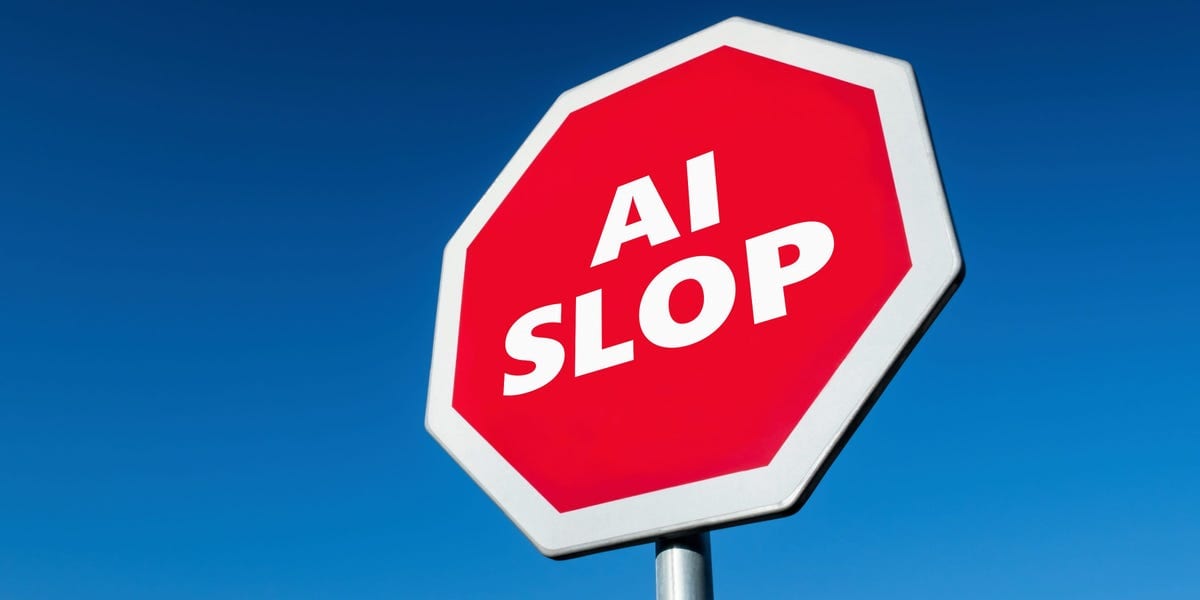
Social platforms update AI content rules amid concerns over spam

Created at 22 Jul · 12:36 AM1 source↑ Market-relevant
IN SHORT

YouTube and TikTok are revising their policies on AI-generated content, aiming to distinguish between AI used for creative enhancement and low-quality spam. The platforms are implementing new detection systems and labeling requirements to manage the proliferation of machine-generated material.

✉Newsletter

PiQ Daily

Pick your topics. Get only what matters, on your cadence.

Key Numbers

21%of YouTube's feed estimated to be AI-generated videos

Who's Involved

YouTube
platform updating AI content policies
TikTok
platform updating AI content policies
ByteDance
owner of TikTok, offering AI tools
Social platforms update AI content rules amid concerns over spam

↳ Why This Matters

These policy shifts reflect a growing concern among major social platforms about maintaining content quality and authenticity as AI capabilities advance, potentially impacting creator monetization and user experience.

Key facts

  • Social platforms like YouTube and TikTok are updating policies regarding AI-generated content.
  • YouTube aims to differentiate between AI used for creative enhancement and low-effort AI spam.
  • TikTok requires creators to label AI-generated content and is testing spam detection systems.
  • The updates reflect a tension between embracing AI and preventing the spread of low-quality machine-generated material.

Social media companies are revising their guidelines on AI-generated content, particularly for accounts that are monetized, as they grapple with the influx of machine-created material. YouTube and TikTok are among the platforms updating their policies to distinguish between AI used to enhance original storytelling and content that is mass-produced or designed to exploit the platform.

YouTube's trust and safety team clarified its stance on July 20, stating the company wants to reward creators who use AI for original storytelling rather than those who mass-produce generic content or AI personas. A YouTube spokesperson noted this is a clarification of its existing 'inauthentic content' policy, aimed at reducing ambiguity for creators who have faced demonetization for repetitive, low-effort, or emotionally manipulative videos. The platform has previously removed channels that gained millions of views by publishing AI-generated videos featuring characters like cats and Jesus. A report by video editing platform Kapwing estimated that 21% of YouTube's feed is comprised of AI-generated videos.

TikTok, along with its owner ByteDance, is actively integrating generative AI tools into its ecosystem, offering AI features for content creation and e-commerce. The company requires creators to label AI-generated content and applies invisible watermarks to some videos. TikTok is also testing enhanced detection systems to target accounts posting AI-generated spam that may overshadow original content, and has allowed users to adjust the amount of AI content in their feeds.

Frequently asked questions

YouTube is clarifying its 'inauthentic content' policy to reward AI used for enhancing original storytelling, while discouraging mass-produced generic content or AI personas.

TikTok requires creators to label AI-generated content, uses invisible watermarks, and is testing improved detection systems for AI spam.

Platforms are concerned about the proliferation of low-quality, machine-generated content that could undermine user experience and advertiser confidence.

What Happens Next

01Platforms will continue to refine AI detection systems.
02Creators may face stricter enforcement of AI content labeling rules.

Get the newsletter.

Pick the topics you actually care about. We'll email when there's news worth your time, on the cadence you choose. Cancel any time from your account.

Cadence

How It Developed

Social platforms are updating guidelines on AI-generated content, particularly for monetized accounts.
YouTube clarified its 'inauthentic content' policy to reward AI used for original storytelling over mass-produced content or AI personas.
YouTube removed channels with millions of views for posting AI-generated videos featuring generic characters.
Kapwing estimated 21% of YouTube's feed consists of AI-generated videos.
TikTok and its owner ByteDance offer AI tools for creators and use AI for e-commerce.
TikTok requires creators to label AI-generated content and uses invisible watermarks.
TikTok is testing improved detection systems for AI-generated spam.

Sources

T1
From Substack to YouTube, here are the social platforms cracking down on AI slopBusiness Insider

Related Stories

AI-generated animal videos distort wildlife perception, researchers warn
21 Jul · 12:36 PM
Deezer: Over 50% of Daily Music Uploads Now AI-Generated
21 Jul · 1:51 PM
AI's impact on jobs: Automation vs. Augmentation
22 Jul · 12:11 AM
AI hackers thwarted by 'banned topics' in security tests
21 Jul · 7:11 AM
Meta tests AI bedtime story app for children
22 Jul · 12:06 AM