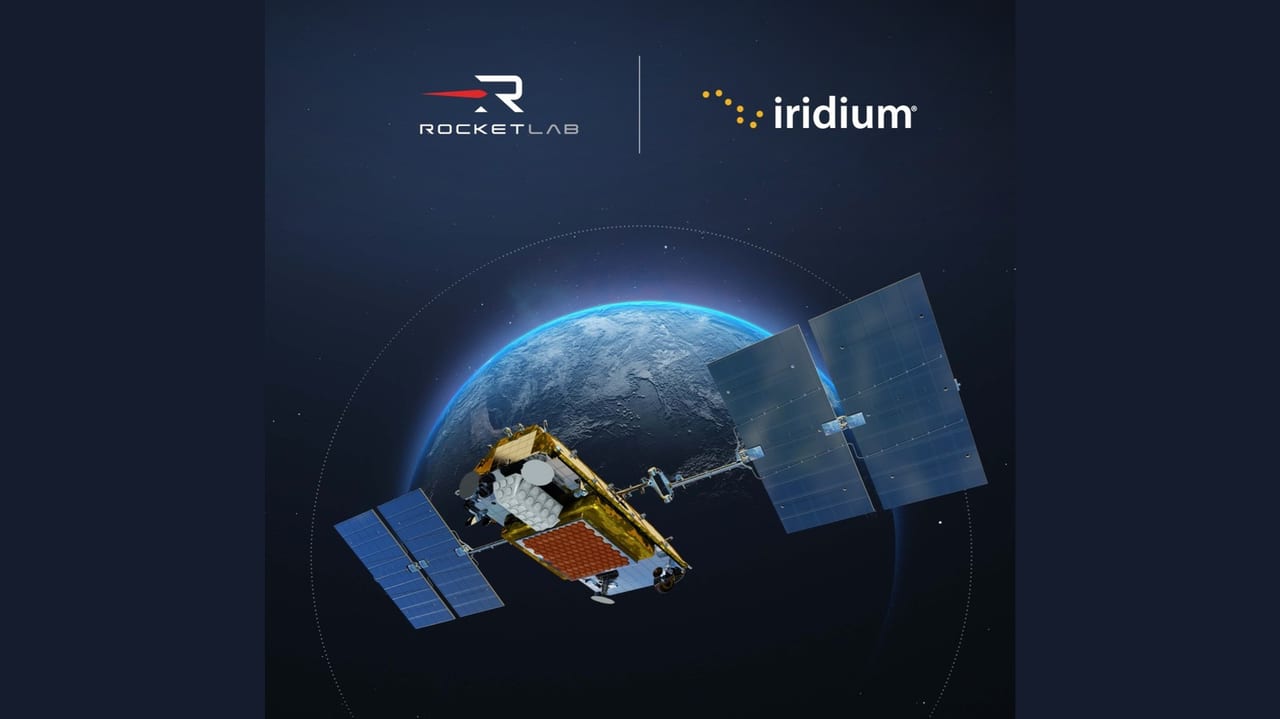
Key facts
- Rocket Lab is acquiring Iridium Communications for $8 billion.
- The acquisition aims to enable Rocket Lab to compete with SpaceX's Starlink satellite internet network.
- Rocket Lab will gain control of Iridium's 80-satellite constellation and its wireless spectrum.
- The deal is part of a broader trend of consolidation in the space and satellite industry.
- Rocket Lab plans to invest in and expand Iridium's existing infrastructure to tap into new markets.
Rocket Lab announced its intention to acquire Iridium Communications for $8 billion, a move designed to establish its own satellite internet network and directly challenge SpaceX's Starlink. The acquisition is framed as a strategic shortcut for Rocket Lab to expand its capabilities in the burgeoning space-based services market.
Upon regulatory approval, Rocket Lab will gain ownership of Iridium's existing constellation of 80 satellites, which provide connectivity to remote locations, along with its valuable wireless spectrum. This move aligns with a broader industry trend where companies are seeking to secure capacity to compete in the satellite internet sector, following similar actions by Amazon with its Leo service and Globalstar.
Rocket Lab stated the deal will provide an immediate foothold in various space-based markets, including direct device communications, Internet of Things (IoT) networks, and global positioning, navigation, and timing (PNT) services. The company also anticipates benefits for its existing military satellite contracts. Despite Iridium's network not having seen significant growth recently, Rocket Lab has committed to investing in and expanding its infrastructure to tap into new markets and develop innovative space-based services for global customers. This acquisition follows Rocket Lab's recent purchases of space robotics company Motiv, laser communications provider Mynaric, and precision component manufacturer.
"Success will come from those who can bring new innovations to space quickly and sustain them over time as efficiently as possible," Desch said in a statement. "We’re excited about being able to accelerate the next generation of IoT, aviation, maritime, PNT, and national security capabilities, and pursue new innovative applications as part of Rocket Lab."