Key facts
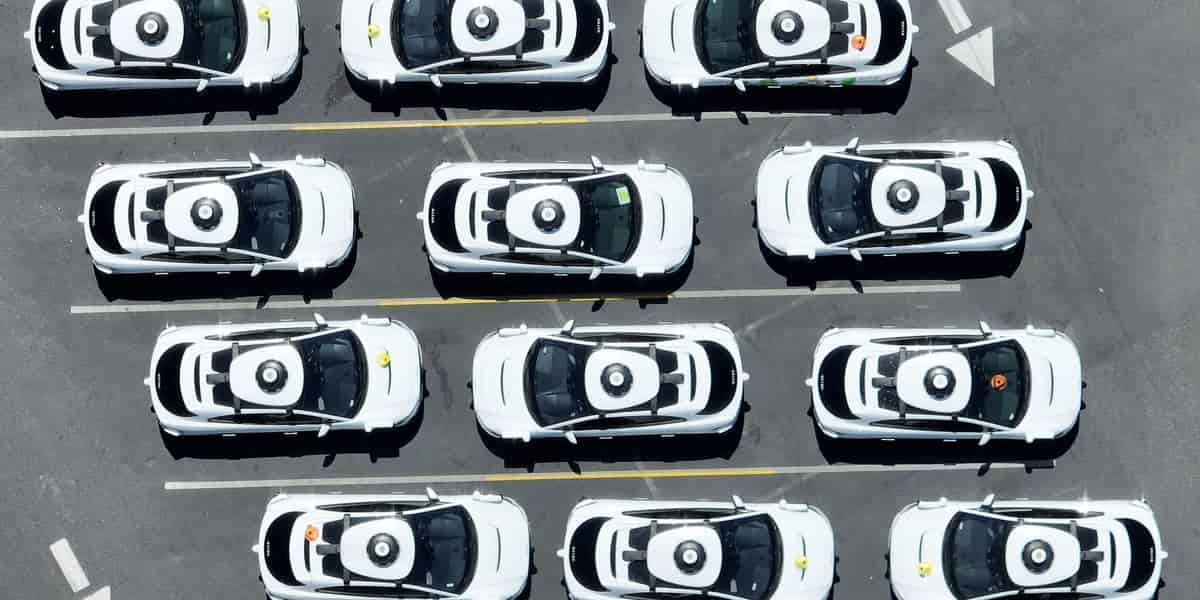
- Robotaxi companies Waymo and Zoox are expanding services and commercial operations.
- Waymo has opened its Dallas service to the public and plans a London launch.
- Zoox will begin charging for rides in Las Vegas.
- Tesla is expanding its Robotaxi service areas and offering limited unsupervised rides.
- Autonomous vehicles continue to face challenges with construction zones and emergency response.
- Regulators have documented issues with driverless AVs interfering with first responders.
Robotaxi companies are rapidly scaling their operations and introducing commercial services in new locations, but this expansion is also highlighting persistent challenges with autonomous driving systems. Waymo has opened its Dallas service to the public and plans a London launch by year-end, while Amazon-owned Zoox is beginning to charge for rides in Las Vegas. Tesla is also expanding its Robotaxi service areas.
Despite these advancements, autonomous vehicles are still encountering difficulties, particularly in complex urban environments. Experts like Phil Koopman, an AV safety expert, note that scaling up the number of vehicles inevitably leads to encountering more rare "edge cases." Waymo recently suspended and then restored freeway services after encountering issues with construction zones, demonstrating the ongoing need for software updates to address real-world problems.
Furthermore, autonomous vehicles have been observed obstructing emergency response scenes and becoming immobilized in heavy traffic, leading to calls for stricter regulations from officials like San Francisco Mayor Daniel Lurie. The National Highway Traffic Safety Administration (NHTSA) has also documented a "clear pattern" of driverless AVs interfering with law enforcement and first responders, raising questions about whether companies can fix problems as quickly as they arise.
Smaller quirks, such as the need for human safety monitors to intervene in traffic situations, also persist, though these may not always fall under the same public reporting frameworks as more serious safety incidents.