HomeEverythingEducation
Equities & FundsCrypto & Digital AssetsAI & TechnologyBusiness & CorporateUS Politics & PolicyGeopolitics & Global RiskMacro, Rates & FXCommodities & EnergyEuropean Politics & MarketsAsia-PacificReal Estate & Property
Story archiveAll categories
← All Stories

Oncologists share home cleaning tips to reduce chemical exposure

Created at 3 Jun · 8:29 PM1 source↑ Market-relevant
IN SHORT

Four oncologists shared practical changes they implement in their homes to reduce daily exposure to chemicals, pollutants, and carcinogens. They advise against heating food in plastic, using back burners for better ventilation, regularly replacing air purifier filters, and banning candles and artificial air fresheners. Testing and filtering tap water is also recommended.

✉Newsletter

PiQ Daily

Pick your topics. Get only what matters, on your cadence.

Key Numbers

eightchanges oncologists made to reduce exposure
fouroncologists interviewed

Who's Involved

Dr. Michael Dominello
Radiation oncologist at Karmanos Cancer Institute
Dr. Andrea Tufano-Sugarman
Gynecologic medical oncologist at Memorial Sloan Kettering Cancer Center
Dr. Nikki Wood
Pediatric hematologist-oncologist at Children's Mercy Kansas City
Dr. Omar Shakeel
Pediatric oncologist leading Survivorship Clinic at Texas Children's Hospital
Oncologists share home cleaning tips to reduce chemical exposure

↳ Why This Matters

Reducing exposure to household chemicals and carcinogens can contribute to better overall health and potentially lower the risk of developing serious illnesses like cancer.

Key facts

  • Oncologists recommend reducing exposure to chemicals and carcinogens in homes.
  • They advise against heating food in plastic containers.
  • Using back burners on stoves can improve ventilation effectiveness.
  • Regularly replacing air purifier filters is crucial for effectiveness.
  • Banning candles and artificial air fresheners is suggested to improve air quality.
  • Testing and filtering tap water is recommended for safety.

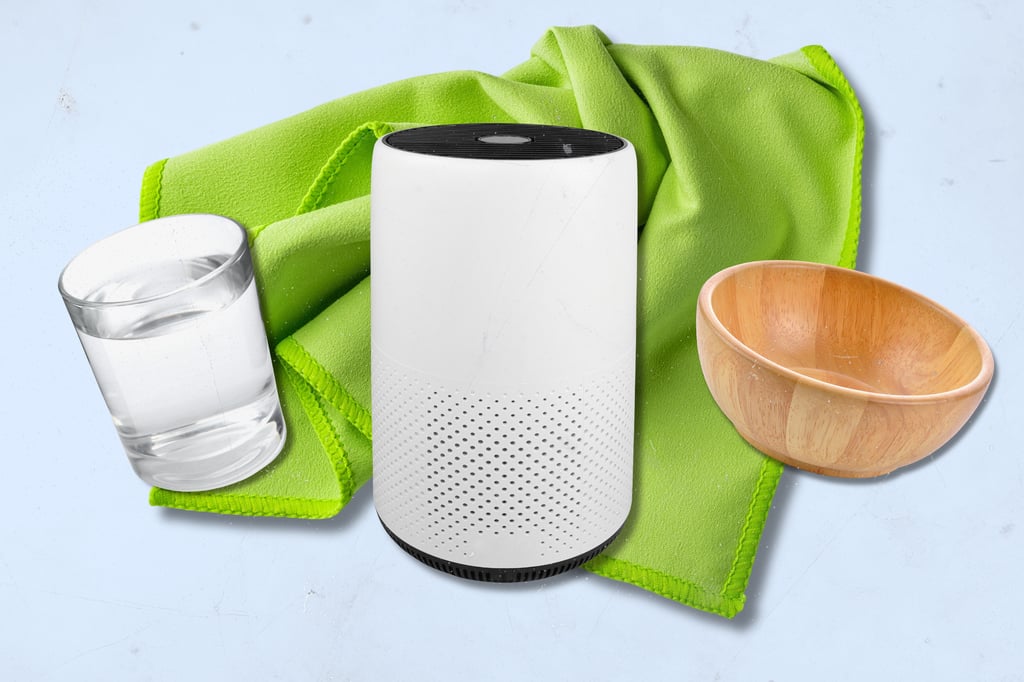
Four oncologists shared practical changes they implement in their homes to reduce daily exposure to chemicals, pollutants, and carcinogens, aiming to improve overall health. Dr. Andrea Tufano-Sugarman and Dr. Nikki Wood avoid heating food in plastic, opting for glass food storage and wood or cast iron cookware. Wood specifically noted the risk of microplastic ingestion from takeout containers. Wood also highlighted the importance of proper kitchen ventilation, suggesting cooking on back burners to maximize the effectiveness of range hoods that vent outdoors. Dr. Omar Shakeel emphasized the benefits of HEPA air purifiers, recommending placement in high-traffic areas and consistent filter replacement, with Wood using an auto-ship service for filters. Wood also advocates for banning candles and artificial air fresheners due to the release of chemicals into the air, and suggests parking new furniture or mattresses outside to allow for initial off-gassing. For home renovations, using low-VOC paint and ensuring good ventilation is advised. Regarding tap water, Dr. Michael Dominello suggests testing water quality and using filters, ranging from simple Brita filters to more advanced reverse osmosis systems, to remove contaminants like heavy metals and chemicals. Shakeel uses a reverse osmosis system and carbon filters for drinking water.

Frequently asked questions

Heating plastic can cause it to release small amounts of chemicals, including endocrine disruptors, into food, which may interfere with the body's hormone systems and are linked to various health concerns.

Using a range hood that vents outdoors is recommended. Cooking on back burners can also be more effective as the hood's intake is typically located at the rear. Opening a window on days with good outdoor air quality can also help.

Air purifiers with HEPA filters can trap fine particulates like PM2.5, which can lodge deep in the lungs and cause damage. Studies suggest they may help reduce hospitalizations for respiratory infections.

Combustible materials like candle wicks and electric fresheners release chemicals into the air when burned or used, degrading air quality and potentially triggering asthma, headaches, skin irritation, and hormone disruption.

Get the newsletter.

Pick the topics you actually care about. We'll email when there's news worth your time, on the cadence you choose. Cancel any time from your account.

Cadence

How It Developed

3 Jun · 7:36 PM
Oncologists recommend reducing indoor chemical and pollutant exposure by making conscious choices about home environments, sleep, diet, and products.
TIME via PiQSuite

Sources

T1
How to Clean Your House Like an Oncologistm.piqsuite.com

Related Stories

Google's SynthID debunks AI-generated Mitch McConnell hoax image
8 Jul · 8:45 PM
Lawsuit: Grok user created 7K child sex images; xAI accused of obstructing probe
8 Jul · 8:05 PM
Artemis II astronauts reunite with Orion spacecraft
8 Jul · 7:50 PM
Google revamps Android AI dev benchmark, adds Fable 5 and other agents
8 Jul · 4:45 PM
Startup General Intuition aims for robotics' 'ChatGPT moment' with foundation models
8 Jul · 7:40 PM