HomeEverythingEducationTV
Equities & FundsCrypto & Digital AssetsAI & TechnologyBusiness & CorporateUS Politics & PolicyGeopolitics & Global RiskMacro, Rates & FXCommodities & EnergyEuropean Politics & MarketsAsia-PacificReal Estate & Property
Story archiveAll categories
← All Stories

Japan maglev project faces calls to clarify timeline after decade of delays

Created at 16 Jul · 5:26 PM1 source↑ Market-relevant
IN SHORT

Japan's maglev train project has received approval to proceed after a decade of delays, but municipalities along the route are now seeking clarity on the completion timeline and economic benefits.

✉Newsletter

PiQ Daily

Pick your topics. Get only what matters, on your cadence.

Key Numbers

40 minutesTokyo-Nagoya travel time
500 kilometers an hourmaglev train speed
90 percentline running through tunnels
67 minutesTokyo-Osaka travel time (eventual)
18.6 trillion yenestimated economic impact
$114 billionestimated economic impact (USD)
2027original planned opening year
2024year Suzuki Yasutomo elected governor
¥11 trilliontotal construction cost
$67.7 billiontotal construction cost (USD)

Who's Involved

Central Japan Railway Company (JR Central)
Developer of the Linear Chuo Shinkansen maglev line
Suzuki Yasutomo
Shizuoka Governor who approved construction
Kawakatsu Heita
Former Shizuoka Governor who blocked construction
Kishida Hiroyuki
Head of Shizuoka Chamber of Commerce and Industry
Aoshima Takashi
Sake brewer concerned about water impact
Japan maglev project faces calls to clarify timeline after decade of delays

↳ Why This Matters

The approval of Japan's maglev project marks a significant step towards next-generation transportation, promising to boost economic activity and provide a vital alternative to the earthquake-vulnerable Shinkansen. However, the project's substantial costs and lingering environmental concerns highlight the complex balance between infrastructure development and ecological preservation.

Key facts

  • Japan's Linear Chuo Shinkansen maglev train project has received approval to begin construction in Shizuoka Prefecture.
  • The project faced a decade-long delay due to environmental concerns, primarily regarding the Oi River's water flow.
  • The first phase will connect Tokyo and Nagoya, reducing travel time to 40 minutes.
  • The total construction cost is estimated at ¥11 trillion (approximately $67.7 billion).
  • Municipalities along the route are requesting a clear timeline for completion and expected economic benefits.

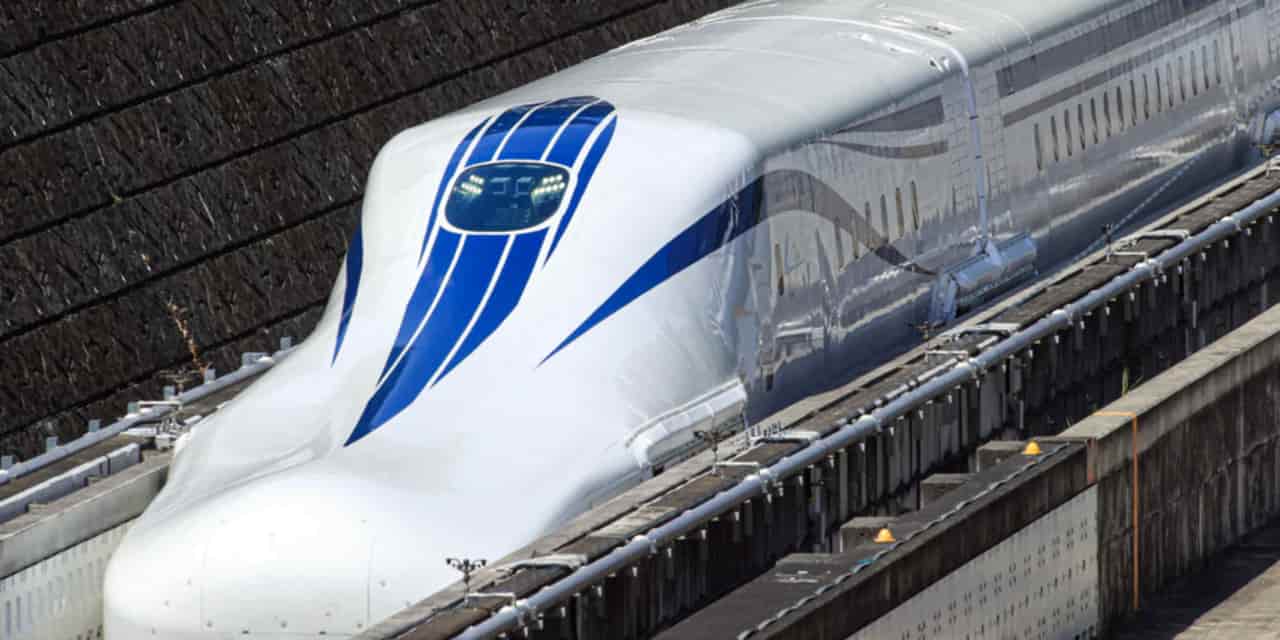
Japan's ambitious Linear Chuo Shinkansen maglev train project is set to move forward after Shizuoka Governor Yasutomo Suzuki granted approval for construction in his prefecture, ending a nine-year deadlock. The project, which aims to connect Tokyo and Nagoya in as little as 40 minutes, had been stalled due to environmental concerns raised by the previous governor, Heita Kawakatsu, primarily over the potential impact on the Oi River's water flow.

JR Central, the project's developer, has pledged compensation for any negative effects on water resources and committed to increasing the number of Shinkansen trains stopping in Shizuoka Prefecture. This agreement, expected to be formalized with an environmental preservation accord, paves the way for construction to commence on the most challenging section of the line linking Tokyo's Shinagawa Station and Nagoya Station.

Despite the green light, the project still faces significant hurdles, including substantial construction costs estimated at ¥11 trillion (approximately $67.7 billion). Municipalities along the planned route are now urging JR Central to clarify the project's timeline and outline the anticipated economic benefits. While business leaders in Shizuoka have welcomed the increased Shinkansen services, some residents, like sake brewer Aoshima Takashi, remain concerned about long-term environmental impacts and water quality.

Frequently asked questions

It is a high-speed maglev train line planned to connect Tokyo and Nagoya, eventually extending to Osaka, using magnetic levitation technology to achieve speeds of up to 500 kilometers per hour.

The project faced a nine-year delay primarily due to opposition from Shizuoka Prefecture over concerns that construction could significantly reduce the flow of the Oi River.

The line is expected to cut the Tokyo-Nagoya journey from 90 minutes to 40 minutes, provide an alternative to the Shinkansen, and generate an estimated economic impact of at least 18.6 trillion yen.

Key challenges include soaring construction costs, estimated at ¥11 trillion (about $67.7 billion), and ongoing concerns from some residents about environmental impacts.

What Happens Next

01Shizuoka Governor Suzuki will sign an environment preservation agreement with JR Central.
02Construction is expected to begin on the Shizuoka section of the maglev line.
03Municipalities will seek clarification on the project's completion timeline and economic impact.

Get the newsletter.

Pick the topics you actually care about. We'll email when there's news worth your time, on the cadence you choose. Cancel any time from your account.

Cadence

How It Developed

Japan's maglev train project received approval to proceed after a decade of delays.
Municipalities along the planned route are seeking clarity on the project's completion timeline.
The first phase of the Linear Chuo Shinkansen line will connect Tokyo and Nagoya.
The project faced opposition in Shizuoka Prefecture due to concerns about reducing the flow of the Oi River.
Shizuoka Governor Suzuki Yasutomo agreed to the start of construction, breaking a nine-year deadlock.
JR Central promised compensation for potential impacts on water resources and increased Shinkansen services to the prefecture.
The project faces challenges including soaring construction costs, estimated at ¥11 trillion (about $67.7 billion).

Sources

T1
Japan maglev project faces calls to clarify timeline after decade of delaysNikkei Asia
T2
Despite the green light, challenges lie ahead for Japan's ...japantimes.co.jp
T2
Japan's ultra-high-speed "Linear" maglev train gets green light after decade of delays | NHK WORLD-JAPAN Newswww3.nhk.or.jp

Related Stories

India's AI Ambitions Fuel Data Center Boom in Visakhapatnam Amidst Resource Concerns
16 Jul · 5:31 AM
Sony chairman: AI amplifies human creativity, not replaces it
16 Jul · 4:51 AM
New LEO satellites promise GPS-like navigation with stronger signals
16 Jul · 11:06 AM
Anthropic Advances IPO Preparations with Investor Meetings
16 Jul · 12:36 PM
TSMC to invest $100B more in US AI chip facilities, total $265B
16 Jul · 6:36 AM