All NewsEducationTV
Equities & FundsCrypto & Digital AssetsAI & TechnologyBusiness & CorporateUS Politics & PolicyGeopolitics & Global RiskMacro, Rates & FXCommodities & EnergyEuropean Politics & MarketsAsia-PacificReal Estate & Property
Story archiveAll categories
← All Stories

ispace taps Japan's H3 rocket for 2028 moon landing mission

Created at 29 Jul · 5:56 PM1 source↑ Market-relevant
IN SHORT

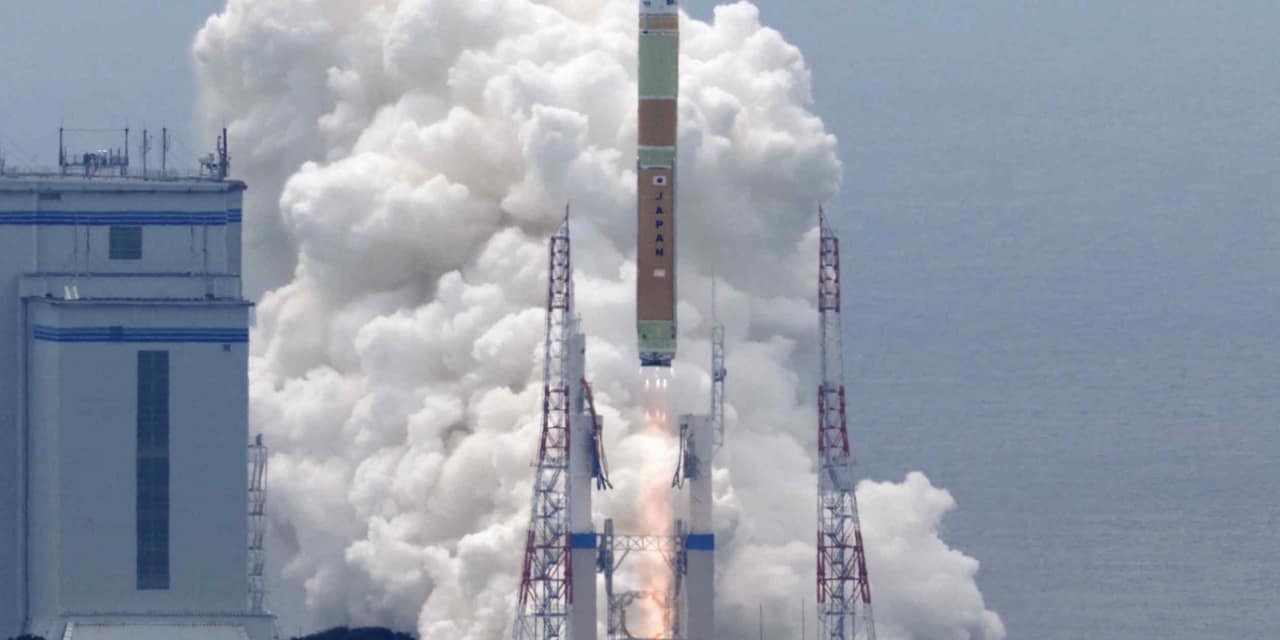
Japanese space startup ispace will use the country's H3 heavy-lift rocket for its 2028 lunar lander mission, marking the first time a domestic launch vehicle will be used for such a purpose. The company aims to build a privately-led lunar transportation system with this 'All-Japan' framework.

✉Newsletter

PiQ Daily

Pick your topics. Get only what matters, on your cadence.

Key Numbers

2028year of ispace's next moon landing mission
200 kilogramspayload capacity of the 'ULTRA' lander
seven timespayload capacity increase over predecessor
8H3 rocket launches to date
2H3 rocket failures to date
2030earliest launch year for SpaceX Starship mission

Who's Involved

ispace
Japanese space startup using H3 rocket for 2028 moon landing
Mitsubishi Heavy Industries
Manufacturer of Japan's H3 rocket, contracted by ispace
Takeshi Hakamada
CEO of ispace, emphasizing Japanese advantage and national security
Iwao Igarashi
VP at MHI, discussing infrastructure scheme for Japan's space industry
Ryo Ujiie
CTO of ispace, citing H3 rocket's capacity and flexibility
Japan's Ministry of Economy, Trade and Industry
Providing subsidies for ispace's lander development
JAXA
Co-developer of the H3 heavy-lift launch vehicle
ispace taps Japan's H3 rocket for 2028 moon landing mission

↳ Why This Matters

This strategic shift by ispace leverages domestic technology for its lunar ambitions, potentially fostering a new ecosystem within Japan's space industry and enhancing national security. It also represents a significant milestone for Mitsubishi Heavy Industries in expanding commercial orders for the H3 rocket.

Key facts

  • ispace will use Japan's H3 rocket for its 2028 lunar lander mission.
  • The company signed a contract with Mitsubishi Heavy Industries for the launch.
  • This marks the first time a Japanese startup will launch a payload on the H3 rocket.
  • The new 'ULTRA' lander has a payload capacity of up to 200 kilograms.
  • ispace's previous lunar missions utilized SpaceX's Falcon 9 rockets.
  • ispace will also deploy a rover on a SpaceX Starship mission in 2030.

Japan's ispace is set to utilize the nation's H3 heavy-lift rocket for its 2028 lunar lander mission, a significant shift from its previous reliance on SpaceX's Falcon 9. This decision marks the first time a Japanese startup will launch a payload on the H3, aiming to establish Japan's first privately-led lunar transportation system.

The agreement between ispace and Mitsubishi Heavy Industries, the H3's manufacturer, underscores a strategic move towards an 'All-Japan' framework. The new lander, dubbed 'ULTRA,' boasts a significantly increased payload capacity of up to 200 kilograms, seven times that of its predecessors, enabling the delivery of larger cargo and observation equipment.

While the H3 rocket has faced reliability challenges with two failures in eight launches, ispace's CEO Takeshi Hakamada expressed confidence in its suitability, citing factors beyond just national pride, including the rocket's capacity and loading flexibility. The yen's depreciation also makes dollar-denominated launches like SpaceX's more expensive for Japanese companies.

Despite the switch to the H3 for its third mission, ispace is not severing ties with SpaceX. The company has announced plans to send a Mobile Cargo System rover to the moon on a SpaceX Starship mission no earlier than 2030. Lessons learned from previous landing failures, attributed to issues with altitude recognition and velocity control, have led to improvements in the new lander's control systems, aiming to enhance overall mission reliability.

Frequently asked questions

ispace is switching to the H3 rocket to create Japan's first privately-led lunar transportation system using domestic technology. The depreciation of the yen also makes dollar-denominated launches more expensive.

The 'ULTRA' lander has a payload capacity of up to 200 kilograms, which is approximately seven times that of its predecessor, allowing it to deliver larger cargo and observation equipment.

The H3 rocket has experienced two failures in its eight launches to date. However, ispace has expressed confidence in its reliability for the upcoming mission.

Yes, ispace has announced plans to send a Mobile Cargo System rover to the moon on a SpaceX Starship mission no earlier than 2030.

What Happens Next

01ispace to launch its 'ULTRA' lander on an H3 rocket in 2028.
02ispace and MHI to explore further collaboration on lunar infrastructure development.
03ispace to send a Mobile Cargo System rover on a SpaceX Starship mission no earlier than 2030.

Get the newsletter.

Pick the topics you actually care about. We'll email when there's news worth your time, on the cadence you choose. Cancel any time from your account.

Cadence

How It Developed

ispace selected the H3 rocket for its 2028 lunar lander mission.
The company signed a contract with Mitsubishi Heavy Industries for the launch.
This mission will be ispace's first to use a Japan-made launch vehicle.
The new lander, 'ULTRA,' has a payload capacity of up to 200 kilograms.
The H3 rocket has experienced two failures in its eight launches to date.
ispace will also send a Mobile Cargo System rover to the moon on a SpaceX Starship mission no earlier than 2030.

Sources

T1
Japan's ispace bets on H3 rocket instead of SpaceX's Falcon 9 for moon landingNikkei Asia
T2
ispace Taps Japan's H3 Rocket for 2028 Moon Landing, Betting on ...finance.biggo.com
T2
H3 to launch next ispace lunar lander mission - SpaceNewsspacenews.com
T2
Japan's First All-Domestic Moon Mission Locks In H3 Rocket for ULTRA Landertechtimes.com

Related Stories

Nissan, Denso Explore Quantum Computing Applications
29 Jul · 4:46 PM
Chinese AI start-up Moonshot seeks ambassadors to expand Kimi's global reach
29 Jul · 9:36 AM
Android Creator Andy Rubin Launches Genki Robotics in Tokyo
29 Jul · 4:11 AM
US pushes AI adoption in Southeast Asia's public sector
29 Jul · 1:36 AM
EU Charter to speed up innovation access for startups
29 Jul · 9:21 AM