Key facts
- Google's $15 billion data centre project in Visakhapatnam, India, is facing environmental opposition.
- Activists are concerned about the project's impact on water supplies and proximity to a wildlife sanctuary.
- Legal challenges have been filed against the project in the Andhra Pradesh High Court.
- The state government denies environmental risks and states it is open to feedback.
- Google plans to use advanced air cooling and sound-dampening measures.
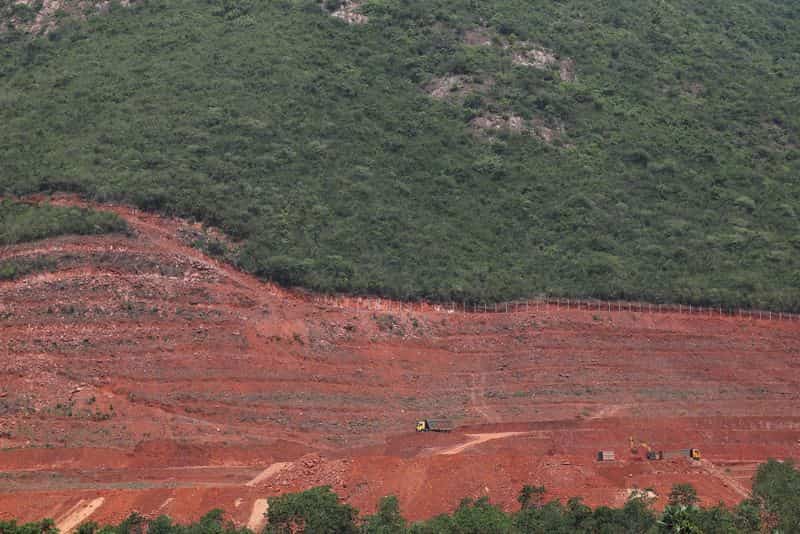
Google's significant $15 billion investment in an Indian data centre hub is facing mounting opposition from environmentalists concerned about its impact on local water supplies and wildlife. Construction is underway in Visakhapatnam, southern India, but activists have organized protests and filed legal challenges, citing the city's already stressed water resources and the project's proximity to the Kambalakonda Wildlife Sanctuary.
The state government of Andhra Pradesh, an ally of Prime Minister Narendra Modi, has defended the project, denying allegations of inadequate environmental assessment and stating its openness to feedback and redressal. The government asserts that water for the data centres will not be sourced from rural or residential supplies. Google has stated its commitment to complying with laws and implementing advanced air cooling technology to minimize water usage and sound-dampening measures to mitigate noise pollution.
Activists, however, remain skeptical, pointing to the government's promise of guaranteed water supplies for 20 years despite existing shortages. The project, which is being built in partnership with Gautam Adani's group and is expected to create numerous jobs, is now a focal point for debates on balancing development with environmental sustainability in India.