HomeEverythingEducationTV
Equities & FundsCrypto & Digital AssetsAI & TechnologyBusiness & CorporateUS Politics & PolicyGeopolitics & Global RiskMacro, Rates & FXCommodities & EnergyEuropean Politics & MarketsAsia-PacificReal Estate & Property
Story archiveAll categories
← All Stories

Former Intel CEO blames 'business people' for chipmaker's decline

Created at 16 Jul · 7:11 PM1 source↑ Market-relevant
IN SHORT

Pat Gelsinger, former CEO of Intel, stated that the company's decline began when it was led by individuals without technical backgrounds. He returned in 2021 as the first technical leader in 15 years, criticizing predecessors like Paul Otellini, Brian Krzanich, and Bob Swan for their business or financial focus.

✉Newsletter

PiQ Daily

Pick your topics. Get only what matters, on your cadence.

Key Numbers

15 yearstime since last technical leader at Intel
2021year Gelsinger returned to Intel
$79 billionreturned to shareholders 2015-2020
10%US government stake in Intel
$5 billionNvidia investment in Intel
4%Nvidia's stake in Intel
330%Intel share price increase over past year
90 daystime for a fab to restart after shutdown

Who's Involved

Pat Gelsinger
Former Intel CEO and current technical leader
Jason Calacanis
Cohost of 'All-In Podcast'
Paul Otellini
Former Intel CEO (2005-2013), first non-engineer leader
Brian Krzanich
Former Intel CEO, degree in chemistry
Bob Swan
Final executive before Gelsinger, former CFO of eBay and HP Enterprise Services
TSMC
Competitor that surpassed Intel
Samsung
Competitor that surpassed Intel
ARM
Competitor that surpassed Intel
Advanced Micro Devices (AMD)
Competitor that surpassed Intel
Donald Trump
US President who initiated government stake in Intel
Nvidia
Competitor that bought shares in Intel
Former Intel CEO blames 'business people' for chipmaker's decline

↳ Why This Matters

The commentary from a former Intel CEO provides insight into the internal strategic decisions and leadership philosophies that may have contributed to the chipmaker's past struggles and subsequent efforts to regain its footing in a competitive technological landscape.

Key facts

  • Former Intel CEO Pat Gelsinger believes the company's decline started when business-oriented leaders took over.
  • Gelsinger returned to Intel in 2021, noting he was the first technical leader in 15 years.
  • He cited Paul Otellini, Brian Krzanich, and Bob Swan as predecessors with business or financial backgrounds.
  • Intel returned approximately $79 billion to shareholders via buybacks and dividends between 2015 and 2020.
  • Intel's market position has improved recently, influenced by US government and Nvidia investments.
  • Gelsinger highlighted the severe economic consequences if China disrupted energy to Taiwan.

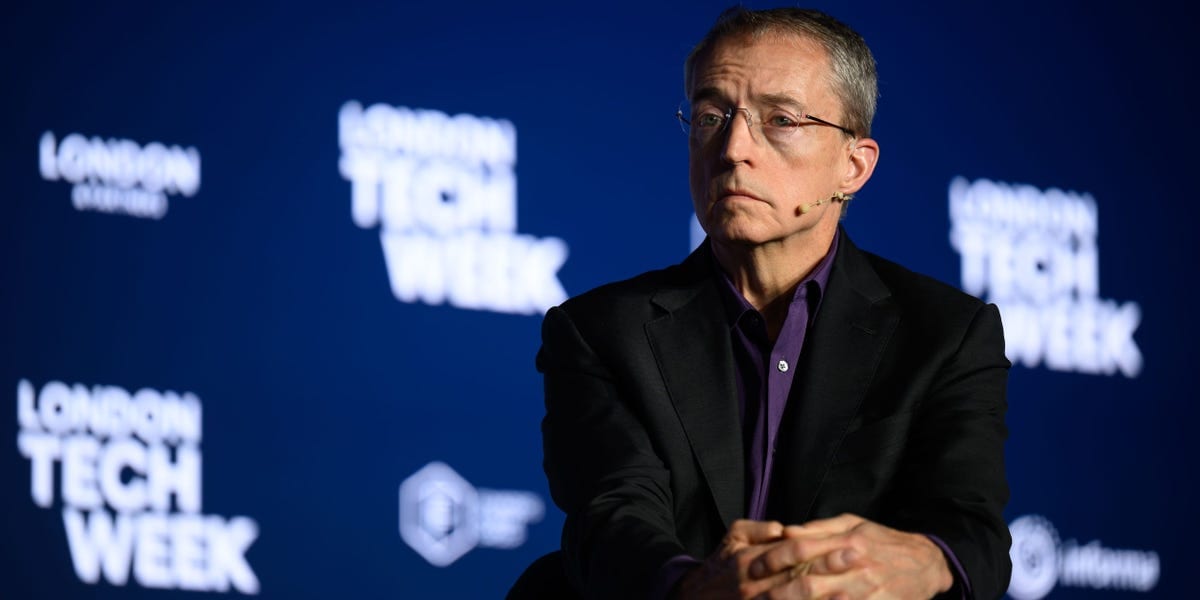
Former Intel CEO Pat Gelsinger has stated that the chipmaker began to falter when its leadership shifted from technical experts to individuals with business backgrounds. In an interview, Gelsinger explained that critical, multi-billion dollar technical decisions cannot be made effectively through spreadsheets, emphasizing the need for deep technical understanding.

Gelsinger, who returned to Intel in 2021, noted he was the first technical leader to head the company in approximately 15 years. He pointed to his predecessors, including Paul Otellini (CEO 2005-2013), Brian Krzanich, and Bob Swan, as examples of leaders who lacked engineering or technical expertise, with Otellini being the first non-engineer to lead the company.

He also criticized Intel's financial strategy prior to his tenure, highlighting the roughly $79 billion returned to shareholders through stock buybacks and dividends between 2015 and 2020, suggesting that capital could have been better utilized for the company's balance sheet.

Intel, once a dominant force, saw its position erode with the rise of competitors like TSMC, Samsung, ARM, and AMD. However, the company's standing has seen significant improvement over the past year, bolstered by a controversial decision by President Donald Trump for the US government to acquire a roughly 10% stake and a $5 billion investment from Nvidia, which now holds about a 4% stake. These developments have contributed to a more than 330% rise in Intel's share price over the last year, though recent trading has seen a dip amid broader AI market concerns.

Trump's investment aligns with a bipartisan effort in the US to bolster domestic advanced chip production, driven by concerns over the geopolitical vulnerability of TSMC's facilities in Taiwan. Gelsinger underscored these risks, warning that a disruption of energy to Taiwan, which China considers its territory, could have catastrophic economic consequences, estimating that restarting a fab takes 90 days and that a partial outage could be worse than the Great Depression.

Frequently asked questions

Pat Gelsinger returned to Intel in 2021.

Gelsinger criticized Paul Otellini, Brian Krzanich, and Bob Swan.

Intel returned approximately $79 billion to shareholders through stock buybacks and dividends during that period.

Nvidia's purchase of over $5 billion in Intel shares, giving it a roughly 4% stake, is seen as a positive development for Intel's market standing.

What Happens Next

01Intel continues to navigate the competitive semiconductor market.
02The company is expected to benefit from ongoing US government support for domestic chip production.

Get the newsletter.

Pick the topics you actually care about. We'll email when there's news worth your time, on the cadence you choose. Cancel any time from your account.

Cadence

How It Developed

Former Intel CEO Pat Gelsinger stated the chipmaker's downfall began when it was run by business people, not technical leaders.
Gelsinger returned to Intel in 2021 as the first technical leader in 15 years.
He criticized predecessors Paul Otellini, Brian Krzanich, and Bob Swan for their non-technical backgrounds.
Gelsinger also questioned Intel's spending on dividends and buybacks from 2015-2020, totaling $79 billion.
Intel's standing has improved recently, partly due to a US government stake and Nvidia's share purchase.
Gelsinger warned of the economic impact if China were to cut off energy to Taiwan.

Sources

T1
Former Intel CEO says the chipmaker went off the rails ‘when it started to be run by business people’Business Insider

Related Stories

AI Bubble Burst Odds Rise Amid Warnings from Ex-Fidelity Manager, IBM
16 Jul · 10:46 AM
AMI Labs CEO avoids AGI, superintelligence labels for AI
16 Jul · 3:21 PM
US can maintain AI lead despite China, Anthropic and Pax Silica architect say
16 Jul · 3:06 PM
Linus Torvalds on AI code in Linux: Fork it or walk away
16 Jul · 7:21 PM
Sheetz moves 838 stores off VMware due to Broadcom uncertainty
15 Jul · 9:46 PM